A growing power vacuum in Gaza is driving the emergence of rival armed groups seeking to establish control in areas under Israeli occupation, raising concerns about prolonged instability and the absence of a clear postwar governance framework.
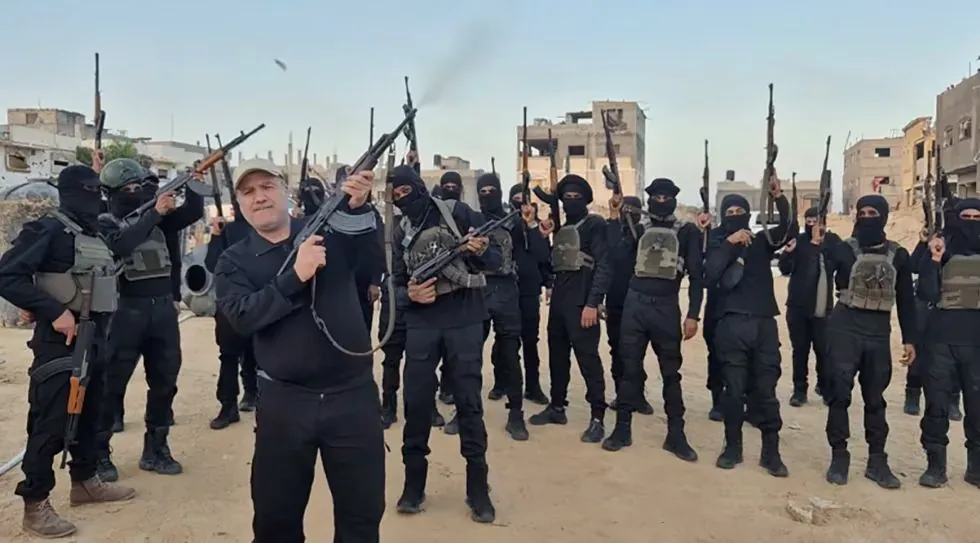
The Gaza power vacuum has become increasingly evident in eastern parts of the enclave, where Israeli forces maintain control and civilian presence remains limited. In these areas, small militias—some reportedly backed by Israel—are attempting to expand their influence while positioning themselves as future governing authorities should Hamas lose its grip on power.
Initial reports of targeted killings and localized clashes have evolved into a broader pattern of factional competition, underscoring the fragile security environment following the end of large-scale hostilities. The situation highlights the risk of a fragmented authority structure emerging in Gaza, with implications extending beyond the territory.

Fragmented Security Landscape Deepens
The emergence of multiple armed factions reflects a shift from centralized militant control toward a more fragmented security order. Groups operating in Israeli-controlled zones have moved from opportunistic activity during the conflict to more coordinated efforts aimed at consolidating territorial influence.
According to reporting by CNN, at least several factions are now active in eastern Gaza, operating with light weaponry and limited manpower while attempting to build local legitimacy. Their operations include targeted attacks against Hamas elements, signaling an internal power struggle within Palestinian factions.
Analysts note that while these groups remain relatively small, their presence complicates efforts to stabilize the region. The coexistence of competing armed actors increases the likelihood of sustained violence, particularly as Hamas continues to assert authority in more densely populated western areas.
Governance Ambitions Complicate Postwar Planning
Beyond immediate security concerns, these militias are actively positioning themselves as potential administrators in a post-conflict Gaza. Leaders of several factions have indicated ambitions to govern locally, including efforts to recruit civilians and establish basic services.
Some groups have reportedly offered financial incentives to attract members, while others claim coordination with broader Palestinian political structures. However, their capacity to govern effectively remains uncertain, given their limited resources and lack of widespread public support.
■ Related News


CNN reporting indicates that certain factions have received backing from Israeli authorities, though the extent and long-term strategy behind such support remain unclear. This dynamic introduces additional complexity to future governance arrangements and raises questions about legitimacy among Gaza’s population.
Risk of Internal Conflict Intensifies
The competition between militias and Hamas has heightened fears of an internal conflict within Gaza. Hamas, which continues to dominate much of the enclave, has reportedly intensified efforts to track and suppress rival groups perceived as collaborators or threats.
Incidents of violence, including executions of suspected collaborators, have been reported by multiple sources, contributing to a climate of fear among civilians. Rights observers warn that the proliferation of armed groups, combined with retaliatory actions, could push Gaza toward a broader internal confrontation.
Residents have expressed reluctance to move into areas controlled by these militias, citing security concerns and uncertainty about governance. The divide between Israeli-controlled and Hamas-controlled zones further entrenches this fragmentation, limiting mobility and complicating humanitarian access.
Strategic and Regional Implications Expand
The Gaza power vacuum carries significant implications for regional stability and international policy. Efforts to reconstruct the enclave and establish long-term governance are likely to be influenced by the evolving balance of power among local factions.
International stakeholders are closely monitoring developments, particularly as discussions around Gaza’s “day-after” scenario continue. Proposals to rebuild parts of the territory under alternative governance structures face challenges amid the lack of consensus on legitimate authority.
Analysts warn that without a coordinated political solution, the proliferation of militias could entrench instability, undermine reconstruction efforts, and create conditions for prolonged insecurity in the region.
Uncertain Path Toward Postwar Order
As Gaza navigates the aftermath of conflict, the absence of a unified governance plan remains a central challenge. The rise of armed factions competing for influence reflects both the weakening of centralized authority and the broader uncertainty surrounding the enclave’s future.
While some groups seek to establish themselves as viable alternatives, their limited capacity and contested legitimacy raise doubts about their long-term role. For now, the Gaza power vacuum continues to shape a volatile environment, with the risk that fragmentation could delay recovery and complicate diplomatic efforts.