South African authorities are investigating allegations that individuals linked to a prominent political family may have facilitated the recruitment of citizens to fight for Russia in Ukraine, raising broader concerns about cross-border enlistment networks and legal accountability.
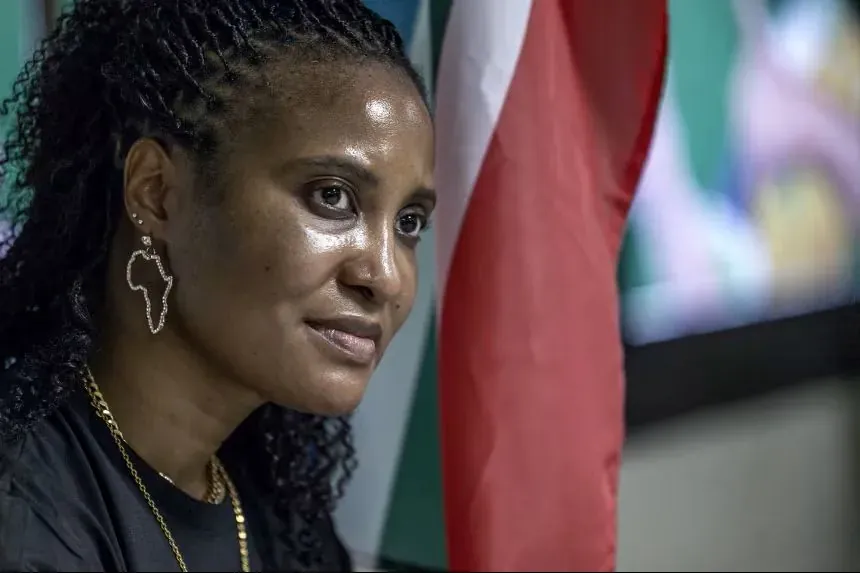
The South Africa Russia recruitment case centers on claims that Duduzile Zuma-Sambudla, daughter of former president Jacob Zuma, misled a group of men into joining what they believed were legitimate training programs, only to find themselves deployed in a war zone. The developments underscore growing international scrutiny over how foreign fighters are being drawn into the conflict.
According to reporting by CNN, the investigation began after 17 South African nationals were discovered to be in the Donetsk region, prompting distress calls to authorities. Officials have indicated the men may have been recruited under false pretenses, including promises of employment or training opportunities.

The allegations have intensified political and legal pressure in South Africa, where serving in a foreign military without government authorization is prohibited under national law.
Recruitment Networks Raise Legal and Diplomatic Concerns
The South Africa Russia recruitment issue reflects a broader pattern of foreign enlistment linked to the war in Ukraine. Analysts say recruitment efforts targeting African nationals have expanded as Russia seeks to offset personnel shortages during prolonged military operations.
Lawmakers and officials cited in CNN reporting suggest that recruits were initially approached with offers framed as professional development or security training, rather than direct combat roles. Upon arrival, some individuals reportedly lost contact with families, fueling concerns about coercion or exploitation.
Authorities are examining whether the case involves criminal offenses such as human trafficking, fraud, or illegal recruitment. The investigation could have diplomatic implications, particularly if state or non-state actors are found to be involved in facilitating cross-border enlistment.
Political Fallout Intensifies in South Africa
The allegations have triggered tensions within South Africa’s political landscape, particularly given the involvement of figures connected to former president Jacob Zuma. Duduzile Zuma-Sambudla, who recently stepped down from a parliamentary role, faces multiple legal challenges, including separate charges related to public violence.
■ Related News
Opposition figures have called for a full inquiry, citing testimonies from families who claim their relatives were misled about the nature of the work. According to statements reported by CNN, some recruits were promised civilian roles but later found themselves integrated into military operations.
Zuma-Sambudla has denied intentionally recruiting individuals for combat, stating in an affidavit that she believed the program to be legitimate and non-combat in nature. She has indicated willingness to cooperate with investigators.
Regional Pattern of Recruitment Emerges
The case in South Africa mirrors similar developments across Africa, where authorities in countries such as Kenya have also reported cases of nationals being recruited into the conflict. Officials in those countries have launched efforts to locate and repatriate citizens believed to be involved.
Data cited by international officials suggests that individuals from multiple African countries have joined Russian forces, often through informal or opaque recruitment channels. Experts point to social media platforms as key tools used by recruiters to advertise opportunities, sometimes without clearly disclosing the risks involved.
Legal scholars warn that such practices may exploit economic vulnerabilities, particularly among young men seeking employment abroad. The lack of transparency surrounding contracts and deployment conditions has raised concerns about potential violations of international law.
Strategic Implications for the Ukraine Conflict
The involvement of foreign recruits adds another layer of complexity to the war in Ukraine, which has already drawn international attention due to its geopolitical stakes. Efforts by Russia to supplement its forces through external recruitment could influence both battlefield dynamics and diplomatic relations.
Western intelligence estimates cited in CNN reporting suggest significant casualties among Russian forces, potentially driving the search for additional manpower. Meanwhile, Ukrainian officials have publicly warned about the risks faced by foreign recruits, including limited training and high casualty rates.
The issue also intersects with broader international efforts to regulate foreign fighters, a longstanding challenge in global security policy.
Uncertainty Surrounds Accountability and Oversight
As investigations continue, questions remain about the extent of organized recruitment networks and the degree of oversight by state authorities. South African officials have emphasized the need to determine whether the case represents isolated misconduct or part of a wider system.
The outcome of the inquiry could set a precedent for how countries address similar cases involving citizens drawn into foreign conflicts. It may also shape future cooperation between governments seeking to curb unauthorized recruitment and protect nationals from exploitation.
For now, the South Africa Russia recruitment controversy highlights the evolving global dimensions of the Ukraine war, where local actors, international networks, and geopolitical pressures intersect with significant human consequences.