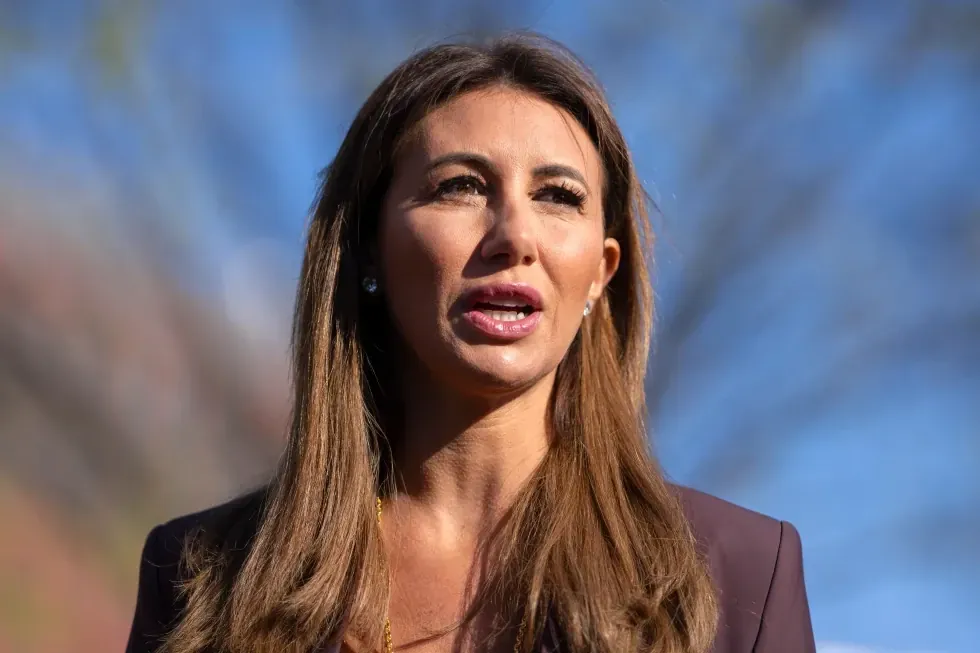
Alina Habba has stepped down as New Jersey’s top federal prosecutor after a federal appeals court ruled she was not lawfully serving in the role. The decision ends weeks of legal wrangling over her temporary appointment and adds to a growing dispute between the Trump administration and the federal judiciary over interim U.S. attorney posts.
In a statement on social media, Habba called the ruling political. She said she would resign “to protect the stability and integrity” of the office. At the same time, she stressed that the administration would continue its appeal and that her compliance should not be read as surrender.
Her exit draws attention to the limits of temporary federal appointments and to the Senate’s power to confirm U.S. attorneys. Those posts carry broad authority over federal criminal and civil enforcement.

Temporary appointment at the center of dispute
Habba, 41, took office in March as acting U.S. attorney for the District of New Jersey. The position oversees major federal prosecutions and represents the government in civil cases.
Federal law allows the attorney general or district judges to appoint interim U.S. attorneys for limited periods when no Senate-confirmed nominee is in place. New Jersey’s two Democratic senators signaled they would oppose her confirmation, blocking a permanent appointment under long-standing Senate practice.
Earlier this month, the U.S. Court of Appeals for the Third Circuit ruled that Habba could not continue in the role. The court wrote that New Jersey residents and career staff in the office “deserve some clarity and stability.”
The legal fight created uncertainty in the state’s federal courts. Lawyers questioned whether prosecutions filed during her tenure might face challenges. No broad dismissals have been reported in New Jersey, but similar disputes elsewhere have disrupted pending cases.
Political profile and legal background
Before joining the Justice Department, Habba worked as a partner at a small New Jersey law firm. She became one of President Donald Trump’s most visible legal defenders. She represented him in civil cases and appeared frequently on cable news programs.


Critics pointed to her lack of prosecutorial experience and described her appointment as political. During her tenure, she filed a trespassing charge against Newark’s mayor linked to a visit to an immigration detention center; prosecutors later dropped that charge. She also charged Democratic Representative LaMonica McIver with assaulting a federal agent during the same incident. McIver denies wrongdoing, and the case remains pending.
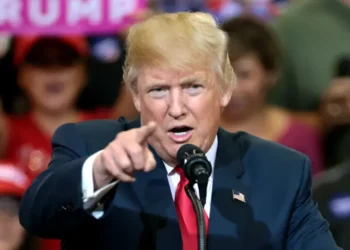
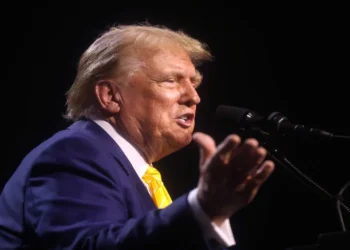
Speaking at the White House, Trump called the resignation a “sad situation.” He criticized Senate traditions that allow home-state senators to block nominees. He suggested the administration may continue relying on short-term appointments if confirmations stall.
Wider challenges to interim prosecutors
Habba’s case forms part of a broader pattern. Courts have questioned several acting U.S. attorneys appointed during Trump’s current term.
In eastern Virginia, a judge dismissed criminal cases against former FBI Director James Comey and New York Attorney General Letitia James. The judge ruled that the interim prosecutor who filed the charges lacked lawful authority. In Nevada and Southern California, federal judges also disqualified acting U.S. attorneys Sigal Chattah and Bill Essayli after finding they exceeded statutory time limits.
In northern New York, a federal judge recently heard arguments from Letitia James that the administration improperly appointed John Sarcone as acting U.S. attorney in that district.
Attorney General Pam Bondi said Habba will stay at the Justice Department as a senior adviser. Bondi vowed to challenge the court decisions and argued that judges should not override the president’s choices for federal prosecutors.
“These judges should not be able to countermand the President’s choice of attorneys entrusted with carrying out the executive branch’s core responsibility of prosecuting crime,” Bondi said.
Ongoing legal and institutional questions
The dispute highlights a narrow but important area of federal law. Presidents can fill vacancies with acting officials, but statutes set firm time limits. Courts can review whether those limits have been respected.
When judges find violations, active prosecutions may face delays or dismissal. That risk raises practical concerns for defendants, victims and career prosecutors alike. It also sharpens the constitutional debate over the balance of power among the White House, Congress and the judiciary.
For now, three Justice Department lawyers will divide Habba’s former duties in New Jersey. Appeals are still underway, and further rulings could follow.
Her resignation restores short-term clarity to the office. The broader contest over interim appointments, however, remains unresolved.
Source: AP News – Trump’s former lawyer Alina Habba resigns as top federal prosecutor in New Jersey