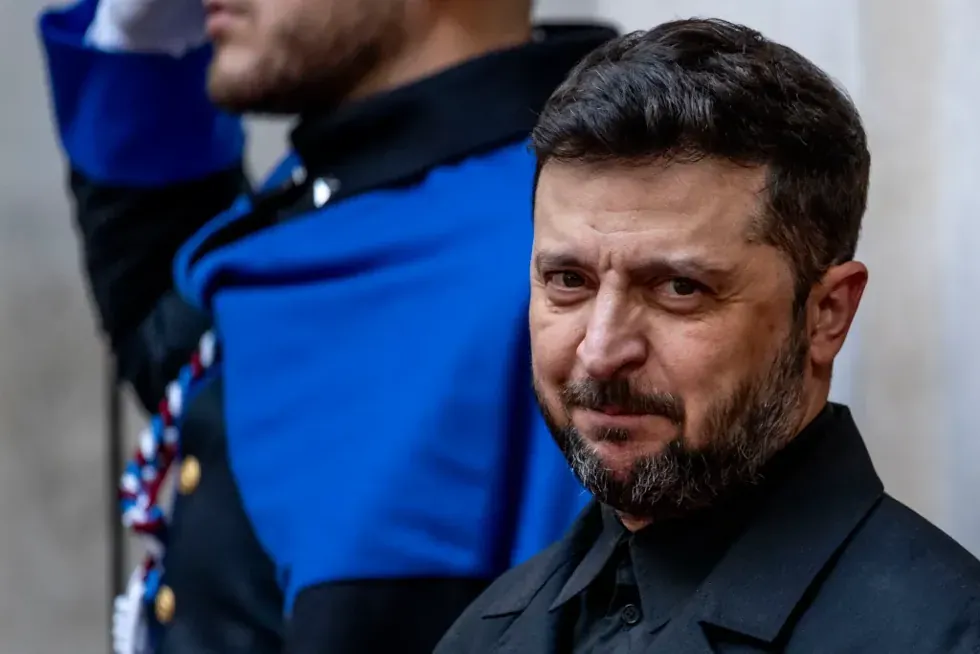
Ukraine has formally delivered its detailed response to a proposed U.S. peace framework aimed at ending the war with Russia, as President Donald Trump increases pressure on Kyiv to accept a 20-point plan that reportedly involves significant concessions. Ukrainian and U.S. officials confirmed that the response was transmitted on Wednesday following consultations with European allies.
The development comes at a delicate moment for Ukraine’s leadership. President Volodymyr Zelensky faces mounting diplomatic pressure from Washington, where Trump has signaled impatience for a breakthrough. Speaking earlier in the day, Trump said he was awaiting Kyiv’s reply, adding that “some people say it is closer than it has ever been.”
While the content of the plan has not been publicly released in full, officials familiar with the discussions describe it as an ambitious attempt to freeze or settle key aspects of the conflict. Kyiv’s response suggests that negotiations remain fluid, with important details still under discussion.

Ukrainian amendments seek workable compromise
According to officials briefed on the matter, Ukraine’s national security adviser and chief negotiator, Rustem Umerov, sent Kyiv’s point-by-point reply to Jared Kushner, a senior adviser to Trump. A Ukrainian official described the document as including comments and proposed amendments intended “to make the whole thing doable.”
The Ukrainian response was prepared after several days of consultations with key European partners, particularly the E3 — France, Germany and the United Kingdom. Those discussions focused on maintaining Western unity and ensuring that any potential settlement aligns with broader European security interests.
Officials say Kyiv’s reply includes new ideas addressing sensitive issues such as territorial control and the future status of the Zaporizhzhia nuclear power plant. The facility, Europe’s largest nuclear plant, has been at the center of international concern since it fell under Russian control early in the conflict, raising fears about nuclear safety and regional stability.
Ukraine has consistently maintained that its territorial integrity is non-negotiable under international law. However, officials acknowledge that any serious diplomatic process must grapple with realities on the ground, including contested regions in eastern and southern Ukraine.
Transatlantic coordination under strain
The submission of Ukraine’s response coincided with a call between Trump and leaders of the E3 countries. The conversation reportedly reflected tensions over elements of the U.S. proposal and how far Kyiv should go in making concessions.
■ Related News


After the call, Trump said discussions about Ukraine had been conducted in “pretty strong words,” adding that “we will see what happens.” He also noted that European leaders had suggested a potential meeting with him and Zelensky over the weekend somewhere in Europe. Trump said no final decision had been made and emphasized that he did not want to “waste our time.”
European governments have repeatedly stressed that any peace settlement must respect Ukraine’s sovereignty and conform to international law. France, Germany and the United Kingdom have coordinated closely with Kyiv throughout the war, providing military, financial and humanitarian support while backing diplomatic initiatives aimed at ending the conflict.
At the same time, differences have occasionally emerged between Washington and European capitals over the pace and parameters of negotiations. The current episode underscores the delicate balance between maintaining Western unity and responding to domestic political pressures in the United States.
Military-to-military talks expected
Despite political tensions, officials say technical discussions are set to continue. A Ukrainian official indicated that senior military representatives from the United States and Ukraine are expected to hold a virtual meeting on Thursday to review specific elements of the proposed peace plan.
Such military-to-military channels often address operational and security details that political leaders leave unresolved. These discussions may include arrangements related to ceasefire monitoring, demilitarized zones, or the security of critical infrastructure, though officials have not disclosed specifics.
For Kyiv, the challenge is twofold: preserving international backing while navigating an evolving U.S. political landscape. Zelensky’s government depends heavily on Western assistance, making the U.S. position particularly consequential.
For Washington, the plan represents an attempt to demonstrate progress toward ending a protracted war that has reshaped European security and strained global alliances. Whether the latest exchange of documents brings the sides closer to agreement remains uncertain.
What is clear is that negotiations have entered a more structured phase. With Ukraine’s formal response now in U.S. hands and further talks scheduled, the coming days are likely to determine whether the framework advances toward concrete negotiations or requires substantial revision.
Source: Axios – Ukraine officially responds to U.S. peace plan under pressure from Trump