KINSHASA, Democratic Republic of the Congo – The Democratic Republic of the Congo’s Bundibugyo virus outbreak has spread to North Ubangi, bringing the number of affected provinces to eight after authorities confirmed two cases, including one death, in the northwestern province bordering the Central African Republic.
The National Institute for Biomedical Research confirmed the two North Ubangi cases on October 18, according to Reuters. The patients were men in their 20s who lived in Wapinda health zone, near the border with Bas-Uele province, where Ebola cases had previously been reported.
The geographic expansion adds another area to the response effort. It does not, by itself, establish that transmission is equally intense across all affected provinces or that the virus has crossed into the Central African Republic.

National toll reached 9,415 cases by October 16
The latest national situation report cited by Reuters recorded 9,415 cases and 4,536 deaths through October 16. It also recorded 67 new confirmed cases and 26 new deaths in the 24 hours covered by that report. Those figures are a dated national snapshot and should not be treated as a live total for October 18 or later.
The outbreak was declared in mid-May and has become the deadliest Ebola outbreak recorded in the country, according to the Associated Press. Its spread has continued even as health officials have reported declines in some local clusters.
The distinction between falling case numbers in particular locations and the appearance of cases in new areas is important. Local transmission may ease in one health zone while infections are detected elsewhere, requiring health workers to maintain surveillance across a wider geographic area.
Ituri remains the main epicentre
The outbreak remains concentrated in eastern Congo, particularly Ituri province. The October 16 national situation report recorded 44 of the 67 new confirmed cases in Ituri during the reported 24-hour period.
The eight affected provinces are North Ubangi, North Kivu, Ituri, Haut-Uele, Tshopo, South Kivu, Bas-Uele and South Ubangi. The expansion into North Ubangi extends the outbreak into the country’s northwest, while major transmission remains concentrated farther east.
■ Related News

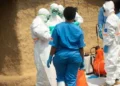


North Ubangi lies between South Ubangi and Bas-Uele, both of which have previously reported cases. The Wapinda health zone’s proximity to Bas-Uele creates a need for local surveillance and coordination between affected areas, although the publicly available reporting reviewed for this draft does not establish a direct epidemiological link between the two North Ubangi cases and specific infections elsewhere.
Difficult access complicates containment
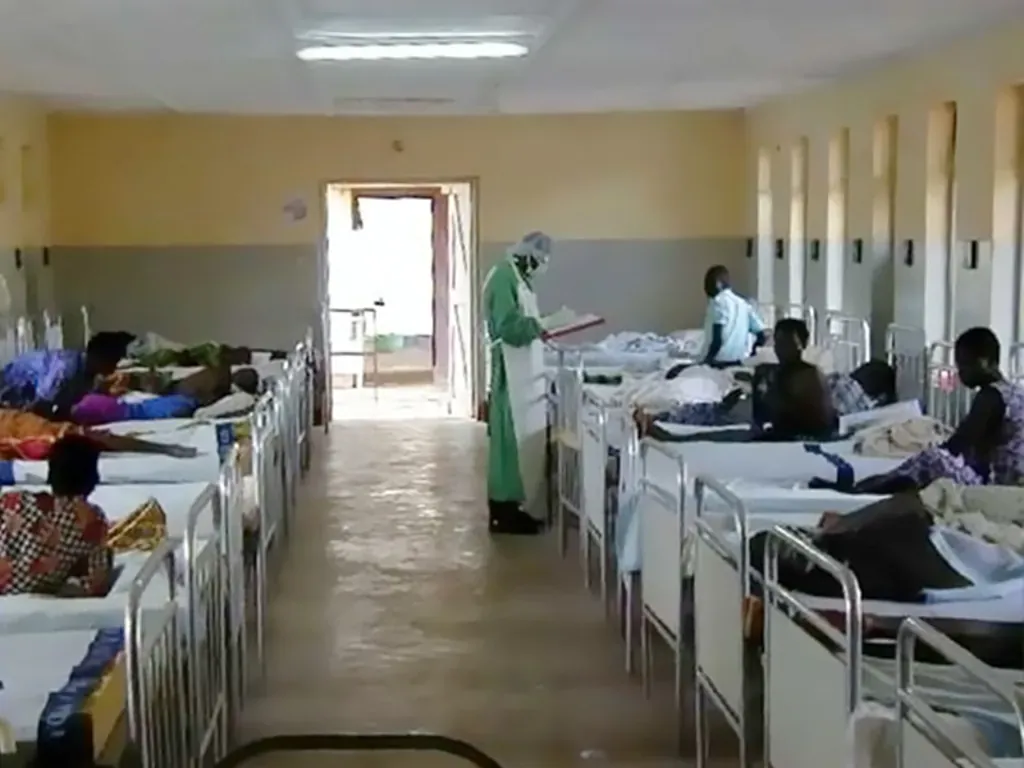
Health workers face logistical and community challenges in parts of the outbreak zone. Poor roads and limited communications can make it difficult to reach remote communities, investigate suspected cases and maintain follow-up with people who may have been exposed.
Population movement and insecurity also complicate containment. In border areas, people may travel for work, trade or safety, including movement prompted by armed violence in neighbouring areas. Such movement can make surveillance harder, but it does not mean that every person travelling from an affected area has been exposed to the virus.
Public confidence in health services is another challenge. The Associated Press reported that some people had avoided medical facilities because of fear, while health workers in Wamba health zone introduced periodic home visits to encourage people to seek care and improve case detection.
Those reports concern experiences in other affected locations and should not automatically be applied to North Ubangi. The sources reviewed for this article do not establish the number of contacts identified in Wapinda, the proportion under follow-up or whether the same home-visit measures have been introduced there.
Cross-border concerns require careful distinction
The outbreak has previously affected countries beyond the DRC. Uganda reported cases earlier in 2026 but subsequently declared itself Ebola-free, while Kenya confirmed infections during October. The Associated Press reported that the Central African Republic had no confirmed cases as of its October 18 report.
North Ubangi’s location near the Central African Republic border makes cross-border surveillance relevant, but proximity is not evidence of transmission across that border. No confirmed infection in the Central African Republic was identified in the reporting reviewed for this article.
The World Health Organization has emphasized surveillance, contact tracing, clinical preparedness, supportive care and cross-border preparedness in its response to the Bundibugyo virus outbreak. Its outbreak overview also identifies insecurity, population movement and the need for community engagement as important response challenges.
The WHO’s published risk assessment dated August 14 classified the risk within the DRC as very high and the risk for countries sharing land borders with the DRC as high, while assessing the risk for the rest of the African region and globally as low at that time. That assessment predates the North Ubangi confirmation and should not be treated as a new risk assessment of the October 18 development.
No licensed vaccine or specific treatment for Bundibugyo virus
Bundibugyo virus is a distinct species of Ebola virus. The World Health Organization says there is no licensed vaccine or specific treatment for Bundibugyo virus disease, although research into candidate countermeasures continues. The absence of a licensed, virus-specific product does not mean that patients cannot receive medical care.
Supportive care can include fluids, treatment of symptoms and complications, monitoring and other measures intended to help patients maintain vital functions. Early recognition, testing and optimized supportive care can improve clinical management, according to WHO guidance.
WHO has also published emergency guidance on the potential use of a licensed Ebola vaccine during Bundibugyo virus disease outbreaks. That guidance should not be confused with the existence of a vaccine specifically licensed for Bundibugyo virus disease; any use must follow the relevant public-health guidance and authorization.
North Ubangi response details remain unclear
The confirmation of two cases establishes that the outbreak has reached North Ubangi, but several operational details remain unverified in the public sources reviewed for this article.
The available reporting does not provide a confirmed count of contacts identified in Wapinda, the number completing follow-up, the precise date of symptom onset for each patient or an established epidemiological link to other cases. It also does not establish the full scope of any local movement restrictions, community outreach or cross-border measures specific to North Ubangi.
Those details matter for assessing how quickly the response can identify further infections and limit transmission. Until authorities publish additional information, the two confirmed cases should be reported separately from any suspected infections or unverified deaths.
The outbreak’s expansion to an eighth province broadens the geographic demands on health teams while transmission remains concentrated in parts of eastern Congo. The immediate public-health priority is to establish the extent of infection in Wapinda, identify and monitor contacts, and sustain surveillance without overstating what is known about transmission beyond the affected areas.
Reporting Credit: Reuters for the October 18 confirmation and national epidemiological figures; Associated Press for reporting on North Ubangi, access constraints and community response; and the World Health Organization for its Bundibugyo virus outbreak overview and published risk assessment.