BRASÍLIA, Brazil – The United States suspended consular services at its diplomatic facilities in Brazil and Australia closed its embassy in Brasília on Oct. 2, two days before Brazil’s general election, after both governments cited security concerns.
The U.S. action affected consular services at the embassy and its consulates in Brazil. Washington did not publicly specify the nature of the security concerns or establish a connection between the measures and Sunday’s election.
Australia separately announced that its embassy in Brasília would close on Oct. 2 because of security concerns. Its embassy also advised Australians to avoid U.S. diplomatic facilities in Brazil following a U.S. security alert.

The diplomatic measures coincided with a preventive investigation by Brazil’s Federal Police into suspected plans for acts that could threaten U.S. diplomatic installations.
Brazilian police investigate reported risks
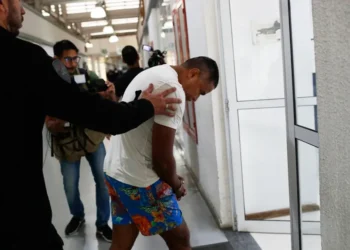
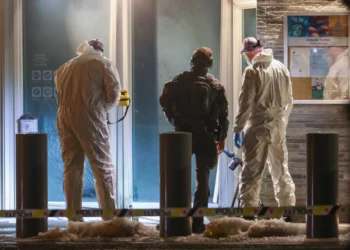
The Federal Police said it carried out two search-and-seizure warrants on Oct. 2, one in São Paulo and another in the area surrounding the Federal District.
The operation was part of a confidential investigation into alleged planning for actions that could put U.S. diplomatic facilities in Brazil at risk. The police said the investigation resulted from ongoing cooperation with foreign intelligence agencies.
So far, however, investigators have not publicly established that the reported threat was real.
The Federal Police said that, following the searches, authorities had found no elements corroborating the risks initially identified. Police also said they had not identified suspects involved with criminal organizations.
■ Related News




Communication equipment and other media seized during the searches were being analyzed, and the investigation remained underway.
That distinction is central to the developing story: the U.S. and Australian security precautions are confirmed, but Brazilian investigators have not publicly substantiated the underlying risks.
Election security preparations already underway
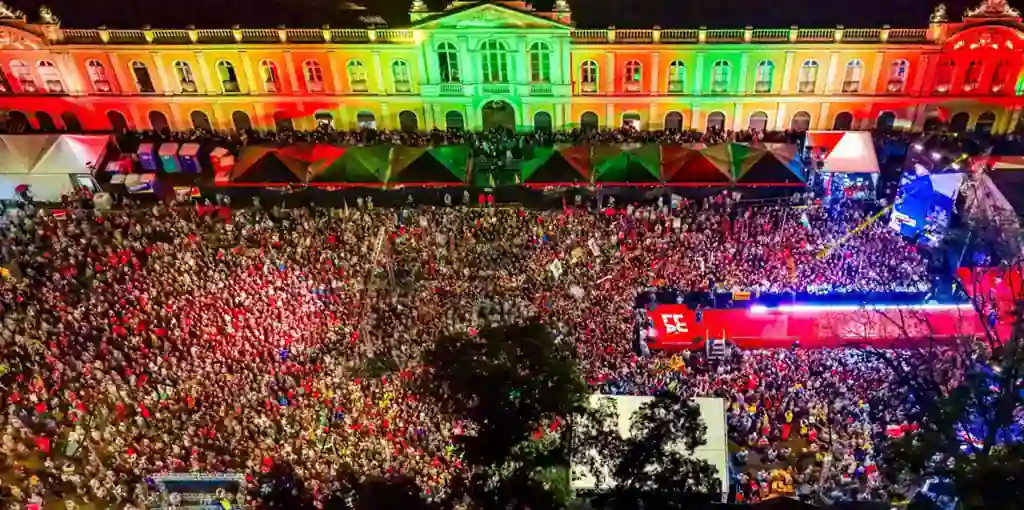
The diplomatic measures came as Brazil prepared for the first round of its 2026 general election on Oct. 4.
The Superior Electoral Court says voters will choose the president and vice president as well as governors, senators and federal, state and district deputies. Voting is scheduled from 8 a.m. to 5 p.m., Brasília time.
Brazilian authorities had already established a nationwide security operation for the election.
The Ministry of Justice and Public Security said on Oct. 3 that federal and state agencies would operate through integrated command-and-control centers during Sunday’s vote. The identified security risks include disinformation, vote buying, irregular transportation of voters, large gatherings and political violence.
The operation involves the Ministry of Justice and Public Security, the Federal Police, Federal Highway Police, Brazilian Intelligence Agency, Defense Ministry, state security agencies, police forces and fire departments.
The Federal Police separately said its election operation includes prevention and investigation of electoral, cyber and hate-related crimes, as well as intelligence activities and measures against organized crime.
These measures are part of Brazil’s broader election-security planning and do not by themselves establish a connection to the reported risks involving U.S. diplomatic facilities.
No public evidence links the measures to the election
The timing of the diplomatic closures has placed them in the immediate context of Brazil’s presidential and general elections, but the available official statements do not establish that Sunday’s vote caused the U.S. decision.
Nor has Brazil’s Federal Police said that the searches uncovered a confirmed plot against U.S. diplomatic facilities.
The police investigation remains open, with authorities examining seized communications equipment and media for additional information.
The Australian Embassy’s statement similarly describes its closure as a response to security concerns and the U.S. alert rather than identifying a specific threat or attributing the concern to the election.
What remains unknown
The U.S. government has not publicly disclosed the specific security information that prompted the suspension of consular services.
Brazilian authorities have likewise not publicly identified a suspect or confirmed the reported risk following the searches.
That leaves several important questions unresolved, including what intelligence prompted the original warning, how the information was assessed by the governments involved, and whether the continuing Brazilian investigation will establish a credible threat.
For now, the documented sequence is narrower: the United States suspended consular services over stated security concerns, Australia closed its Brasília embassy after the U.S. alert, and Brazilian police conducted preventive searches but reported no corroborating evidence of the initially identified risks as of Oct. 2.
Brazil’s election is proceeding under a separate nationwide security operation, with authorities preparing for a range of electoral and public-order risks.
Reporting Credit: U.S. Department of State / U.S. Mission Brazil; Australian Embassy in Brazil; Brazilian Federal Police; Brazil Ministry of Justice and Public Security; Brazil Superior Electoral Court; Brazilian federal and state security authorities.