NEW YORK, United States – Airline passengers may not see much relief in ticket prices even if jet fuel costs begin falling, as carriers adjust schedules, recover earlier expenses and manage a market where available seats remain an important constraint.
U.S. airline fares were 23.4% higher in August than a year earlier, according to the Bureau of Labor Statistics. The airline-fares index also rose 2.7% from July, even as fuel markets moved through another period of sharp volatility.
That disconnect is central to the current airfare market.

Fuel is one of the largest costs for airlines, but ticket prices do not automatically move down when fuel becomes cheaper. Airlines buy fuel at different times, hedge some of their exposure, sell tickets weeks or months before flights operate and set fares according to demand and available seats.
A decline in fuel prices can therefore improve an airline’s finances before it produces a noticeable reduction in what passengers pay.
Fuel prices have been unusually volatile
The current cycle has been particularly difficult because the Iran war has disrupted oil and refined-fuel markets.
The International Air Transport Association’s latest fuel monitor puts the global average jet-fuel price at $194.90 a barrel, up 7.4% from the previous week. IATA’s June outlook had already warned that disruptions around the Strait of Hormuz could create persistent tightness in refined products because refining systems had limited spare capacity and supply chains were difficult to adjust quickly.
U.S. jet fuel prices have also moved sharply.
■ Related News

The Argus U.S. Jet Fuel Index reached $4.53 a gallon on Sept. 17, according to data cited by the Associated Press, before easing to about $4.30 a gallon later in the month. That remained nearly twice the 2025 average tracked by the index.
The rapid swings make it difficult for airlines to determine how much of the cost increase should be passed through to customers and how much should be absorbed.
It also means that a temporary decline in fuel prices may not be enough to change airline pricing decisions.
Airlines cannot immediately reprice tickets
Airline tickets are sold continuously, often well before a flight departs.
When fuel costs rise, carriers can increase prices on seats that have not yet been sold. But tickets already purchased cannot simply be repriced.
That creates a timing problem.
United Airlines said in July that higher fuel prices had increased its expected third-quarter fuel expense by about $575 million from the beginning of that month. The company said it expected to recover 80% to 90% of the increase during the third quarter and 100% by the fourth quarter through revenue.
That recovery can come through higher fares, changes in the mix of passengers and other revenue sources.
United’s experience illustrates why a fuel-price decline does not necessarily translate immediately into cheaper tickets. The airline first has to work through the financial effects of the earlier increase.
The same principle works in reverse.
If fuel prices fall sharply and remain lower, airlines eventually receive meaningful cost relief. But the effect on fares can take longer because pricing decisions are based on future demand, seat availability and the competitive environment rather than fuel costs alone.
Capacity is becoming a bigger part of the fare equation
Airlines have also responded to the fuel shock by reducing or slowing capacity growth.
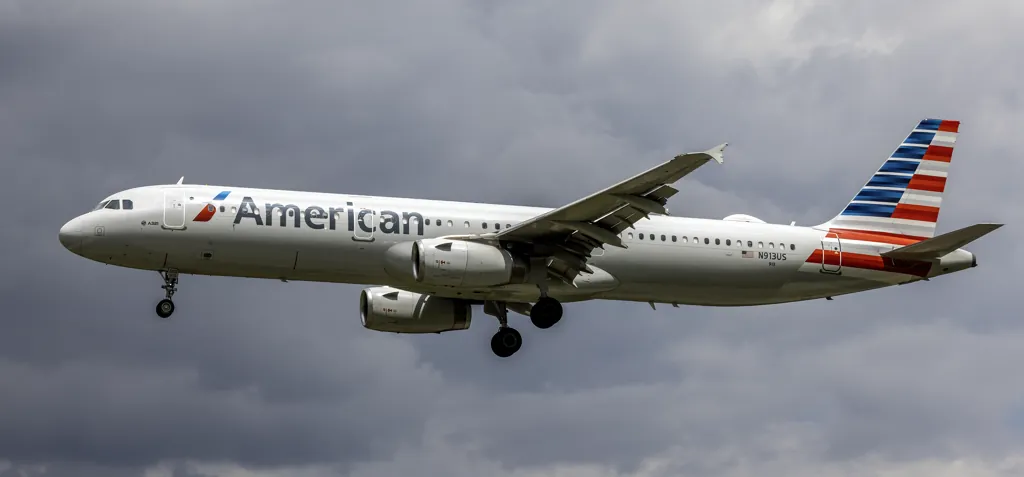
American Airlines, United Airlines and Southwest Airlines have said they are cutting or adjusting planned schedules, particularly on less-profitable routes, as fuel costs rise. United has removed some December flights and warned that additional reductions could follow if fuel remains expensive.
Capacity matters because fewer seats can support higher fares when passenger demand remains strong.
That creates a second reason ticket prices may remain elevated after fuel costs ease.
An airline that has already reduced flights may not immediately restore them when fuel becomes cheaper. Carriers have to consider aircraft availability, crew scheduling, airport slots, maintenance requirements and whether the additional flights will generate sufficient revenue.
The result can be a market in which fuel costs fall while the supply of seats remains relatively tight.
Demand is still supporting fares
Airfare inflation is not being driven by fuel alone.
The BLS reported that U.S. airline fares were 23.4% higher year over year in August. The increase came even as the broader transportation-services category rose only 2.4% over the same period.
Travel demand has remained sufficiently strong for airlines to continue raising revenue even while confronting higher operating costs.
United said its second-quarter revenue per available seat mile rose 12.1% year over year and expected revenue trends to remain strong in the third and fourth quarters.
That gives carriers less incentive to cut fares simply because one component of their cost structure improves.
Airlines ultimately price seats according to what passengers are willing to pay and how many seats remain available, rather than according to a direct formula tied to the price of jet fuel.
Holiday travelers face a separate pressure
The timing of the fuel shock is particularly important because airlines are approaching the peak year-end travel period.
Hopper said average round-trip domestic fares for Thanksgiving travel reached about $402 during the week ending Sept. 25, while Christmas fares averaged about $452. Those prices were 31% and 23% higher, respectively, than a year earlier.
Travelers therefore face two overlapping forces.
Fuel costs have pushed airline operating expenses higher.
At the same time, strong holiday demand and limited capacity can allow airlines to maintain elevated fares.
A reduction in fuel costs would address the first pressure but would not automatically remove the second.
Fuel hedging can delay the effect
Airlines also do not all experience fuel-price movements in the same way.
Some carriers hedge part of their anticipated fuel consumption, while others have greater exposure to spot or near-term prices. IATA estimated in its June global outlook that airlines had hedged roughly one-third of expected 2026 fuel consumption worldwide, providing some protection from short-term volatility but not eliminating exposure to sustained increases.
Hedging means two airlines facing the same market price can have different effective fuel costs.
It also complicates the relationship between fuel prices and fares.
An airline that bought fuel protection earlier may not immediately benefit from a market decline because it is still operating under previously established contracts. Another carrier with greater exposure to current prices could see its costs change more quickly.
For passengers, those differences are largely invisible.
They appear instead in ticket prices, schedules and the number of flights offered.
Fuel must fall — and stay down
The most important distinction for travelers is between a temporary fuel-price decline and a sustained reduction.
Airline pricing does not need to respond to every daily movement in crude or jet fuel.
Carriers plan schedules and financial forecasts months ahead. They need confidence that lower fuel costs will persist before making major changes to capacity or fares.
Brett House, an economist at Columbia Business School, told the Associated Press that fuel-price volatility itself makes airlines cautious about lowering ticket prices. He said jet-fuel prices would need to fall and remain lower for fares to decline on a sustained basis.
That is particularly relevant after the extreme movements of 2026.
Global jet fuel averaged about $99 a barrel on Feb. 27, according to IATA data cited by the AP. Prices more than doubled to $209 in early April, fell for several months and then climbed back toward $195 in September.
From an airline’s perspective, that history provides little reason to assume that the latest decline will last.
Cheaper fuel would still matter
None of this means falling fuel prices would have no effect.
Fuel is expected to account for nearly one-third of airline operating expenses this year, according to IATA, compared with roughly one-quarter in 2025. A sustained decline would therefore improve airline margins or reduce the pressure to raise fares.
Over time, stronger airline finances could also support additional capacity.
If carriers become confident that fuel costs have stabilized at lower levels, they can reconsider marginal routes, restore some flights and compete more aggressively for passengers.
That could eventually put downward pressure on fares.
But those effects would occur through several stages rather than appearing immediately at the booking screen.
The airfare market has its own momentum
The current market demonstrates why airline tickets cannot be treated like a simple pass-through from oil prices.
Fuel affects airline costs.
Capacity affects the number of seats available.
Demand affects how quickly those seats sell.
Competition affects how aggressively airlines price them.
Hedging affects when fuel-price changes reach an airline’s actual costs.
And the timing of ticket purchases determines whether a passenger encounters a fare set before or after those changes.
All of those factors can move in different directions at the same time.
That is why travelers can continue seeing expensive tickets even after headlines about falling oil or jet fuel prices begin appearing.
The next phase depends on capacity as much as fuel
If the current fuel shock eases, the airline industry will face a different question: how quickly will carriers restore capacity?
American, United and Southwest have already adjusted schedules in response to the latest cost pressure. Those decisions can take time to reverse.
If demand remains strong while capacity stays constrained, fares could remain elevated even with lower fuel costs.
If airlines restore capacity and competition intensifies, the relationship could change.
The same fuel-price decline could therefore produce very different outcomes depending on the number of available seats and the strength of passenger demand.
For travelers, the practical implication is that a cheaper barrel of jet fuel is not necessarily a cheaper airline ticket.
The cost relief has to move through airline finances, schedules and competitive pricing before it reaches consumers.
And after one of the most volatile fuel periods in recent years, airlines have another reason to wait for evidence that lower prices are durable.
Reporting Credit: U.S. Bureau of Labor Statistics — August 2026 Consumer Price Index and airline-fare data; International Air Transport Association — global jet-fuel prices, airline fuel-cost exposure and industry outlook; United Airlines Holdings — 2026 fuel-cost, revenue and capacity disclosures; American Airlines — 2026 fuel-cost and capacity commentary; Southwest Airlines — 2026 capacity adjustments.