Global aviation is entering a period of renewed strain as jet fuel supplies fail to keep pace with rising travel demand, exposing structural weaknesses in refining capacity and energy distribution networks. The imbalance is beginning to ripple through airline operations, ticket pricing, and route planning, raising concerns about how long the sector can sustain post-pandemic recovery momentum under tightening fuel constraints.
According to reporting by The Associated Press, jet fuel availability has lagged behind broader oil supply growth, creating a mismatch that is increasingly visible across major aviation hubs. Industry analysts warn that the issue is not rooted in crude shortages but in the limited ability of refineries to produce sufficient volumes of aviation-grade fuel.
Refining Bottlenecks Begin to Constrain Airline Flexibility
The current supply gap is being driven largely by refining limitations rather than upstream production deficits. Several refineries have either closed or reduced output in recent years, while others have shifted toward more profitable fuel products such as diesel. This has narrowed the share of jet fuel in overall output at a time when international air travel is accelerating.

Airlines are now being forced to adapt operational strategies. Some carriers are adjusting flight schedules, reconsidering marginal routes, or increasing fuel hedging activity to manage exposure. The constraints also limit flexibility in responding to demand spikes, particularly during peak travel seasons.
From a strategic standpoint, the aviation sector is confronting a structural issue rather than a temporary disruption, suggesting that short-term fixes may be insufficient without broader refining adjustments.
Cost Pressures Intensify Across Global Carriers
Fuel remains one of the largest cost components for airlines, and tightening supply is translating into higher prices. As jet fuel premiums rise relative to crude oil, carriers are seeing margins come under pressure, particularly those operating long-haul routes where fuel consumption is highest.
This dynamic is likely to feed through to consumers. Airlines may pass on increased costs through higher fares, reduced promotional pricing, or ancillary fees. Budget carriers, which typically operate on thinner margins, could be especially vulnerable to sustained price volatility.
The pricing environment also complicates long-term planning. Airlines must now factor in not only fuel price fluctuations but also potential availability constraints, adding another layer of uncertainty to route and capacity decisions.




Regional Imbalances Expose Supply Chain Vulnerabilities
Jet fuel shortages are not uniform across regions. Some markets are experiencing more acute constraints due to logistical challenges, refining capacity distribution, or geopolitical factors affecting energy flows. This uneven landscape creates inefficiencies in global aviation networks, as airlines may need to adjust fueling strategies or reroute aircraft to ensure supply continuity.
In certain cases, aircraft may carry additional fuel from better-supplied locations, a practice known as “tankering,” which can increase weight and reduce efficiency. While viable as a short-term solution, it underscores deeper imbalances in supply chain coordination.
These regional disparities highlight the fragility of aviation fuel logistics, particularly in a system optimized for efficiency rather than resilience.
Energy Market Shifts Reshape Aviation Outlook
The jet fuel squeeze reflects broader changes within global energy markets. As refining economics evolve and environmental policies influence production decisions, aviation fuel is competing with other petroleum products for limited processing capacity.
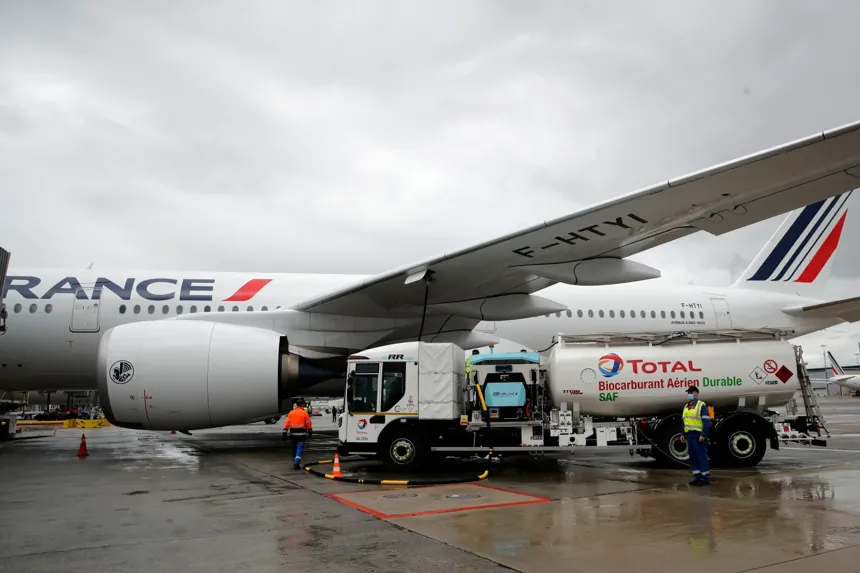
There is also a longer-term transition underway, with growing emphasis on sustainable aviation fuels (SAF). However, current SAF production remains limited and cannot yet offset conventional jet fuel demand at scale.
This leaves airlines navigating a transitional phase where traditional fuel supplies are constrained, but alternatives are not yet sufficiently developed to bridge the gap.
Strategic Outlook: Aviation Faces Prolonged Supply Adjustment
Looking ahead, the imbalance between jet fuel supply and aviation demand may persist unless refining capacity expands or production priorities shift. The situation places airlines in a position where operational efficiency, fuel management, and pricing strategy will become increasingly central to competitiveness.
The risk is not an immediate disruption to global travel but a gradual tightening of conditions that could slow growth, reshape route economics, and alter passenger cost expectations.
In that sense, the jet fuel shortage is less a crisis than a structural adjustment—one that may redefine the operating environment for airlines in the years ahead.