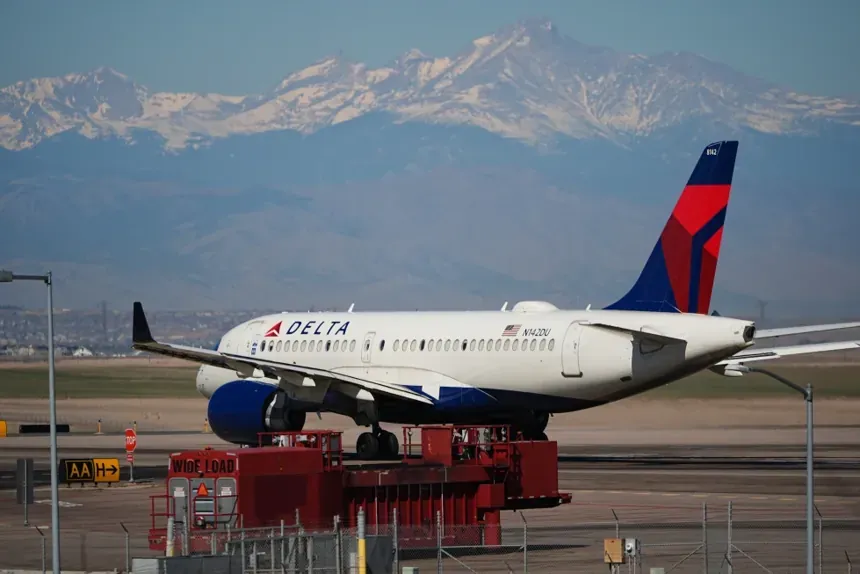
Delta Air Lines has increased checked baggage fees across most domestic and short-haul international routes, becoming the latest major U.S. carrier to pass through rising jet fuel costs to travelers as oil market disruption around the Strait of Hormuz lifts operating expenses. The airline said first-bag fees will rise to $45, second bags to $55, and third bags to $200, with the changes taking effect for bookings from Wednesday.
The move is strategically significant because it highlights how airlines are leaning more heavily on ancillary revenue streams to protect margins as fuel markets remain volatile. For full-service carriers such as Delta Air Lines, baggage fees remain one of the fastest pricing levers available compared with base fare adjustments, which are more exposed to competitive pressure and demand elasticity.
Pricing and Revenue Strategy
Delta said the increase adds $10 to the first and second checked bags and $50 to the third bag, marking the carrier’s first domestic baggage fee increase in roughly two years. Complimentary checked baggage policies remain unchanged for premium-cabin travelers, active-duty military personnel, eligible co-branded cardholders, and higher-tier loyalty members. Long-haul international baggage pricing is not affected.

From a transport economics perspective, the decision reflects a broader industry trend in which airlines separate core ticket pricing from variable operational cost recovery. Analysts across the aviation sector note that ancillary fees offer better yield management flexibility than across-the-board airfare increases, particularly heading into the northern summer travel season.
Fuel Cost Pressure and Aviation Exposure
The fee adjustment comes as Delta management previously disclosed that higher fuel prices had already added roughly $400 million in operating costs since the Middle East conflict escalated in late February. Comparable pressure has also been flagged by other U.S. network carriers, including rivals that raised baggage fees in recent days.
Fuel remains the second-largest airline expense after labor, making sudden price moves particularly consequential for quarterly margins. According to aviation industry monitoring, global jet fuel benchmarks have surged sharply from pre-conflict levels, reinforcing the urgency of near-term pricing actions.
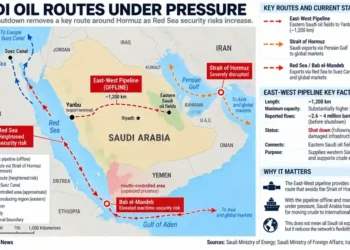
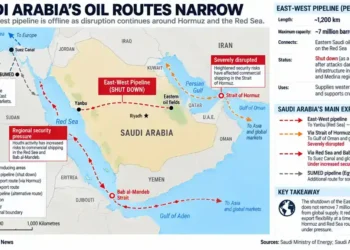
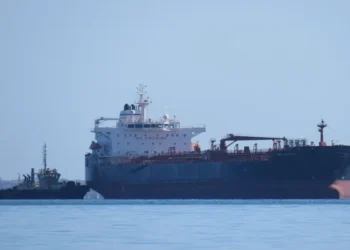
A structural risk factor remains the Strait of Hormuz, a critical maritime chokepoint through which roughly one-fifth of global oil supply typically moves. Any disruption in tanker flows directly affects crude and refined aviation fuel markets, with airlines among the fastest sectors to feel margin compression.
Market and Earnings Implications
The timing is notable because Delta is set to open the U.S. airline earnings cycle with its first-quarter results, giving investors an early look at how fuel inflation is affecting profitability, guidance, and forward pricing assumptions.



For the broader transportation sector, the development reinforces a key mobility-market theme: airline pricing power is increasingly shifting toward optional service layers rather than base fares alone. If fuel remains elevated, further action could extend beyond baggage into seat selection, change fees, premium boarding, and route-specific fare adjustments.
Competitive and Industry Comparison
Delta’s action follows similar pricing changes by United Airlines and JetBlue, suggesting a coordinated industry response to shared cost inflation rather than isolated carrier-specific weakness.
Internationally, many non-U.S. carriers are responding through explicit fuel surcharges, while U.S. airlines continue to favor embedded ancillary fees and dynamic fare repricing. This divergence reflects different regulatory norms and customer pricing expectations across markets.