CAIRO, Egypt – U.S. President Donald Trump said Tuesday that an agreement to reopen the Strait of Hormuz could be reached within days, signaling growing optimism that negotiations involving Iran and Oman may restore commercial shipping through one of the world’s most important maritime trade routes.
Speaking to reporters while traveling in California, Trump said “a lot of progress has been made” toward a deal. His remarks came early Wednesday in the Middle East because of the time difference.
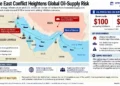
The Strait of Hormuz handles a significant share of the world’s oil and natural gas exports. Since the conflict began, attacks on commercial vessels have sharply reduced maritime traffic, disrupting energy supplies and increasing volatility in global markets.

Oil prices declined following Trump’s comments. Brent crude, the international benchmark, fell 1.2% to $78.43 per barrel in early Wednesday trading as investors anticipated a possible improvement in regional shipping conditions.
Proposed Agreement Focuses on Shipping Routes
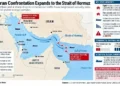
According to two regional officials familiar with the negotiations, the emerging proposal would establish separate inbound and outbound shipping corridors administered by Iran and Oman.
Under the proposed framework, vessels entering the Persian Gulf would travel through a route managed by Iran, while outbound traffic would use a corridor overseen by Oman.
The officials, who spoke on condition of anonymity because the negotiations remain confidential, said ships would pay service fees intended to fund maritime security and environmental protection.
They cautioned that discussions are ongoing and that the final agreement could differ from the current proposal. They also said any broader agreement could be linked to lifting the U.S. blockade on Iranian ports.



Before the conflict began on Feb. 28, the Strait of Hormuz functioned as an international shipping lane. Since then, repeated attacks have significantly reduced commercial traffic through the passage.
Trump has repeatedly opposed any arrangement that would allow Iran to impose tolls on vessels using the strait.
Negotiators Report Progress but Key Issues Remain
Iranian Foreign Ministry spokesperson Esmail Baghaei said discussions with Oman are focused on establishing secure shipping lanes that protect the sovereign rights and national security interests of both countries.
According to Iran’s state-run IRNA news agency, Baghaei said details of any agreement would be announced once negotiations conclude.
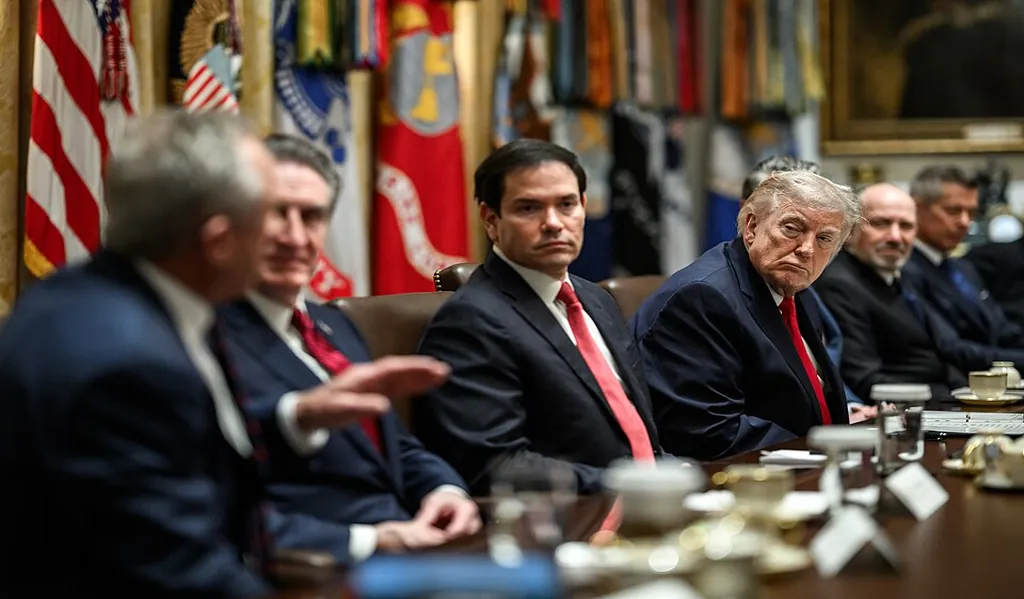
U.S. Secretary of State Marco Rubio also acknowledged progress while emphasizing that negotiators have not reached a final agreement. Rubio has previously argued that granting Iran control over the waterway could create an undesirable precedent for other strategic maritime routes.
Treasury Secretary Scott Bessent said during an interview with CNBC that an agreement could potentially be reached within a day or two.
Trump also indicated that reopening the Strait of Hormuz could serve as the first step toward broader negotiations involving Iran’s nuclear program.
Iran, however, continues to deny holding direct negotiations with Washington, maintaining that its discussions are taking place solely with Oman.
Regional Diplomacy Continues
Diplomatic efforts continued across the Gulf as Qatar sought to support negotiations.
Qatar’s Emir, Sheikh Tamim bin Hamad Al Thani, spoke by telephone with Trump on Tuesday, according to the emir’s office.
The two leaders discussed ways to narrow remaining differences and advance a lasting diplomatic settlement, the office said.
The renewed negotiations come as the Trump administration faces growing domestic pressure to reduce regional tensions following months of higher fuel prices and increased military expenditures.
Maritime Security Risks Persist
Despite signs of diplomatic progress, security threats continue across regional waterways.
An Indian-flagged commercial vessel sank Tuesday in the Red Sea after being struck by an explosive-laden boat off Yemen’s coast, according to Yemeni and Indian authorities. Coast guard crews rescued all 14 people aboard, including 13 Indian nationals and one Yemeni.
No group claimed responsibility for the attack. However, Iran-backed Houthi militants have repeatedly targeted commercial shipping in the Red Sea.
Separately, the United Kingdom Maritime Trade Operations center reported that a cargo vessel was struck by an unidentified projectile while transiting the Strait of Hormuz near Oman’s Musandam Peninsula.
British maritime security firm Ambrey said the vessel sustained damage, although authorities have not identified those responsible.
Negotiators hope the Oman-mediated talks will allow commercial shipping to resume more normally while broader diplomatic efforts continue to reduce tensions across the Middle East.
This report is based on reporting by The Associated Press.