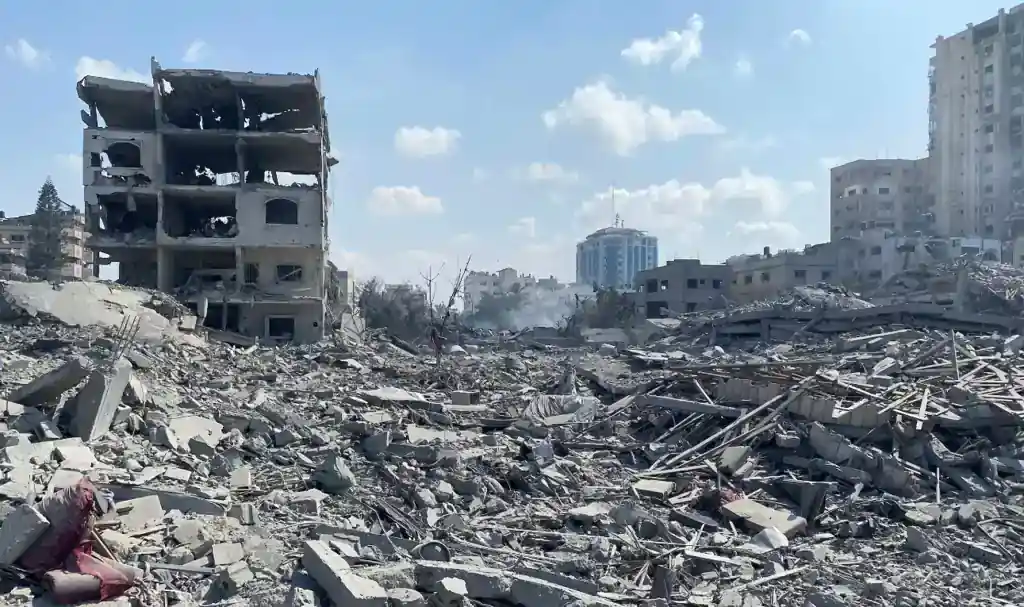
CAIRO, Egypt – Hamas said Friday it had agreed to begin disarming under a U.S.-brokered framework aimed at ending the war in Gaza. The announcement marks a potentially significant step toward implementing a ceasefire agreement that has remained stalled for months.
The group said it would initially surrender some of its weapons under the proposed framework. However, it said the transfer of heavy weapons would come later and would depend on the creation of a Palestinian state, a condition Israel’s current government has rejected.
The statement is the clearest indication so far that Hamas is prepared to move ahead with one of the ceasefire’s central provisions. Israel had not publicly responded to Hamas’ announcement at the time of publication.

Ceasefire Progress Faces Continued Violence
Despite the diplomatic development, fighting continued in Gaza.
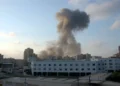
Hospital officials said Israeli airstrikes on Friday killed at least one Palestinian and wounded at least four others, including a child. The Israeli military did not immediately comment on the reported strikes.
Meanwhile, United Nations Secretary-General António Guterres welcomed the reported agreement. He described it as the only positive development from the region in recent days and urged all parties to implement the deal without delay.
Under the proposed framework, Hamas would disarm and transfer governing authority to an independent Palestinian administration. In return, Israel would withdraw its forces from Gaza, while an International Stabilization Force would deploy to help maintain security.
Negotiations have remained stalled for months. Israel insists Hamas must disarm before further progress can be made. Hamas, meanwhile, accuses Israel of violating the ceasefire through continued military operations.
■ Related News



Human Cost of the War Continues to Grow
The conflict began after the Hamas-led attack on southern Israel on Oct. 7, 2023, which Israeli authorities say killed about 1,200 people and resulted in 251 hostages being taken.
Gaza’s Health Ministry says Israel’s military campaign has killed more than 73,000 Palestinians, including those reported killed after the ceasefire agreement was announced.
Iran-Linked Tensions Keep Region on Edge
Although no new U.S. strikes were reported in Iran overnight, tensions remained high across the region.
Kuwaiti authorities said Iran launched drones toward Kuwait, which hosts U.S. military forces. Kuwait’s Defense Ministry said its air defenses intercepted drones that entered its airspace. Falling debris caused damage, but officials reported no casualties.
Iranian state media said the drones targeted an air base in Kuwait in retaliation for U.S. strikes carried out Thursday.
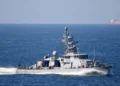
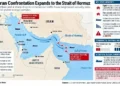
Separately, Iran’s paramilitary Revolutionary Guard said it struck two oil tankers attempting to transit the Strait of Hormuz. State media also reported that four other tankers turned back, although officials did not identify the vessels or report possible casualties.
The Strait of Hormuz remains one of the world’s most important shipping routes for oil and natural gas. Continued hostilities have disrupted maritime traffic through the waterway.
Regional Governments Strengthen Security Cooperation
Saudi Arabia announced plans to establish a 14-country defense alliance aimed at improving maritime security and protecting commercial shipping routes across the Red Sea region.
The Saudi Defense Ministry described the proposed coalition as defensive and said additional countries could still join.
Turkey, Egypt and Pakistan expressed support for the initiative. However, Oman and the United Arab Emirates were not part of the announcement.
A Houthi official, speaking anonymously because he was not authorized to comment publicly, said the alliance would not improve regional security unless Saudi Arabia first lifted its blockade on Yemen.
At the same time, the Houthis organized large rallies in Sanaa and other areas under their control to show support for the group’s attacks in the Red Sea.
Israel and Lebanon Prepare for New Talks
In southern Lebanon, Israeli forces detonated explosives inside an underground tunnel network beneath the Crusader-era Beaufort Castle.
Israel says Hezbollah had used the tunnels as a command center.
Lebanese President Joseph Aoun criticized the operation, saying it sent negative signals ahead of another round of negotiations scheduled in Rome.
Israeli and Lebanese officials are expected to continue talks on a proposed agreement that would see Israeli forces withdraw from southern Lebanon in exchange for Hezbollah’s disarmament.
This report is based on reporting by The Associated Press.