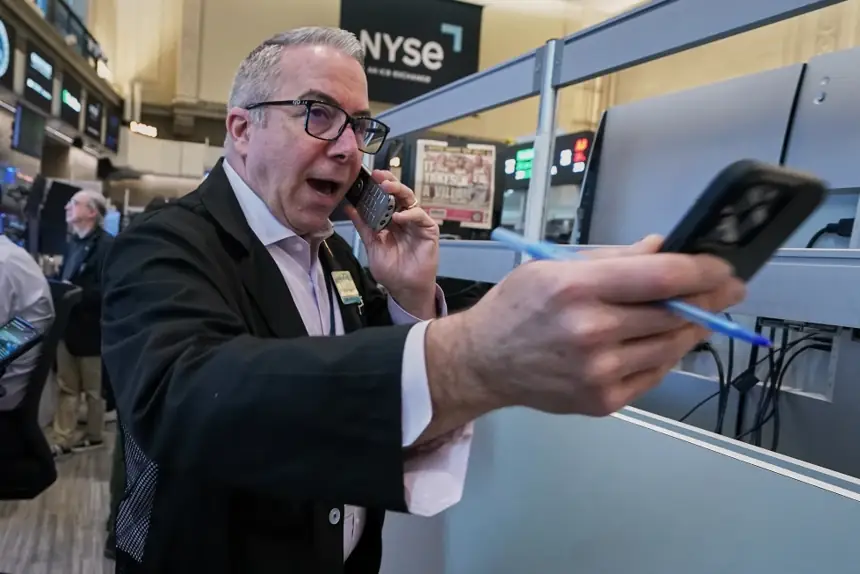
NEW YORK – U.S. stocks ended Monday with mixed results as falling oil prices provided some relief to investors while renewed weakness among major technology companies limited broader market gains.
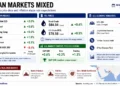
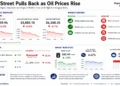
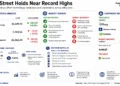
The benchmark S&P 500 declined 0.4%, extending its pullback from the record high reached earlier this month. The index remains about 1.8% below that peak despite having posted gains in 11 of the previous 12 weeks. The Dow Jones Industrial Average rose 148 points, or 0.3%, while the Nasdaq Composite fell 1.3%, reflecting heavier losses among technology and growth-oriented shares.
Market sentiment was influenced by developments in the Middle East after weekend discussions between the United States and Iran regarding their ongoing conflict. U.S. Vice President JD Vance said the talks established a positive basis for a potential agreement.

Oil Prices Fall Following Diplomatic Signals
Crude oil prices moved lower as investors assessed the possibility of reduced tensions in the region.
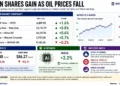
Brent crude, the international benchmark, dropped 3.2% to $77.52 per barrel. U.S. benchmark crude fell 2.6% to $73.86 per barrel. The decline brought prices closer to levels seen before the conflict intensified.
Energy markets have closely monitored conditions around the Strait of Hormuz, a critical route for global oil shipments. Any sustained easing of geopolitical risks could support uninterrupted energy exports from the Persian Gulf and help stabilize global supply flows.
Bond Market Signals Persistent Inflation Concerns
Despite the retreat in oil prices, Treasury yields continued to move higher as investors reassessed the outlook for U.S. monetary policy.
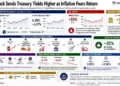
The yield on the 10-year Treasury note rose to 4.50%, up from 4.46% late last week and significantly above levels recorded before the outbreak of hostilities involving Iran.

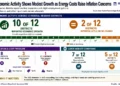

Market participants increasingly expect the Federal Reserve may raise interest rates later this year as inflationary pressures remain elevated. Economists anticipate a key inflation report later this week will show consumer price growth accelerated to 4.1% in May from 3.8% in April.
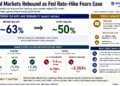
Data from CME Group indicated traders are pricing in nearly a 90% probability that the Federal Reserve will implement at least one interest-rate increase before year-end, compared with roughly 57% a week earlier.
Higher borrowing costs have raised concerns about slower economic growth while increasing financing expenses for households and businesses. Elevated yields also tend to reduce the appeal of high-valuation growth stocks, particularly companies linked to artificial intelligence.
Big Tech and AI-Related Shares Lead Market Declines
Technology stocks were among the largest drags on major indexes.
SpaceX shares fell 16.4% to $154.60, marking a third consecutive decline following a strong rally after the company’s highly anticipated stock market debut, where shares were initially offered at $135.
Several of the largest components of the S&P 500 also posted notable losses. Alphabet dropped 5%, Amazon declined 4.7%, and Broadcom lost 4.5%.
The weakness highlighted investor sensitivity toward richly valued technology companies as expectations for higher interest rates continue to build.
AbbVie Acquisition Boosts Biotechnology Sector
Healthcare stocks provided one of the market’s brighter spots after AbbVie announced an agreement to acquire Apogee Therapeutics.
AbbVie shares climbed 6.2% following the announcement, while Apogee Therapeutics surged 46.7%. The transaction is valued at approximately $10.9 billion and includes development programs targeting dermatological, respiratory, inflammatory, and immunological diseases.
The deal underscored continued acquisition activity within the biotechnology sector as larger pharmaceutical companies seek to expand their treatment portfolios through strategic purchases.
Global Markets Show Diverging Trends
Outside the United States, markets delivered a mixed performance.
In the United Kingdom, the FTSE 100 advanced 0.7% after Prime Minister Keir Starmer announced plans to step down as leader of the governing Labour Party and leave office in the coming weeks.
Asian markets continued to benefit from enthusiasm surrounding artificial intelligence investments. Japan’s Nikkei 225 gained 1.5% to reach another record high, while South Korea’s KOSPI rose 0.7% to a new peak, supported by technology-related companies.
By the closing bell, the S&P 500 had fallen 27.79 points to 7,472.79. The Dow Jones Industrial Average finished at 51,712.71, while the Nasdaq Composite closed at 26,166.60.
Tags: U.S. Stocks, S&P 500, Nasdaq, Dow Jones, Oil Prices, Federal Reserve, Treasury Yields, AbbVie, Apogee Therapeutics, Technology Stocks