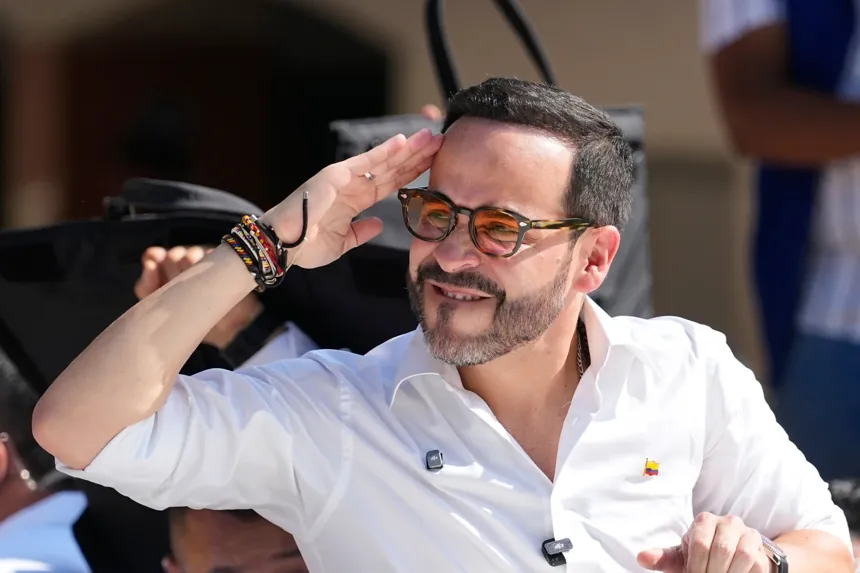
Colombian voters will choose between two sharply different visions for the country’s future after conservative candidate Abelardo de la Espriella and left-wing contender Iván Cepeda secured the top positions in Sunday’s presidential election, setting up a runoff that could shape Colombia’s approach to security, peace negotiations and international relations.
Election authorities reported that neither candidate won enough support to avoid a second round, making a runoff vote later this month necessary. The result follows a campaign heavily focused on rising violence, economic concerns and the future of President Gustavo Petro’s efforts to negotiate with armed groups operating across parts of the country. The election has attracted international attention because of Colombia’s strategic role in Latin America and its close relationship with the United States. (AP News)
Contrasting Visions Advance to Runoff
With nearly all ballots counted, election authorities reported that de la Espriella finished first with about 36% of the vote, while Cepeda secured roughly 31%, according to official preliminary results cited by The Associated Press.

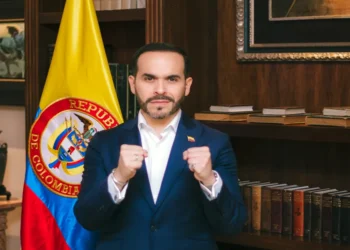
De la Espriella, a lawyer and political newcomer who has publicly expressed support for U.S. President Donald Trump, campaigned on promises to strengthen security measures and intensify action against armed groups. He criticized Petro’s peace initiatives, arguing that criminal organizations have expanded their influence despite negotiations with the government.
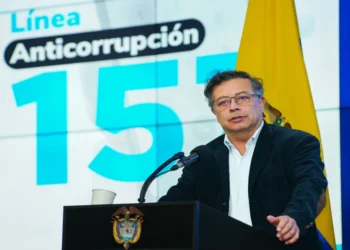
Cepeda, a senator and longtime human rights advocate, defended the administration’s peace strategy and argued that negotiations remain necessary to reduce violence. During the campaign, he pledged to continue efforts aimed at reaching agreements with armed factions while pursuing social and economic reforms.
Security Emerges as Central Election Issue
The election took place amid growing concerns over security conditions in several regions of Colombia.
Government officials have acknowledged that attacks by armed groups increased during Petro’s presidency despite ongoing negotiations with guerrilla organizations and criminal networks. Violence in rural areas became a dominant campaign issue as candidates debated how best to confront illegal armed actors while maintaining stability.
The issue gained additional prominence after conservative presidential candidate Miguel Uribe Turbay survived an assassination attempt during the campaign. Authorities arrested several suspects and continued investigations into the attack, which heightened concerns about political violence ahead of the vote.



International Implications Draw Attention
The runoff is expected to be closely watched beyond Colombia’s borders because of the country’s importance in regional security, migration and anti-narcotics cooperation.
De la Espriella has signaled support for strengthening ties with Washington and aligning more closely with policies favored by the Trump administration. Cepeda, meanwhile, has emphasized regional diplomacy and continued engagement with peace-building efforts as part of Colombia’s broader security strategy.
Relations between Bogotá and Washington have occasionally faced tensions during Petro’s presidency, particularly over migration and counternarcotics policies. The next administration will inherit responsibility for managing one of the United States’ most significant partnerships in Latin America.
Petro’s Legacy Faces Electoral Test
Sunday’s result also represented a major test of Petro’s presidency.
Elected in 2022 as Colombia’s first leftist president, Petro sought to reduce violence through negotiations with multiple armed organizations under his “Total Peace” initiative. While the policy produced some agreements and temporary ceasefires, critics argued that violence persisted or worsened in several regions.
The runoff will effectively become a referendum on whether Colombians support continuing that approach or favor a tougher security strategy focused on military and law enforcement measures.
As campaigning enters its final phase, both candidates are expected to compete aggressively for voters whose preferred candidates were eliminated in the first round. The outcome will determine not only Colombia’s next president but also the future direction of its security policies, peace efforts and international partnerships.