The emerging diplomatic effort aimed at ending the current Iran war has triggered cautious international attention, but many aspects of the proposed arrangement remain uncertain. Governments involved in the negotiations have released only limited details, while regional actors continue to weigh military, political, and economic consequences.
What is known so far suggests that several intermediaries are attempting to establish a framework that could reduce direct military confrontation between Iran and its adversaries. Yet the broader structure of any long-term settlement — including enforcement mechanisms, regional security guarantees, sanctions issues, and the future of proxy conflicts — remains unclear.
The conflict has already reshaped regional calculations across the Middle East, disrupted energy markets, and intensified concerns among global powers about wider instability. According to reporting from Reuters, AP News, and BBC News, multiple diplomatic channels involving Gulf states, European governments, and international organizations have been active in recent weeks, although few official documents have been released publicly.

The emerging negotiations reflect a familiar pattern in Middle Eastern diplomacy: military escalation often creates pressure for de-escalation, but durable agreements remain difficult because the underlying disputes are deeply structural. The conflict surrounding Iran is not limited to a single battlefield or political disagreement. It is tied to decades of regional rivalry, sanctions disputes, nuclear concerns, proxy warfare, and competing security doctrines.
Understanding what is known — and what remains uncertain — requires examining both the immediate diplomatic process and the broader geopolitical systems shaping it.
The Immediate Focus Appears to Be De-Escalation
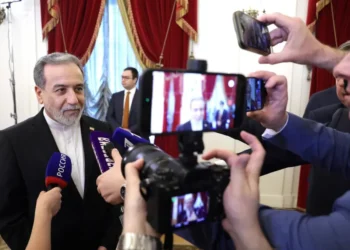
Current diplomatic efforts appear centered primarily on reducing the risk of a broader regional war rather than resolving every underlying dispute. According to Reuters reporting, mediators from Gulf countries and European governments have been involved in indirect communications designed to prevent further escalation.
Several governments have publicly emphasized the need for restraint, particularly after strikes and retaliatory attacks increased fears of a wider confrontation involving regional militias, strategic shipping routes, and foreign military installations. AP News reporting has highlighted concerns among Western and Arab governments that a prolonged conflict could destabilize energy supplies and trigger broader economic disruption.
At present, the known goals of the talks appear limited. Diplomats and analysts cited by major international outlets suggest negotiators are focusing on several short-term objectives:



- Reducing direct military exchanges
- Establishing communication channels
- Preventing attacks on critical infrastructure
- Limiting escalation involving regional proxy groups
- Creating conditions for broader political negotiations
However, no comprehensive peace framework has been publicly confirmed. It also remains unclear whether all parties involved share the same understanding of what a successful agreement would entail.
The Nuclear Issue Remains Central
One of the largest unanswered questions involves Iran’s nuclear program and whether it will become part of any final agreement.
For years, tensions surrounding Iran’s nuclear activities have shaped relations between Tehran, Western governments, and regional rivals. The collapse or weakening of earlier diplomatic arrangements, including aspects of the 2015 nuclear agreement, contributed to growing mistrust between the parties.
According to the International Atomic Energy Agency and reporting from the Financial Times and Reuters, concerns over uranium enrichment levels, monitoring access, and compliance mechanisms remain unresolved. Some governments continue to argue that military tensions cannot be separated from nuclear negotiations because security concerns are deeply interconnected.
Yet it remains uncertain whether the emerging deal under discussion would attempt to revive broader nuclear diplomacy or instead focus narrowly on military de-escalation. Analysts cited by Bloomberg and BBC News have noted that negotiators may initially pursue a limited agreement to reduce immediate violence before addressing more politically difficult nuclear issues.
This distinction matters because temporary ceasefire arrangements are often easier to negotiate than long-term strategic settlements.
Regional Powers Have Competing Priorities
Another major uncertainty involves the role of regional governments whose interests do not always align.
Iran’s relationships with Gulf Arab states have evolved significantly in recent years. Some governments in the region have pursued cautious diplomatic normalization with Tehran, partly to reduce the risks associated with direct confrontation. China-brokered diplomatic engagement between Iran and Saudi Arabia demonstrated that regional actors increasingly favor stability over open conflict, particularly when economic modernization plans depend on predictable security conditions.
At the same time, deep mistrust persists.
Several governments remain concerned about Iran’s regional influence through allied militias and armed political movements operating across multiple countries. According to Reuters and AP reporting, issues involving Lebanon, Iraq, Syria, Yemen, and maritime security continue to complicate negotiations.
Israel’s position also remains central. Israeli officials have consistently argued that any arrangement involving Iran must address long-term security threats, including missile capabilities and regional military networks. However, public details regarding Israel’s role in any emerging diplomatic framework remain limited.
The United States likewise faces competing pressures. Washington has sought to prevent wider regional escalation while maintaining longstanding security commitments to allies. Analysts cited by the Financial Times note that American policymakers must balance military deterrence with diplomatic engagement, particularly ahead of politically sensitive domestic and international developments.
Proxy Conflicts Complicate Any Settlement
One of the greatest obstacles to a lasting agreement is the fragmented nature of conflict across the region.
Unlike traditional interstate wars involving clearly defined fronts, tensions involving Iran often operate through networks of allied armed groups, political movements, and regional partnerships. These relationships make negotiations more complex because violence can continue even when governments formally support de-escalation.
According to BBC and Reuters reporting, armed groups aligned with Iran have played significant roles in conflicts across the Middle East. Meanwhile, Iran has consistently argued that many of these organizations operate independently and reflect local political realities rather than direct centralized control.
This creates a fundamental diplomatic challenge.
Even if major governments agree to reduce direct hostilities, it may prove difficult to ensure compliance across multiple theaters simultaneously. Past ceasefire efforts in the region have sometimes collapsed because local actors interpreted agreements differently or pursued separate strategic goals.
Questions also remain about enforcement mechanisms. No detailed public information has emerged regarding monitoring systems, verification arrangements, or consequences for violations.
Economic Pressures Are Driving Diplomacy
Economic concerns appear to be playing an important role in the push toward negotiations.
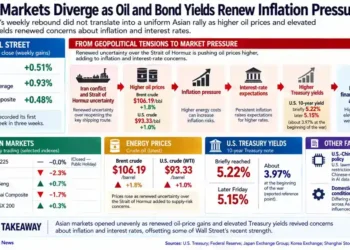
The Middle East remains central to global energy markets, and even limited disruptions can affect oil prices, shipping costs, inflation, and international trade. According to World Bank and IMF assessments cited by major financial publications, prolonged regional instability can create ripple effects far beyond the immediate conflict zone.
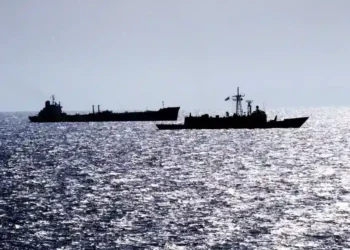
Shipping routes through strategically important waterways have become a particular concern. Attacks or threats involving maritime trade corridors have increased insurance costs and raised fears of supply chain disruption.
Iran itself also faces economic pressures tied to sanctions, inflation, and domestic financial strain. Meanwhile, neighboring countries pursuing long-term development programs have strong incentives to avoid prolonged instability.
Financial Times reporting has noted that Gulf economies increasingly prioritize economic diversification, foreign investment, and infrastructure expansion. Large-scale regional conflict threatens those objectives.
This does not necessarily mean economic interests alone can produce a durable settlement. However, they may increase incentives for temporary compromise.
Historical Distrust Continues to Shape Negotiations
The history of failed or incomplete agreements continues to influence current diplomacy.
Over several decades, negotiations involving Iran and Western or regional governments have repeatedly encountered setbacks tied to implementation disputes, political transitions, and shifting security conditions. Earlier nuclear agreements, regional ceasefires, and backchannel arrangements often produced temporary reductions in tension without fully resolving underlying rivalries.
According to analysts cited by Reuters and Bloomberg, this history contributes to skepticism among negotiators and regional observers alike.
Trust deficits appear especially significant in three areas:
- Verification of military commitments
- Long-term sanctions policy
- Regional security guarantees
Some governments fear that temporary de-escalation could allow adversaries to regroup strategically. Others worry that limited agreements may fail to address broader security threats.
This helps explain why public statements from involved governments have often remained cautious and carefully worded.
What Remains Unknown
Despite growing discussion about a possible deal, major questions remain unanswered.
Among the most significant uncertainties:
- Whether negotiations involve a formal written agreement
- Which governments are directly participating
- Whether proxy groups would be included
- How compliance would be monitored
- Whether sanctions relief is under consideration
- If nuclear negotiations will be formally linked
- What role major powers such as the United States, China, or Russia may ultimately play
It is also unclear how durable any arrangement would be if reached.
Middle Eastern diplomacy has historically produced both significant breakthroughs and rapid reversals. Agreements often depend not only on formal terms but also on regional political conditions, leadership calculations, domestic pressures, and developments on the ground.
As a result, analysts continue to caution against assuming that preliminary diplomatic contacts automatically guarantee long-term stability.
Why the Emerging Deal Matters Globally
The significance of the negotiations extends beyond the Middle East.
A wider regional war involving Iran could affect global energy markets, international shipping, refugee flows, defense spending, and relations among major powers. International organizations, including the United Nations, have repeatedly warned about the humanitarian and economic consequences of prolonged instability.
The conflict also intersects with broader geopolitical competition. Relations involving the United States, China, Russia, and European governments increasingly shape regional diplomacy, investment patterns, and security partnerships.
According to reporting from Reuters and BBC News, many governments now view regional de-escalation as critical to avoiding simultaneous global crises during a period already marked by economic uncertainty and geopolitical fragmentation.
The emerging diplomatic effort therefore represents more than a local ceasefire discussion. It reflects a broader attempt to contain instability within an increasingly interconnected international system.
Conclusion
What is currently known about the emerging deal to end the Iran war remains limited but significant. Diplomatic channels appear active, several governments are pushing for de-escalation, and economic and security pressures are creating incentives for negotiation. The immediate focus seems centered on preventing broader regional conflict rather than achieving a comprehensive political settlement.
Yet major uncertainties persist. It remains unclear whether negotiators can address deeper disputes involving nuclear policy, regional militias, sanctions, and long-standing security rivalries. Questions surrounding enforcement, compliance, and political trust also remain unresolved. As international diplomacy continues, the situation illustrates both the urgency of de-escalation and the enduring complexity of Middle Eastern geopolitics.
Sources referenced:
Reuters, Associated Press (AP), BBC News, Financial Times, Bloomberg, International Atomic Energy Agency (IAEA), World Bank, International Monetary Fund (IMF)