The United States and Iran appear to be moving closer to a tentative agreement aimed at ending months of regional conflict, easing tensions across the Middle East, and reopening the strategically vital Strait of Hormuz.
Officials familiar with the discussions said negotiations have accelerated in recent days following backchannel diplomacy involving regional allies and international mediators. According to international reports, the proposed framework could halt military operations linked to the conflict while establishing a pathway for broader political and security negotiations.
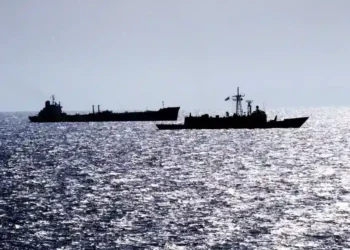
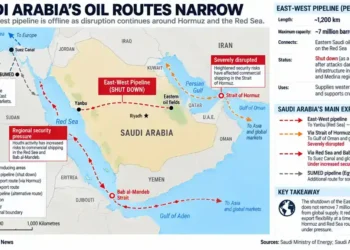
The emerging arrangement carries major international implications because the Strait of Hormuz remains one of the world’s most critical energy corridors, handling a significant share of global oil and liquefied natural gas shipments. Prolonged disruption in the waterway has unsettled energy markets, increased shipping insurance costs, and raised fears of wider economic instability.

Diplomatic Momentum Builds
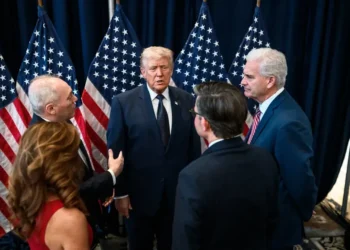
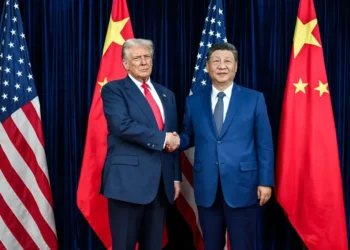
US President Donald Trump said over the weekend that negotiations had been “largely negotiated,” though officials on both sides cautioned that a final agreement has not yet been secured.
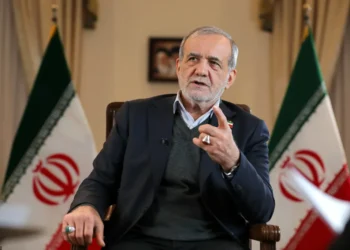
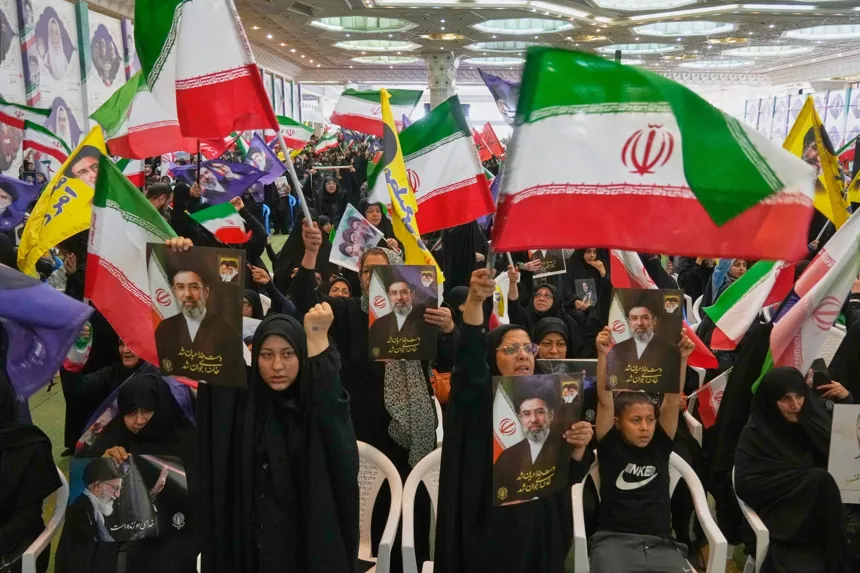
Iranian Foreign Ministry spokesperson Esmaeil Baghaei acknowledged that progress had been made on several issues but stressed that no formal agreement was imminent. Government statements from Tehran also indicated that differences remain over implementation details and guarantees tied to any future accord.
According to regional officials cited in international coverage, the draft framework would include phased reopening of the Strait of Hormuz alongside a gradual reduction of US restrictions affecting Iranian ports and maritime trade.
Nuclear Questions Remain Unresolved
One of the most sensitive elements of the talks concerns Iran’s stockpile of highly enriched uranium and the future of its nuclear activities.
US officials reportedly want Tehran to surrender or transfer enriched uranium reserves as part of a broader security arrangement. However, Iranian authorities have not publicly confirmed acceptance of those conditions. Analysts noted that disagreements surrounding uranium enrichment, inspections, and sanctions relief have historically undermined previous rounds of diplomacy.


Officials familiar with the discussions said proposals under consideration include temporary arrangements that would postpone more difficult long-term disputes while reducing the immediate risk of military escalation.
The talks also reportedly involve questions surrounding Iran’s regional influence and armed groups aligned with Tehran across Lebanon, Iraq, Gaza, and Yemen. International observers say those issues remain among the most politically sensitive components of any potential settlement.
Economic Concerns Shape Negotiations
Global markets reacted positively to signs of diplomatic progress, with oil prices falling sharply amid expectations that shipping routes could stabilize if an agreement is reached. Investors have closely monitored the negotiations because extended disruption in the Gulf region risks worsening inflationary pressures and supply chain instability worldwide.
Energy analysts cautioned, however, that even if shipping traffic resumes, restoring normal commercial flows through the Strait of Hormuz could take months due to security concerns, war-risk insurance costs, and damaged infrastructure.
Political Resistance Persists
The emerging diplomacy has also triggered criticism inside the United States, particularly from Republican lawmakers who argue that any agreement perceived as easing pressure on Tehran could weaken Washington’s leverage.
Some US officials and political allies of the administration warned against allowing Iran to retain enrichment capabilities or receive sanctions relief before compliance mechanisms are fully verified. Others defended continued negotiations as the best opportunity to avoid a prolonged regional conflict.
Despite growing optimism among negotiators, diplomats and analysts continue to warn that the talks remain fragile. Previous attempts to secure ceasefires and interim agreements have faltered over enforcement disputes, regional security concerns, and domestic political pressures in both Washington and Tehran.