The World Health Organization has declared a global health emergency over the growing Ebola outbreak in the Democratic Republic of Congo and neighboring Uganda after suspected infections and deaths surged across multiple regions.
The emergency designation, officially known as a Public Health Emergency of International Concern, follows mounting concern over the spread of the rare Bundibugyo strain of Ebola, which currently has no approved vaccine or targeted treatment. International health officials warned that cross-border transmission, delayed detection and ongoing conflict in eastern Congo have significantly increased the risk of wider regional spread.
According to the WHO and Africa Centres for Disease Control and Prevention, more than 300 suspected cases and at least 88 deaths have been reported, with the overwhelming majority concentrated in Congo’s Ituri province near the borders with Uganda and South Sudan. Uganda has also confirmed infections in Kampala linked to travelers arriving from Congo.

Rare Ebola Variant Complicates Response
Health authorities said the outbreak is caused by the Bundibugyo virus, one of the less common Ebola strains and only the third time it has been detected in Central Africa.
Unlike the more widespread Zaire Ebola strain, which has approved vaccines and therapies, the Bundibugyo variant lacks established medical countermeasures. WHO officials said the absence of effective vaccines or treatments was a major factor behind the emergency declaration.
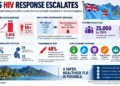
The WHO stated that laboratory-confirmed cases have already been identified in several Congolese health zones, including Bunia, Rwampara and Mongbwalu, while additional suspected cases have emerged in North Kivu province and other urban areas. A confirmed case in Congo’s capital, Kinshasa, has heightened concerns that the outbreak may already be spreading beyond the initial epicenter.
Experts warned that the true scale of the outbreak may be significantly larger than current figures suggest because of weak surveillance systems and delayed reporting.
Conflict and Population Movement Raise Regional Risks
International health agencies said armed conflict and large-scale population movement in eastern Congo are complicating containment efforts.



The affected regions include mining communities and areas where militant violence has disrupted healthcare access for years. According to officials, insecurity has slowed contact tracing operations and limited the ability of emergency teams to isolate suspected infections quickly.
Africa CDC Director-General Jean Kaseya said the outbreak may have begun weeks before authorities formally identified it. By the time health officials were alerted through reports circulating on social media earlier this month, dozens of deaths had already occurred.
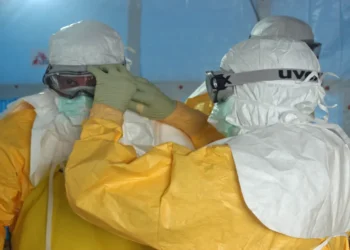
The WHO said several healthcare workers are also believed to have died after developing Ebola symptoms, raising concerns over hospital transmission and shortages of protective equipment.
International Response Intensifies
The WHO emergency declaration is intended to mobilize international funding, medical supplies and technical assistance for the outbreak response.
Global health experts emphasized that the emergency designation does not mean the outbreak has reached pandemic status comparable to COVID-19. However, WHO officials said the combination of cross-border infections, uncertainty over the outbreak’s size and the lack of vaccines makes the situation particularly dangerous.
Emergency teams have been deployed to affected areas, while authorities are increasing border screening, isolation measures and laboratory testing capacity. International agencies are also discussing accelerated research efforts into experimental diagnostics and vaccines for the Bundibugyo strain.
Public health analysts noted that repeated Ebola outbreaks in Central Africa continue to expose major weaknesses in global disease preparedness and healthcare infrastructure across conflict-affected regions.