The United States has halted planned troop deployments to Poland and Germany as part of a broader effort to reduce its military presence in Europe, a move that is raising questions about NATO cohesion and regional security at a time of heightened geopolitical tension.
Strategic Realignment Reshapes US Military Presence
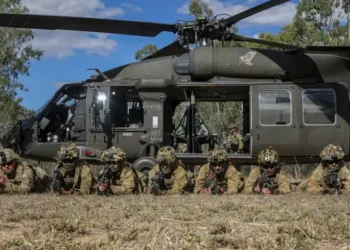
US defense officials said the Pentagon canceled the deployment of thousands of troops, including an armored brigade that had been scheduled to rotate into Poland. According to international reports, the decision is part of a directive to cut approximately 5,000 US troops from Europe, primarily affecting forces linked to Germany.
Officials emphasized that the move halts deployments before troops arrive rather than withdrawing forces already stationed on the continent. Analysts noted this distinction reflects a recalibration of force posture rather than an immediate operational retreat.

Alliance Concerns Grow Across Europe
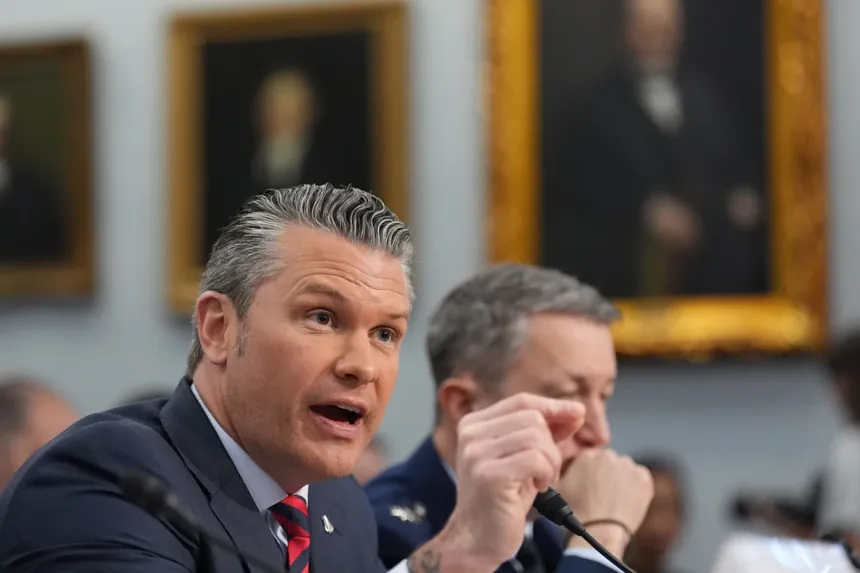
The decision has drawn criticism from lawmakers and raised concerns among European allies, who were reportedly surprised by the abrupt change. Officials in Poland indicated they had received assurances the adjustment was logistical rather than a targeted shift away from Eastern Europe.
However, analysts warn that the lack of consultation and clarity could strain relations within NATO. Some experts noted that such moves risk sending mixed signals about US commitment to collective defense, particularly along the alliance’s eastern flank.
Political Tensions Influence Defense Policy
Government statements and diplomatic sources suggest the troop reduction aligns with broader tensions between Washington and European allies. Disputes over security priorities and international conflicts, including the Iran crisis, have contributed to a widening policy gap.
According to officials, the drawdown returns US troop levels in Europe closer to those seen before Russia’s full-scale invasion of Ukraine, a shift that could alter the strategic balance in the region.
Operational Disruptions Highlight Coordination Challenges
Military officials said the decision disrupted ongoing deployment preparations, with some troops already mobilized and equipment transported to European ports before the cancellation.



Lawmakers from both political parties criticized the move, citing insufficient communication and oversight. Analysts noted that such disruptions may affect readiness and complicate future rotations of US forces in Europe.
NATO Maintains Deterrence Amid Uncertainty
Despite concerns, NATO officials have sought to reassure members that the alliance’s defense posture remains intact. Government statements indicate that rotational forces are not central to NATO’s formal deterrence plans, and existing troop levels continue to support regional security.
Still, experts caution that sustained uncertainty over US commitments could gradually erode trust within the alliance, particularly as security challenges in Eastern Europe persist.