The lifting of the Army pilots’ suspension after a helicopter flyby near Kid Rock’s Nashville-area home has quickly become a story about celebrity proximity to political power and the public image of military discipline. What began as a routine aviation review escalated into a wider cultural and media flashpoint after Defense Secretary Pete Hegseth publicly ended the matter, declaring there would be no punishment or investigation.
The decision matters beyond the initial flyby itself because it places a spotlight on how military conduct, celebrity influence, and political symbolism increasingly intersect in the U.S. media environment. With Kid Rock long positioned as a prominent ally of Donald Trump, the incident rapidly moved from local curiosity to a nationally discussed entertainment-political crossover story.
Celebrity-Politics Optics Drive the Story
The dominant entertainment angle is not the helicopter maneuver alone, but Kid Rock’s continued role as a culture-war celebrity figure whose public image blends music fame with political access.

Video posted by the artist showed two AH-64 Apache helicopters hovering beside his pool as he applauded and saluted. The imagery—complete with a replica Statue of Liberty and signage referencing his “Southern White House” estate—fed directly into the carefully cultivated symbolism surrounding his public persona.
For entertainment industry observers, the incident reinforces how Kid Rock’s brand remains tied less to current chart performance and more to political theater, visual spectacle, and media virality. That positioning has kept him culturally relevant across news cycles that extend well beyond music releases.
Media Industry Impact and Cultural Visibility
From a newsroom perspective, the episode demonstrates how celebrity-owned spaces can become stages for larger national narratives.
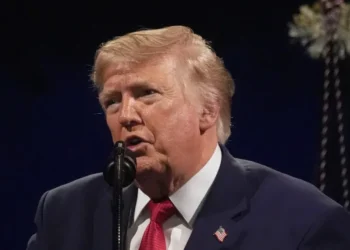
Rather than functioning as a conventional celebrity-news item, the story evolved into a broader discussion about optics, military professionalism, and the power of symbolic association. Trump’s own remarks from the Oval Office, where he suggested the crews “maybe” should not have done it while also expressing support for Kid Rock, only deepened the story’s crossover appeal between politics coverage and entertainment reporting.
This kind of story performs strongly across digital publishing because it merges:



- recognizable celebrity branding
- visual social media content
- institutional authority figures
- ideological symbolism
That combination gives it unusually high traction across entertainment, politics, and culture desks.
Career Context: Brand Identity Over Music Cycle
Kid Rock’s enduring visibility increasingly stems from persona management rather than traditional release-driven publicity.
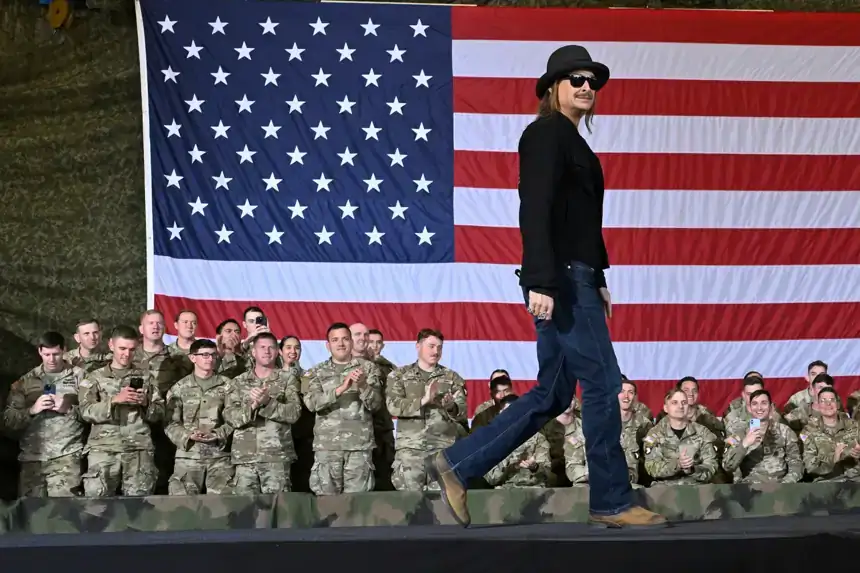
While many artists remain in the news through tours, album campaigns, or streaming milestones, Kid Rock’s relevance frequently emerges through appearances tied to political events, military support messaging, or culturally polarizing visuals. This latest episode fits that long-running career strategy, keeping his name active in national conversation without a direct entertainment product launch.
The commercial significance lies in brand persistence: even absent a new album or tour announcement, Kid Rock remains highly searchable, highly shareable, and consistently positioned within politically charged media ecosystems.