Journos News - Breaking News, World News, Top Stories, Todays Headlines and Flash Reports
Tuesday, September 1, 2026
  • Login
  • Home
  • World
    • Africa
    • Americas
    • Asia
    • Europe
    • Middle East
    • Oceania
  • Politics
  • Business
  • Technology
  • Health
  • Science
  • Sports
  • Entertainment
  • Culture
No Result
View All Result
  • Home
  • World
    • Africa
    • Americas
    • Asia
    • Europe
    • Middle East
    • Oceania
  • Politics
  • Business
  • Technology
  • Health
  • Science
  • Sports
  • Entertainment
  • Culture
No Result
View All Result
Journos News - Breaking News, World News, Top Stories, Todays Headlines and Flash Reports
No Result
View All Result
Home Health

FDA Supplement Regulation Debate Intensifies as Industry Pushes Peptide Approval

Policy shifts could expand supplement ingredients beyond traditional food-based sources

The Daily Desk by The Daily Desk
March 27, 2026
in Health, Public Health & Safety
0
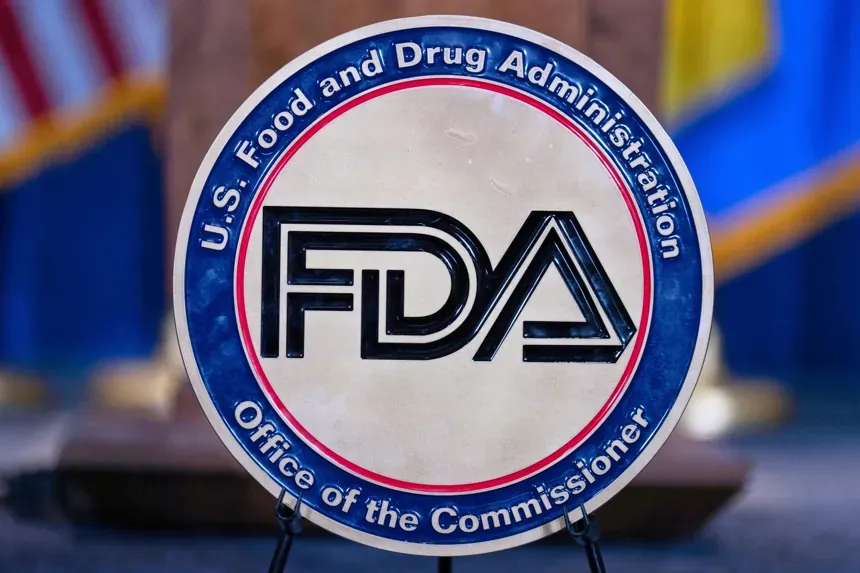
FDA headquarters linked to supplement regulation debate over peptides - AP Photo/Jose Luis Magana, File

U.S. regulators review expanding supplement ingredient definitions amid safety concerns - AP Photo/Jose Luis Magana, File

The debate over FDA supplement regulation is intensifying as U.S. health authorities weigh whether to broaden the definition of permissible dietary ingredients. The move, strongly backed by industry groups, could reshape oversight of peptides and other emerging compounds increasingly marketed in wellness products.

According to The Associated Press, the U.S. Food and Drug Administration (FDA) convened a public meeting to examine whether its long-standing framework—limiting supplements to substances derived from food, herbs, and vitamins—should be revised. The outcome could have implications for consumer safety, regulatory authority, and the rapidly expanding global supplement market.

Public health experts say the discussion reflects a broader tension between innovation in consumer health products and the need for evidence-based oversight, particularly as newer compounds enter markets without robust clinical validation.

Regulatory Boundaries Face Industry Pressure

The current FDA supplement regulation framework defines dietary supplements as a category of food, restricting ingredients to those historically consumed as part of the human diet. This definition has come under strain as manufacturers introduce compounds such as peptides and novel probiotics that do not meet traditional criteria.

Peptides—chains of amino acids often described as drug-like—are increasingly marketed for muscle growth, anti-aging, and injury recovery. However, health authorities note that clinical evidence supporting these claims remains limited, with many products lacking rigorous human trials.

Industry representatives argue that the statutory language governing supplements does not explicitly require ingredients to originate from food. According to AP News, some companies are calling on regulators to reinterpret the law to accommodate newer substances, citing regulatory ambiguity and commercial uncertainty.

An analytical review of this position suggests that expanding definitions without parallel evidence requirements could complicate enforcement and increase variability in product safety standards.

Safety Oversight Gaps Raise Public Health Concerns

Unlike pharmaceuticals, dietary supplements are not subject to pre-market approval by the U.S. Food and Drug Administration. Manufacturers are responsible for ensuring product safety and accurate labeling, a system that public health researchers have long criticized as insufficient.

■ Related News

Colorized scanning electron micrograph showing Ebola virus particles budding from an infected African green monkey kidney cell at 20,000× magnification.

Ebola Deaths Surpass 1,700 in Eastern Congo as Outbreak Outpaces Containment Efforts

August 5, 2026
Microscopic image showing Cyclospora cayetanensis oocysts in a stained stool sample used for laboratory diagnosis of cyclosporiasis.

US Health Officials Investigate New Cyclospora Outbreak as 72 Illnesses Reported

July 24, 2026
Locator map showing the Ebola outbreak centered in Ituri Province, Democratic Republic of the Congo, with affected provinces and neighboring countries.

Congo’s Ebola Outbreak Surpasses 1,000 Deaths as Conflict and Limited Resources Hamper Response

July 24, 2026
Health workers respond to the Ebola outbreak in the Democratic Republic of the Congo. - AP Photo/Dirole Lotsima Dieudonne

Ebola Death Toll in Congo Reaches 600 as Suspected Cases Spread to New Provinces

July 10, 2026

With more than 100,000 products estimated to be in circulation, the absence of centralized review raises concerns about inconsistent quality, unverified claims, and potential adverse effects. Some experts warn that introducing novel bioactive compounds—such as peptides—without stricter oversight could amplify these risks.

Former regulators cited by AP News have argued that current rules already allow broad “structure and function” claims that can imply health benefits without demonstrating clinical efficacy. This regulatory gap may become more pronounced if ingredient eligibility is expanded.

From a policy perspective, the debate highlights the challenge of balancing consumer access with safeguards against misleading or unsupported health claims.

Political Alignment Shapes Regulatory Direction

The policy discussion is unfolding amid shifting political leadership in U.S. health agencies. Robert F. Kennedy Jr. has publicly expressed support for peptides and pledged to ease regulatory constraints on certain supplement categories.

According to AP reporting, several figures within the current health policy ecosystem have professional or financial ties to the supplement industry. These relationships have drawn scrutiny from public health advocates concerned about potential conflicts of interest.

Analysts note that regulatory reinterpretation could be influenced not only by legal arguments but also by broader political priorities, including deregulation and consumer choice initiatives.

This intersection of policy and industry interests underscores the importance of transparent decision-making processes, particularly when public health implications are significant.

Legal Uncertainty Adds Pressure on Regulators

The debate is further complicated by evolving legal standards governing federal agency authority. A 2024 U.S. Supreme Court decision, referenced in AP coverage, curtailed the ability of agencies to broadly interpret statutes without explicit congressional direction.

Industry groups have signaled that they may challenge the FDA in court if regulatory definitions are not expanded. Legal experts suggest that this could test the boundaries of administrative authority in health regulation, potentially reshaping how agencies oversee emerging product categories.

From a global health governance perspective, the outcome may influence regulatory approaches in other jurisdictions, particularly in markets where U.S. standards often serve as a reference point.

Global Health Context and Market Implications

The supplement industry represents a multi-billion-dollar global market, with rapid growth driven by consumer demand for wellness products. Regulatory changes in the United States could have ripple effects internationally, affecting trade, product standards, and consumer perceptions.

While innovation in nutrition and health products continues to accelerate, public health authorities emphasize the need for evidence-based frameworks that distinguish between food, supplements, and therapeutic agents.

Further study is required to assess the long-term safety and efficacy of emerging compounds such as peptides, particularly when marketed to broad populations without medical supervision.


Tags: #BiotechPolicy#ConsumerSafety#FDA#FDASupplementRegulation#GlobalHealth#HealthcarePolicy#HealthOversight#HealthRegulation#MedicalResearch#Peptides#PublicHealthPolicy#WellnessIndustry
The Daily Desk

The Daily Desk

The Daily Desk is a contributor at JournosNews.com covering politics, media, governance, and the evolving dynamics of public discourse. Stories published under this byline are produced in accordance with JournosNews' editorial standards, with an emphasis on verified reporting, accuracy, context, and impartiality.

Related Posts

Residents receive medical care at a mobile clinic in earthquake-hit La Guaira, Venezuela. - AP Photo/Ariana Cubillos

Chronic Illness and Disease Surge Among Venezuela Earthquake Survivors as Humanitarian Crisis Deepens

July 10, 2026
Healthcare workers at an Ebola treatment center during Congo clinical trial - AP Photo/Moses Sawasawa, File

WHO Launches Clinical Trial of Two Ebola Treatments as Congo’s Bundibugyo Outbreak Grows

July 3, 2026
Medical staff work inside a Cuban hospital amid healthcare shortages. - AP Photo/Ramon Espinosa

Cuba’s Healthcare System Faces Deepening Strain as Energy Shortages Disrupt Medical Care

July 3, 2026
New Jersey State House as lawmakers approve Medicaid employer fee policy - AP Photo/Seth Wenig, File

New Jersey Targets Employers With New Medicaid Fee as Other States Consider Similar Policies

July 2, 2026
Alibaba headquarters linked to U.S. settlement over illegal online product sales. - AP Photo/Mark Schiefelbein, File

Alibaba Agrees to Pay $600 Million to Settle U.S. Allegations Over Illegal Product Sales

July 2, 2026
Medical workers treat earthquake survivors at a hospital in Caracas - AP Photo/Matias Delacroix

Venezuela Earthquake Aftermath Raises Fears of Escalating Health Emergency

July 2, 2026
Health workers respond to Ebola outbreak in eastern Democratic Republic of the Congo - AP Photo/Moses Sawasawa

Congo’s Ban on Public Gatherings Draws Criticism as Ebola Outbreak Intensifies

July 1, 2026
Healthcare workers discuss HIV program funding challenges in South Africa - AP Photo/Themba Hadebe, File

South African Groups Warn HIV Prevention Efforts Face Setbacks as U.S. Funding Ends

June 24, 2026
Load More
Next Post
Oil price surge impacts global stock markets and investor sentiment - AP Photo/Seth Wenig

Global Equities Slide as Oil Surge Deepens Market Strain on Iran Conflict Risks

Shohei Ohtani Dodgers jersey leading MLB sales before opening day - AP Photo/Mark J. Terrill

Shohei Ohtani Tops MLB Jersey Sales Again Ahead of 2026 Opening Day

JournosNews logo

Journos News delivers globally neutral, fact-based journalism that meets international media standards — clear, credible, and made for a connected world.

  • Categories
  • World News
  • Politics
  • Business & Markets
  • Technology
  • Health
  • Science
  • Sports
  • Arts & Culture
  • Resources
  • Editorial Standards
  • Submit a Story
  • Advertise with Us
  • Syndication & Partnerships
  • Site Map
  • Press & Media Kit
  • Editorial Team
  • Careers

Join thousands of readers receiving the latest updates, tips, and exclusive insights straight to their inbox. Never miss an important story again.

  • About Us
  • Editorial & Trust Center
  • Contact Us
  • Privacy Policy
  • Terms of Use & Copyright Notice

© JournosNews.com All rights reserved.

Welcome Back!

Login to your account below

Forgotten Password?

Retrieve your password

Please enter your username or email address to reset your password.

Log In
JournosNews

Independent Journalism.
Verified Facts.

You're about to read a professionally edited article from JournosNews.com.

Every article is produced in accordance with our editorial standards, emphasizing factual accuracy, transparent attribution, fairness, editorial independence, and meaningful context.

Editorial Standards
No Result
View All Result
  • Home
  • World
    • Africa
    • Americas
    • Asia
    • Europe
    • Middle East
    • Oceania
  • Politics
  • Business
  • Technology
  • Health
  • Science
  • Sports
  • Entertainment
  • Culture

© JournosNews.com All rights reserved.

This website uses cookies. By continuing to use this website you are giving consent to cookies being used. Visit our Privacy and Cookie Policy.