Last updated:
Friday, March 13, 2026 | 01:30 UTC
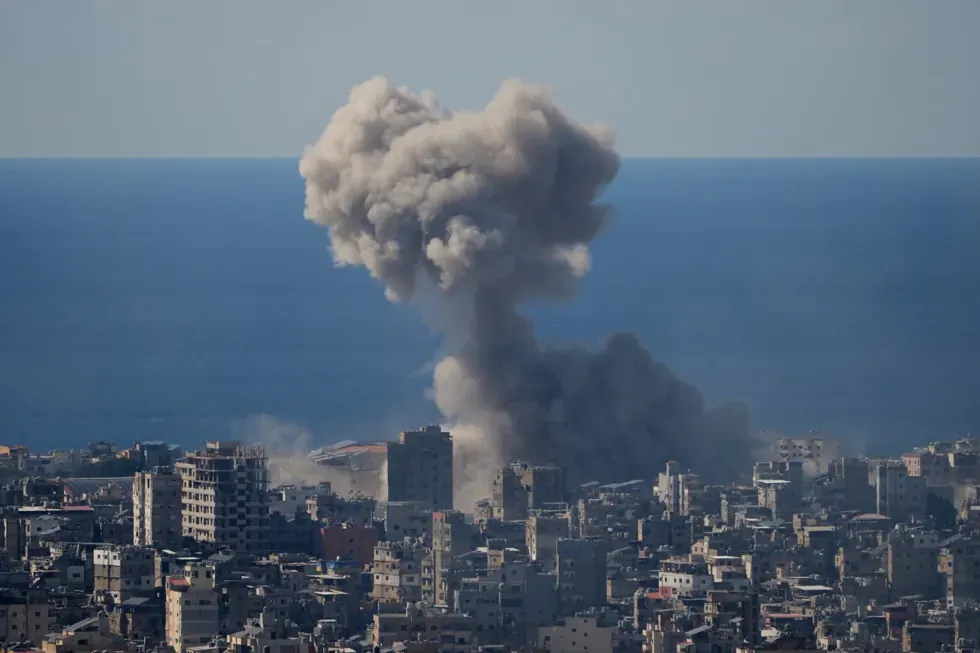
The Israel–Iran war continues to generate rapid developments across the Middle East, with military exchanges, economic disruption and diplomatic reactions reported throughout the region. The conflict began after coordinated U.S. and Israeli strikes on Iranian military and nuclear infrastructure on Feb. 28, prompting Iranian missile and drone retaliation across several countries.
This live tracker compiles verified updates reported by the Associated Press and official statements from governments and military authorities. Newest updates appear first.

01:30 UTC — Oil Markets Remain Volatile Amid Regional Conflict
Energy traders continued monitoring the conflict as oil prices hovered near $100 per barrel amid concerns about disruption to shipping routes in the Gulf.
Analysts said instability around the Strait of Hormuz remains a key factor affecting global markets.
01:20 UTC — Iranian Leadership Signals Continued Military Campaign
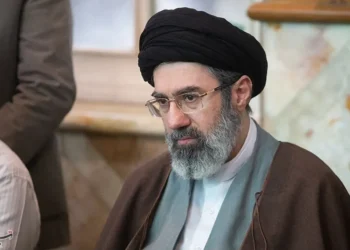
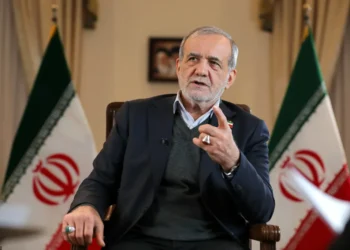
Iran’s new supreme leader Mojtaba Khamenei signaled that Tehran will continue attacks against its adversaries, according to Iranian state media.
He warned that the country could use control of the Strait of Hormuz as leverage in the ongoing conflict.
01:10 UTC — Regional Governments Heighten Security Measures
Several Middle Eastern governments have increased military readiness as the conflict continues to expand.


Authorities said air defense systems and maritime patrols have been strengthened in response to missile and drone threats.
01:00 UTC — Humanitarian Groups Warn of Growing Civilian Impact
International humanitarian organizations warned that civilian casualties and displacement are increasing as the war continues.
Aid groups said millions of civilians across the region have been affected by the expanding conflict.
00:50 UTC — Shipping Disruptions Continue in Persian Gulf
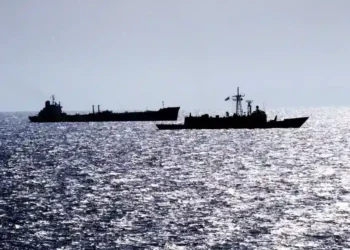
Maritime authorities reported continued disruptions to commercial shipping routes in the Persian Gulf.
Insurers have increased risk premiums for vessels operating near the Strait of Hormuz due to the ongoing fighting.
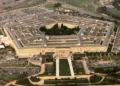
00:40 UTC — Pentagon Reviews War Costs and Military Spending
U.S. defense officials briefed lawmakers that the first week of operations against Iran cost approximately $11.3 billion, according to a person familiar with the briefing.
00:30 UTC — Rescue Efforts Continue After U.S. Refueling Aircraft Crash
Rescue operations are underway after a U.S. military refueling aircraft went down in western Iraq during operations related to the conflict.
U.S. Central Command said the incident involved two aircraft and was not caused by hostile fire.
00:20 UTC — Israeli Airstrikes Reported in Lebanon
Israeli forces conducted additional airstrikes in southern Lebanon following rocket attacks from Hezbollah-controlled areas, according to regional officials.
The escalation raised concerns that fighting could spread further along Israel’s northern border.
00:10 UTC — Global Stock Markets React to War Developments
Global markets showed increased volatility as investors reacted to continued fighting and rising energy prices.
Financial analysts warned that prolonged conflict could disrupt international trade and supply chains.
00:00 UTC — Military Operations Continue Across Multiple Fronts
U.S. and Israeli forces continued air and missile operations targeting Iranian military infrastructure.
Iranian forces have responded with missile launches and drone attacks across the region.
Additional Earlier Updates
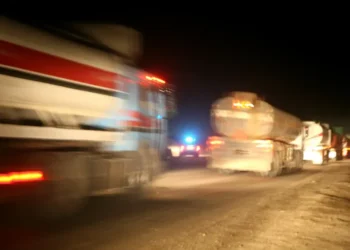
23:50 UTC — Oil Tanker Incident Reported Near Basra
Authorities reported an attack near Iraq’s Basra port that halted operations at several oil terminals.
23:40 UTC — Iranian Retaliatory Strikes Continue
Iranian forces launched missile and drone attacks targeting regional infrastructure.
23:30 UTC — Hezbollah Rockets Target Northern Israel
Hezbollah fighters launched rockets into northern Israel, prompting Israeli air defense responses.
23:20 UTC — Israeli Military Targets Missile Sites
Israeli military officials said strikes targeted Iranian missile infrastructure.
23:10 UTC — Global Oil Prices Reach $100 Per Barrel
Energy markets surged as traders reacted to the growing conflict.
23:00 UTC — International Calls for De-Escalation
Diplomatic officials from several countries urged restraint and negotiations.
22:50 UTC — Iranian Missile Units Reported Active
Military officials reported movement of Iranian missile units in several locations.
22:40 UTC — Israeli Defense Systems Activated
Israeli authorities said air defense systems intercepted incoming projectiles.
22:30 UTC — Lebanon Reports Casualties From Airstrikes
Lebanese officials reported casualties following Israeli strikes in southern Lebanon.
22:20 UTC — Airspace Restrictions Expand Across Region
Multiple countries imposed new aviation restrictions amid security concerns.
22:10 UTC — Drone Attacks Reported Near Gulf Infrastructure
Regional authorities reported attempted drone strikes targeting infrastructure.
22:00 UTC — U.S. Navy Monitors Maritime Security
U.S. naval forces increased patrols around key shipping lanes.
21:50 UTC — Oil Infrastructure Placed on High Alert
Energy companies raised security levels at facilities across the Gulf.
21:40 UTC — Civil Defense Authorities Issue Alerts
Emergency services in several countries issued warnings to residents.
21:30 UTC — Financial Markets Show Increased Volatility
Investors reacted to escalating tensions in the Middle East.
21:20 UTC — International Airlines Adjust Flight Routes
Airlines diverted flights to avoid conflict zones.
21:10 UTC — Refugee Numbers Increase Across Region
Authorities reported increasing displacement due to the fighting.
21:00 UTC — United Nations Calls for Restraint
UN officials urged all sides to pursue diplomatic solutions.
What We Know
U.S. and Israeli forces have conducted thousands of strikes on Iranian targets.
Iran has responded with missile and drone attacks across the region.
Oil prices surged above $100 amid fears of shipping disruptions.
Maritime traffic through the Strait of Hormuz has been affected.
The war has displaced civilians across several countries.
Background
The conflict escalated after coordinated U.S. and Israeli strikes targeted Iranian military infrastructure and nuclear facilities in late February 2026. Iran responded with missile attacks against Israel and U.S. bases in Gulf countries, widening the conflict across the Middle East.