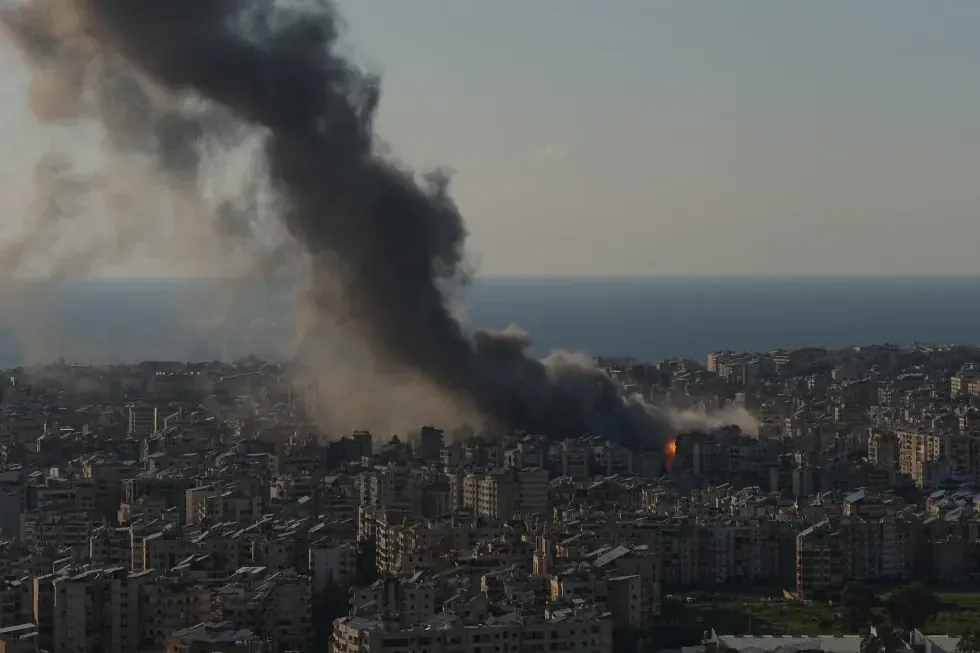
DUBAI, United Arab Emirates (JN) – The widening Iran conflict has shifted decisively toward energy infrastructure, transforming a military campaign into a strategic contest over the world’s most critical supply corridors. As first reported by The Associated Press, U.S. President Donald Trump signaled that joint U.S.–Israeli operations against Iran could last “four to five weeks,” with the option of extending further.
That timeframe has sharpened market anxiety. Energy facilities, export terminals and maritime chokepoints are now being tested in ways that suggest the conflict’s center of gravity is no longer confined to missile exchanges, but to economic leverage.
With casualties mounting across Iran, Israel and parts of the Gulf, the escalation has begun to strain regional deterrence structures that underpin global energy flows.

Strategic Energy Hubs Draw Direct Fire
Iranian-linked attacks and retaliatory strikes have expanded toward core Gulf infrastructure. Saudi Arabia’s Ras Tanura refinery—one of the kingdom’s primary export facilities—was targeted by drones, according to the state-run Saudi Press Agency. Saudi defenses intercepted the aircraft, but the attempt marked a direct challenge to production capacity exceeding half a million barrels per day.
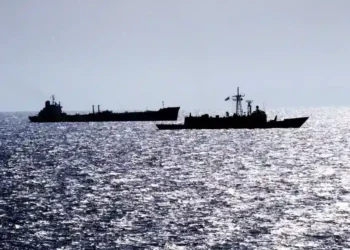
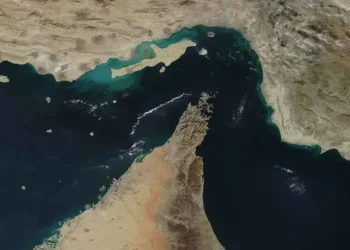
Maritime security has also deteriorated in the Strait of Hormuz, the narrow corridor through which roughly one-fifth of globally traded oil transits. Several vessels reported attacks in recent days, underscoring the vulnerability of shipping lanes long viewed as the backbone of Gulf energy exports.
Qatar announced that its air force had downed two Iranian Sukhoi Su-24 aircraft, an indication that state-to-state engagement is deepening beyond proxy actors.
Each strike broadens the risk perimeter. The conflict is no longer only about degrading missile stockpiles; it is increasingly about testing the resilience of global supply chains.
Gas Markets Absorb Immediate Shock
The commercial fallout was swift. QatarEnergy said it would suspend liquefied natural gas production, removing one of the world’s largest LNG exporters from the market without providing a timeline for resumption. European gas prices surged by roughly 40% in response, reflecting fears of sustained supply disruption.
■ Related News



Long-haul carriers based in the Gulf—including Emirates and Etihad Airways—temporarily grounded flights before cautiously restarting limited operations. Aviation disruption added to broader logistical strain, leaving hundreds of thousands of passengers stranded worldwide.
Energy analysts warn that even temporary suspensions can ripple outward. Insurance premiums for shipping are climbing, and traders are reassessing exposure to Gulf-origin cargoes. The cumulative effect suggests that markets are pricing not just immediate damage, but sustained instability.
Nuclear Infrastructure Reenters the Equation
Iran’s ambassador to the International Atomic Energy Agency, Reza Najafi, told reporters that airstrikes targeted the Natanz nuclear enrichment facility. Washington and Jerusalem have not publicly confirmed strikes on that specific site, though Israel has stated it is targeting “leadership and nuclear infrastructure.”
Tehran maintains its nuclear program is peaceful. However, the reintroduction of enrichment sites into active targeting calculus signals that the campaign retains a strategic deterrence dimension beyond energy corridors.
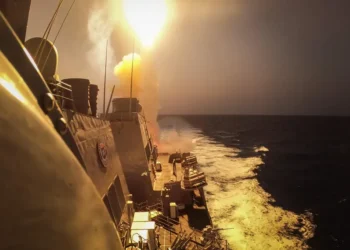
Defense Secretary Pete Hegseth said the United States is not pursuing a nation-building effort and described the mission as limited. Yet the operational scope—B-2 bomber strikes on ballistic missile facilities and reported destruction of Iranian naval assets—suggests a broader objective of degrading Iran’s capacity to project power across the Gulf.
Regional Proxies Test Secondary Fronts
The conflict has also reignited activity by Iran-aligned actors. Hezbollah fired missiles toward Israel, citing the killing of Iranian Supreme Leader Ali Khamenei as justification. Israel responded with strikes in Lebanon, including operations targeting financial branches alleged to support Hezbollah’s military wing.
In Iraq, the militia Saraya Awliya al-Dam claimed drone attacks on U.S. positions near Baghdad’s airport and a northern air base. Though damage assessments remain limited, the actions underscore the layered nature of Iran’s regional network.
Each additional front complicates the security equation for Gulf states and international partners. What began as direct strikes between state actors now risks drawing in secondary arenas tied to energy logistics and maritime security.
Tehran’s Internal Security Tightens
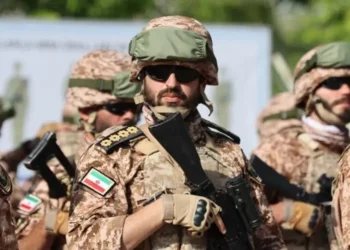
Inside Iran, reports indicate that the paramilitary Basij force has established checkpoints across Tehran as airstrikes continue. Streets in the capital have reportedly emptied during bombardment periods.
The death toll has risen on all sides. Iranian authorities say hundreds have been killed in U.S.-Israeli strikes, while Israeli officials report fatalities from missile attacks. Civilian losses in Lebanon and the Gulf states further illustrate the conflict’s expanding humanitarian footprint.
Despite speculation about internal political shifts, there have been no verified signs of organized uprising within Iran. Tehran’s top security official, Ali Larijani, stated on social media that negotiations with the United States are not under consideration.
Global Powers Edge Toward Coordinated Response
Britain, France and Germany signaled readiness to work with Washington to curb Iranian missile and drone activity. Their involvement reflects concern that sustained attacks on Gulf infrastructure could destabilize not only regional economies but also European energy security.
The strategic question now is durability. If operations extend for weeks—as indicated by President Trump—energy markets may face prolonged volatility. The longer export corridors remain under threat, the greater the risk that insurers, shippers and refiners recalibrate away from Gulf exposure.
The conflict’s trajectory increasingly hinges not solely on battlefield outcomes but on whether energy arteries can remain operational under fire. For global markets, that distinction may prove decisive.