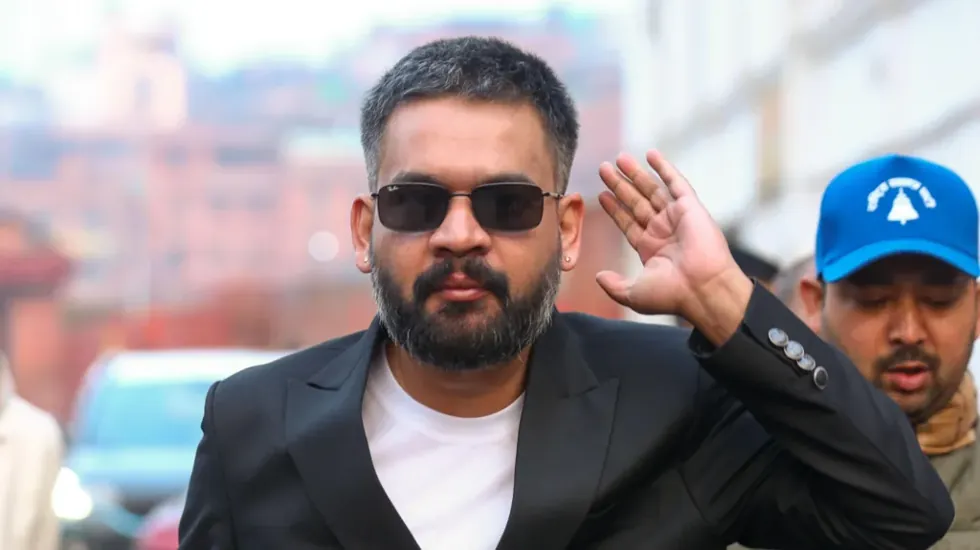
Nepal’s general election has evolved into a referendum on generational change, with the so-called “Gen Z movement” reshaping a political landscape long dominated by veteran leaders. At the center of the contest is the Nepal Gen Z election dynamic — a clash between former prime minister KP Sharma Oli and rapper-turned-mayor Balendra Shah, known widely as Balen.
The campaign has unfolded against the backdrop of deadly anti-corruption protests last September that led to Oli’s resignation. Seventy-seven people were killed during unrest that began with anger over a social media ban and widened into broader demonstrations over corruption and economic opportunity. Many of those killed were young protesters shot by police, according to officials and rights groups cited in domestic reporting.
With more than 915,000 first-time voters and nearly 19 million eligible voters nationwide, this vote represents one of the most consequential electoral tests since Nepal’s transition to a federal democratic republic in 2008.

Protest Legacy Turns Ballot Into Reckoning
The protests reshaped the political environment rather than fading into memory. At rallies in Chitwan district, Shah’s supporters chant slogans denouncing “fake leaders” and call for an end to decades of political recycling. Many say their support is rooted in last year’s unrest.
Nepal’s youth unemployment rate stands at 20.6%, among the highest in South Asia, according to World Bank data. Shah has centered his campaign on job creation and economic reform, arguing that younger leaders are better positioned to address stalled growth and outward migration of labor.
For three decades, successive coalition governments have struggled to complete full terms. Power has largely rotated among the Communist Party of Nepal (Unified Marxist–Leninist), the Communist Party of Nepal (Maoist Centre), and the Nepali Congress. Analysts say frustration with this cycle has amplified the appeal of political newcomers.
A Direct Challenge to a Political Stronghold
Shah, 35, is contesting directly against Oli in Jhapa-5, a constituency long considered a safe seat for the former prime minister. The head-to-head battle has transformed what might have been a routine race into a symbol of generational confrontation.
Oli, who leads the Unified Marxist–Leninist party, retains a broad grassroots network and longstanding support among older voters. At campaign events, he has pledged to strengthen sovereignty, peace and democratic stability. He has also suggested that last year’s protests may have been influenced by outside forces, though no evidence has been publicly presented to substantiate those claims.
■ Related News



Political analysts note that Oli’s organizational strength remains significant, even after his resignation. But they also acknowledge that the memory of lethal force used during protests continues to shape voter sentiment, particularly among young people.
A Candidate Built on Digital Reach, Facing Scrutiny
Shah’s rise reflects a different model of political engagement. He has relied heavily on social media to communicate with supporters and has largely avoided traditional press conferences. That approach has helped mobilize young voters but has drawn criticism from opponents who argue it shields him from detailed scrutiny.
As mayor of Kathmandu, Shah was praised by some for efforts to enforce urban regulations but criticized by rights groups for alleged heavy-handed policing against street vendors. His campaign has not publicly addressed those concerns during the national race.
The party backing Shah, the Rastriya Swatantra Party, emerged as a new force in the 2022 general election, finishing fourth. The current contest marks its most significant test yet, as it attempts to convert protest momentum into national power.
A System Under Strain
Nepal’s political instability has been persistent. Governments have frequently collapsed before completing terms, and coalition bargaining has become routine. The election therefore carries implications beyond individual seats.
A victory for Shah would mark the first time in many years that a government or coalition could emerge without a communist party at its core. Such a shift would represent a structural break from established political arrangements.
For Oli, the election offers an opportunity to reaffirm the durability of established party machinery. For Shah and his supporters, it is a chance to demonstrate that street protests can translate into electoral transformation.
Generational Test With Regional Echoes
Recent elections in South Asia have also reflected youth-led mobilization and anti-corruption themes. In Nepal, however, the scale of last year’s unrest — and the number of casualties — has given the current vote a sharper edge.
The Nepal Gen Z election has become a test of whether younger voters can extend their influence beyond protest movements into sustained political leadership. The outcome will determine not only who governs but also whether Nepal’s entrenched political rotation gives way to a new generation’s priorities.
Whatever the result, the election underscores a deeper shift: youth participation is no longer peripheral to Nepal’s politics. It is now central to the national conversation about governance, accountability and economic opportunity.