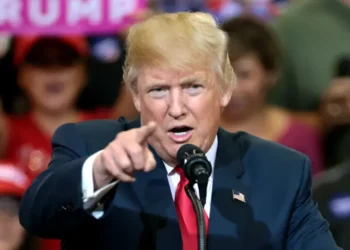
The removal of a planned segment on deportations from 60 Minutes has triggered a high-profile editorial dispute within CBS News, raising international concerns about media independence and political pressure in the United States. The decision, made shortly before broadcast, comes amid heightened scrutiny of reporting on immigration policies linked to Donald Trump.
The controversy centers on a report examining deportees sent to a high-security prison in El Salvador, an issue with implications for international human rights standards and bilateral relations. The segment’s withdrawal has drawn attention beyond the US, with analysts noting its relevance to global debates over press freedom and state influence on journalism.
Media Independence Under Scrutiny
According to reporting from The Associated Press, the decision to pull the segment was taken by CBS News editor-in-chief Bari Weiss, who said the report required further development before airing. The move followed internal disagreements over whether the story met editorial standards, particularly regarding efforts to secure responses from US government officials.

Correspondent Sharyn Alfonsi, who led the reporting, argued internally that the segment had undergone rigorous fact-checking and legal review. She raised concerns that withholding publication due to a lack of official comment could set a precedent limiting investigative journalism, especially in politically sensitive cases.
The dispute highlights tensions within major news organizations when reporting intersects with government accountability, a dynamic closely monitored by international press freedom groups.
Political Context and International Implications
The editorial clash unfolds against a backdrop of strained relations between major media outlets and the Trump administration. 60 Minutes has previously been a frequent target of criticism from Trump, particularly over its coverage during election cycles and his second term in office.
Media analysts cited by international outlets including BBC News note that disputes of this nature can have wider implications, potentially shaping perceptions of journalistic independence in democratic systems. The issue is especially sensitive given the global role of US media in setting reporting standards.
At the center of the disputed report is the detention facility in El Salvador, which has drawn scrutiny from human rights observers. The case underscores how domestic editorial decisions can intersect with international concerns, including migration policy and treatment of detainees abroad.
■ Related News



Editorial Standards Versus Access to Power
Weiss indicated that additional reporting was needed to differentiate the segment from prior coverage by outlets such as The New York Times. She emphasized the importance of securing on-record participation from key officials, arguing that this is essential for high-impact investigative journalism.
However, critics within the newsroom contend that requiring official cooperation risks enabling governments to influence coverage by withholding comment. This tension reflects a broader global challenge faced by journalists covering powerful institutions.
The disagreement also highlights evolving editorial strategies in legacy media organizations adapting to political polarization and increased scrutiny of their reporting practices.
Strategic Stakes for Global Media Credibility
The dispute comes at a time when trust in media institutions is under pressure worldwide. Observers note that editorial decisions within prominent US outlets can have ripple effects, influencing both international perceptions and domestic confidence in news organizations.
Past tensions between Donald Trump and major broadcasters, including legal disputes and public criticism, provide important context for the current situation. These dynamics continue to shape the operating environment for journalists covering politically sensitive topics.
While CBS News has indicated that the segment may still air after further reporting, the episode underscores the delicate balance between editorial rigor and independence.
Looking ahead, the outcome of this internal dispute may influence how global media organizations navigate similar challenges, particularly when reporting on contentious government policies with international implications.