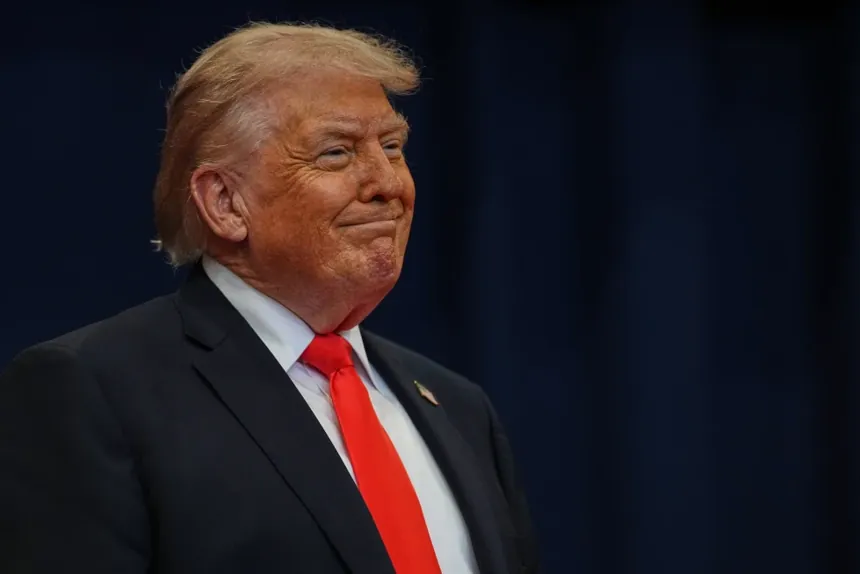
The planned withdrawal of approximately 5,000 US troops from Germany marks a significant shift in Washington’s military posture in Europe, with implications for NATO cohesion and regional security. The move, tied to policy signals from Donald Trump, reflects renewed debate over burden-sharing within the alliance and the future of US deployments on the continent.
Officials familiar with the plan told The Associated Press that the reduction is expected to take place over the next six to twelve months, potentially reshaping operational dynamics across key NATO installations in Germany. The repositioning could involve relocating some forces to other allied countries while returning others to the United States.
Strategic Realignment Raises Questions for NATO
The withdrawal underscores a broader strategic recalibration in US defense policy, with Washington seeking to reassess its global military footprint. Analysts note that Germany has long served as a logistical hub for US operations in Europe, the Middle East, and Africa, making any troop reduction a matter of alliance-wide concern.

Speaking in recent remarks, German Chancellor Friedrich Merz emphasized the importance of continued transatlantic cooperation, warning that sudden shifts could weaken deterrence capabilities at a time of heightened geopolitical tension. Reporting from BBC News indicates that European officials are seeking clarification on whether the move reflects a temporary adjustment or a longer-term policy shift.
Diplomatic Pressure Builds Over Defense Commitments
The troop withdrawal plan revives longstanding tensions between Washington and European allies over defense spending. The US administration has repeatedly called on NATO members to meet agreed targets for military expenditure, arguing that the burden has been unevenly distributed.
According to analysts cited by Financial Times, the reduction could be interpreted as leverage in ongoing negotiations over alliance contributions. While some US officials frame the move as a strategic repositioning rather than a retreat, European policymakers have expressed concern about the signal it sends to potential adversaries.
Regional Stability Tested Amid Security Concerns
Germany hosts tens of thousands of US troops and critical military infrastructure, making it central to NATO’s deterrence strategy. A reduction in forces could complicate rapid deployment capabilities and weaken forward presence in Eastern Europe, particularly in light of ongoing tensions with Russia.
Officials speaking to Reuters noted that some troops may be redeployed to other NATO countries, potentially strengthening the alliance’s eastern flank. However, uncertainty remains over how quickly such adjustments can be implemented and whether they will offset the impact of the withdrawal.
■ Related News


International Response Reflects Broader Uncertainty
European leaders have responded cautiously, emphasizing the need for consultation and coordination within NATO frameworks. The move also comes amid broader debates about the future of US leadership in global security arrangements.
Security experts warn that any perception of reduced US commitment could encourage geopolitical rivals to test alliance resolve. At the same time, some policymakers view the shift as an opportunity for Europe to strengthen its own defense capabilities and reduce reliance on US forces.
The troop withdrawal plan is likely to remain a focal point in transatlantic relations, as NATO members assess its long-term implications for collective defense and regional stability.