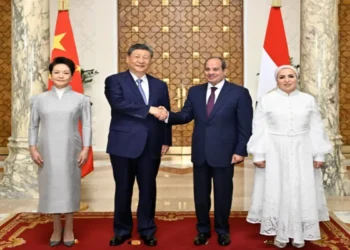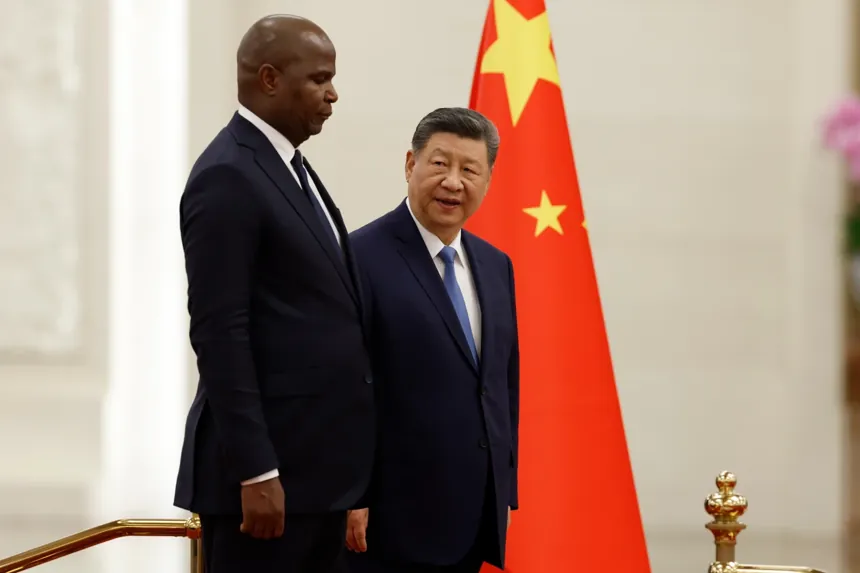
China’s sweeping removal of tariffs on African imports marks a significant strategic trade realignment, extending duty-free access to nearly the entire continent while reinforcing Beijing’s economic role in the developing world. The policy, which took effect May 1, grants zero-tariff treatment to 53 of Africa’s 54 countries, excluding only Eswatini due to its diplomatic ties with Taiwan.
The move positions China as the first major economy to offer near-universal tariff-free access to African exports, a step officials say is designed to promote “mutual development” while strengthening South-South trade cooperation.
Strategic Trade Realignment Gains Momentum
The expanded policy builds on earlier tariff exemptions for 33 of Africa’s least-developed countries and now includes larger economies such as South Africa, Nigeria, and Egypt. These countries previously faced tariffs of up to 30% on agricultural exports entering the Chinese market.

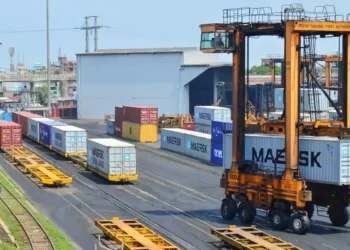
Chinese authorities said the measure would enhance access for products including cocoa, coffee, citrus, and wine—key exports for several African economies. Early shipments under the new system have already cleared customs, signaling operational rollout.
Analysts note that by expanding market access across the continent, China is consolidating its position as Africa’s largest trading partner while promoting an alternative model to Western trade frameworks.
Global Trade Tensions Shape Policy Direction
The tariff move comes as global trade dynamics shift, particularly following renewed protectionist measures linked to Donald Trump. Several African economies have sought to diversify export markets after facing elevated U.S. tariffs, with some duties reaching 30% or higher.
Reporting from The Associated Press indicates that the Chinese policy is being interpreted in part as a response to these developments, offering African exporters an alternative destination amid tightening access to Western markets.
Experts suggest the initiative also carries geopolitical messaging, positioning Beijing as a counterweight to Western protectionism in global trade governance.
■ Related News


Economic Impact and Trade Imbalances Persist
Despite the expanded access, structural imbalances remain a defining feature of China-Africa trade. In 2025, bilateral trade reached roughly $348 billion, with China exporting about $225 billion in goods to Africa while importing only $123 billion.
Economists note that many of Africa’s primary exports—particularly raw materials such as oil and minerals—already entered China with minimal tariffs, limiting the immediate transformative impact of the new policy.
However, agricultural sectors may see more tangible benefits, particularly in countries seeking to diversify export portfolios beyond commodities.
Strategic Influence Expands Across the Global South
The tariff elimination reinforces China’s broader strategy of deepening ties across the Global South, where infrastructure investment, lending, and trade agreements have expanded Beijing’s influence.
Analysts cited in international reporting argue that the move is as much symbolic as economic, signaling China’s commitment to open trade while strengthening political relationships across Africa. At the same time, concerns remain over rising debt levels and long-term dependency on Chinese markets.
Looking ahead, the policy—initially set for a two-year period—could reshape trade flows between Africa and major global economies, particularly if Western trade restrictions persist. Its success will likely depend on whether African exporters can scale production and move beyond raw materials into higher-value goods.