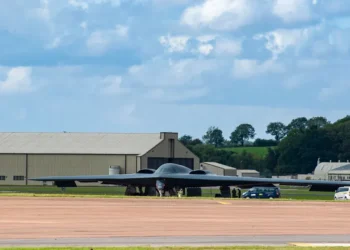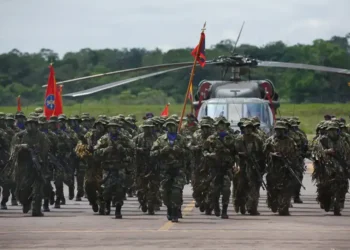
WASHINGTON (Journos News) — A U.S. military strike in the eastern Pacific on Sunday killed six men aboard a vessel alleged to be involved in drug trafficking, underscoring a growing pattern of U.S. operations targeting small maritime craft along transnational smuggling routes in Latin America. According to U.S. Southern Command officials speaking to The Associated Press, the operation is part of an ongoing campaign initiated under the Trump administration aimed at disrupting what it calls “narcoterrorist” activity, although direct evidence of drug transport in the latest strike has not been publicly provided.
Diplomatic Pressure Mounts Over U.S. Anti-Cartel Operations
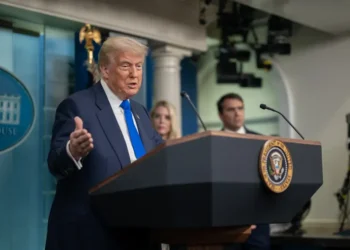
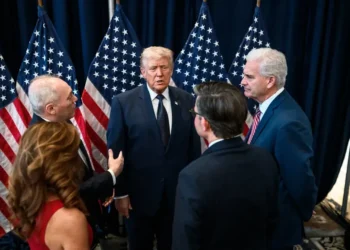
The operation comes amid heightened U.S. engagement with Latin American governments on security cooperation. In a regional summit on Saturday, President Donald Trump told leaders that military collaboration against transnational cartels was necessary, framing these networks as an “unacceptable threat” to national and regional security, according to remarks broadcast by the BBC. Ecuador joined U.S. forces in coordinated operations this week against organized crime networks, officials confirmed to Reuters, signaling a deepening U.S. role in hemispheric security matters.
According to the Associated Press, the strikes, which have numbered over 40 in the Eastern Pacific and Caribbean since September, aim to target known smuggling corridors. Critics have questioned both the legal basis for such operations in international waters and the broader effectiveness of maritime strikes, noting that the majority of lethal fentanyl entering the United States moves overland from Mexico.

Political Stability Tested Amid Contested Rules of Engagement
The Trump administration’s characterization of the campaign as an armed conflict with cartels has sparked debate in U.S. and Latin American policy circles. Video footage released by the U.S. military, posted on X (formerly Twitter), showed a small boat being destroyed at sea, though it did not confirm the transport of illicit drugs. The Associated Press reported that survivors of an earlier strike were subsequently killed in follow-up operations, intensifying scrutiny. Democratic lawmakers and international legal experts described such actions as potential violations of international law, while Republican officials defended the strikes as legitimate counter-narcotics operations.
Regional Tensions Rise as U.S. Military Presence Expands
Analysts told Reuters that these operations risk exacerbating tensions between the United States and Latin American governments wary of sovereignty violations. While Washington emphasizes the campaign’s intent to curb illicit trafficking and protect domestic security, critics argue the approach could inflame anti-U.S. sentiment and destabilize cooperation frameworks for regional policing of organized crime.
International Response Grows, Implications for Policy Take Shape
The strikes highlight the U.S. strategy of leveraging military assets to address transnational criminal threats, according to U.S. Southern Command. Experts cited by The Associated Press caution that continued maritime engagements without transparent evidence may complicate diplomatic relations with both regional partners and international institutions monitoring compliance with humanitarian law. Forward-looking assessments suggest that U.S. operations in the Pacific and Caribbean could prompt calls for multilateral oversight and stronger engagement with local law enforcement structures to reduce dependency on unilateral military actions.