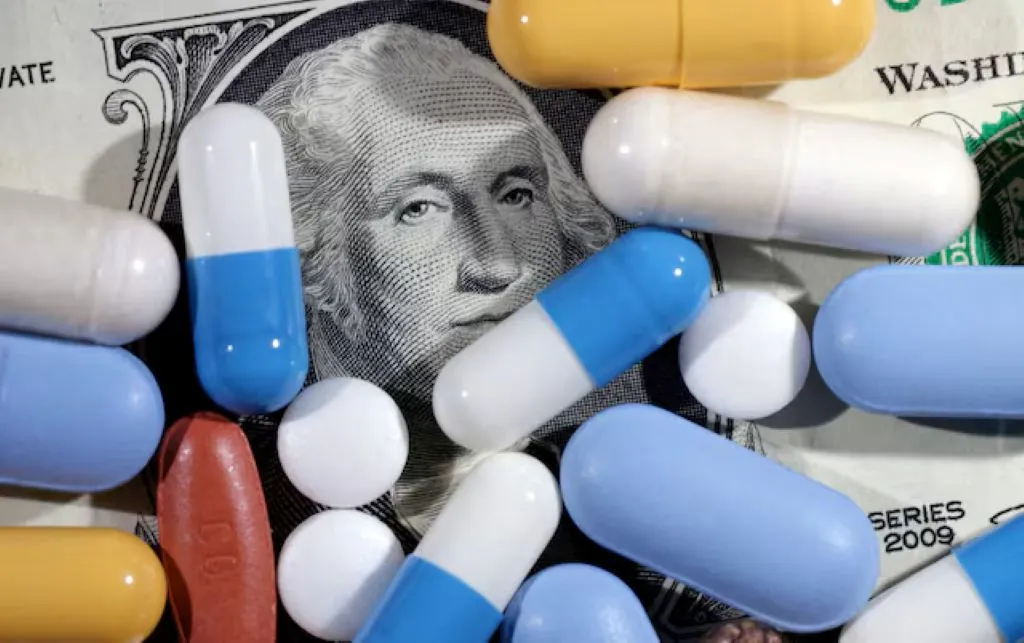
The U.S. Medicare health program announced on Tuesday that newly negotiated prices for 15 of its most expensive drugs will cut costs by 36% compared with recent annual spending, translating to roughly $8.5 billion in projected savings for covered prescriptions. The reductions, set to take effect in 2027, follow the authority granted to Medicare under the Inflation Reduction Act of 2022, which allows the government to negotiate directly with drugmakers—a practice previously prohibited by law.
Among the drugs seeing significant reductions is Novo Nordisk’s semaglutide, marketed as Wegovy for weight loss and Ozempic for diabetes, which will carry a new monthly price of $274. Analysts note this represents a substantial decrease from Medicare’s previous net price of $428 and far below the list price of $959 per month.
Major Price Cuts Across Multiple Therapies
Other medications targeted in this negotiation include AstraZeneca’s leukemia drug Calquence, Boehringer Ingelheim’s lung treatment Ofev, and Pfizer’s breast cancer therapy Ibrance. Each saw net price reductions exceeding $4,000 annually. Additional drugs such as GSK’s asthma and COPD inhaler Trelegy Ellipta and AbbVie’s irritable bowel treatment Linzess will now cost $175 and $136 per month, respectively, down from list prices of $654 and $539.

“These negotiations are yielding meaningful reductions,” said William Padula, a professor of pharmaceutical and health economics at the University of Southern California. “The agencies went to the table determined to push on prices, and they appear to have succeeded.”
Policy Context and Historical Background
The price negotiations stem from President Joe Biden’s 2022 Inflation Reduction Act (IRA), which marked a shift in U.S. healthcare policy by granting Medicare the authority to negotiate drug costs for the first time. Last year, Medicare finalized prices for 10 high-cost medications, achieving estimated savings of around 22%—substantially lower than the 36% projected for the 2027 rollout. Analysts attribute the larger reductions this year to newer drugs with greater pricing flexibility.
Despite these cuts, U.S. prices remain significantly higher than those in other high-income countries. The previous round of IRA negotiations showed that new prices were still, on average, more than double—and in some cases five times—the cost of equivalent medicines in nations such as the United Kingdom, Germany, France, and Japan.
International Comparisons and the Most-Favored-Nation Debate
The pricing gap has fueled discussions around “most-favored-nation” (MFN) policies, which tie U.S. drug prices to the lowest rates paid in a group of high-income countries. Former President Donald Trump supported this approach, and Medicare has proposed a pilot program using a basket of G-7 nations plus Denmark and Switzerland. Under this framework, the benchmark price would reflect the second-lowest cost within the group, adjusted for differences in GDP per capita.
The pharmaceutical industry has continued to resist government-imposed price controls. “Whether it is the IRA or MFN, government price setting for medicines is the wrong policy for America,” said Alex Schriver, spokesperson for the industry group PhRMA.



Broader Implications for U.S. Healthcare
Medicare provides coverage for more than 67 million Americans aged 65 and older, as well as people with disabilities. Experts say that the new negotiated prices could have ripple effects across the broader healthcare market. “All of the other payers can see these prices,” noted Sean Sullivan, a pharmacy professor at the University of Washington. “It creates a benchmark, and other insurers will likely demand similar reductions from manufacturers.”
The IRA requires Medicare to consider multiple factors when determining prices, including manufacturer data and the availability of alternative treatments. While international comparisons are not mandated, the legislation reflects a broader trend toward leveraging government negotiation to reduce the financial burden on patients and taxpayers.
Next Steps for Medicare Price Negotiations
Medicare officials plan to begin negotiations for a new set of 15 prescription and hospital-administered drugs in February. Observers anticipate that these discussions could further expand savings, particularly as the agency refines its negotiation methodology and targets newer, high-cost medications.
The 36% projected reduction underscores the growing role of federal oversight in U.S. drug pricing and represents one of the largest single-year efforts to lower prescription costs for the nation’s largest healthcare program. As negotiations continue, stakeholders will closely watch how these measures compare with international pricing standards and their long-term effects on both access to medicines and industry pricing strategies.
Source: Reuters – US slashes 36% off Medicare spending on 15 high-priced medicines