A criminal case tied to an alleged attempt on Donald Trump has intensified scrutiny over security protocols surrounding major political events in Washington, particularly those that blend media access with senior government presence.
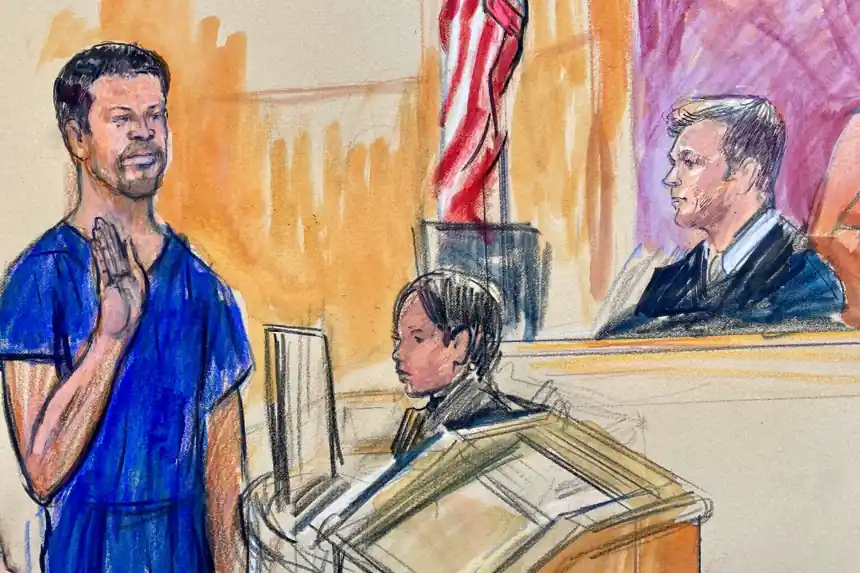
According to reporting by The Associated Press, federal authorities have charged a man in connection with a shooting incident linked to the White House Correspondents’ Dinner—an event traditionally characterized by close proximity between journalists, political figures, and high-ranking officials.
Security Perimeter Under Strain
Investigators allege the suspect opened fire in an incident authorities are treating as an attempted assassination tied to Trump’s presence during the high-profile gathering. While details remain under active review, the charges signal a serious breach concern within what is typically considered one of Washington’s most tightly controlled social-political environments.

The Correspondents’ Dinner has long operated as a hybrid space—part ceremonial, part political theater—where standard security frameworks are adapted to accommodate a broad range of attendees. That model is now facing renewed examination as officials assess whether layered protections were sufficient to deter or rapidly neutralize threats.
Event Exposure Risks Reassessed
The case has prompted security analysts to revisit the inherent vulnerabilities of events that prioritize accessibility alongside prestige. Unlike strictly controlled government functions, the dinner introduces variables including media personnel, invited guests, and private attendees, expanding the operational complexity for protective services.
Officials have not publicly disclosed the full sequence of events leading up to the shooting, but the charges suggest premeditation and intent significant enough to trigger federal prosecution at the highest level. The incident is likely to influence future risk assessments for similar gatherings involving current or former presidents.
Institutional Confidence Faces Pressure
Beyond the immediate legal proceedings, the development places pressure on institutions responsible for safeguarding political figures in semi-public settings. The U.S. Secret Service and partner agencies may face calls to recalibrate protocols, particularly where symbolic events intersect with real-world threat environments.
While no sweeping policy changes have yet been announced, the implications extend beyond a single event. The case underscores the challenge of maintaining open democratic traditions—such as press access—while adapting to evolving security risks.
■ Related News




Legal Proceedings Signal Broader Implications
The suspect now faces charges that could carry severe penalties if convicted, reflecting the gravity with which authorities are treating the incident. Prosecutors are expected to present evidence outlining both intent and capability, elements central to establishing the attempted assassination charge.
Legal experts note that such cases often become reference points for future enforcement strategies, particularly in defining thresholds for preemptive action against perceived threats to national leaders.
Forward-Looking Risk Landscape
As the investigation continues, the incident is expected to shape how security agencies approach events that sit at the intersection of politics, media, and public visibility. The Correspondents’ Dinner, long viewed as a fixture of Washington’s institutional culture, may now serve as a case study in balancing openness with heightened protective measures.
The outcome of the case—and any subsequent policy adjustments—will likely influence not only future presidential security planning but also the broader framework governing high-profile public gatherings in politically sensitive environments.