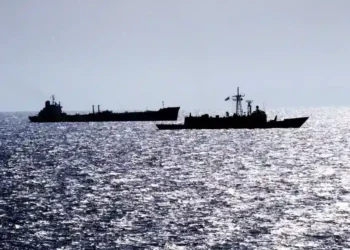
Seafarers stranded aboard vessels in the Persian Gulf are facing mounting uncertainty as regional tensions tied to Iran disrupt one of the world’s most critical maritime routes, underscoring growing risks to global trade and energy flows.
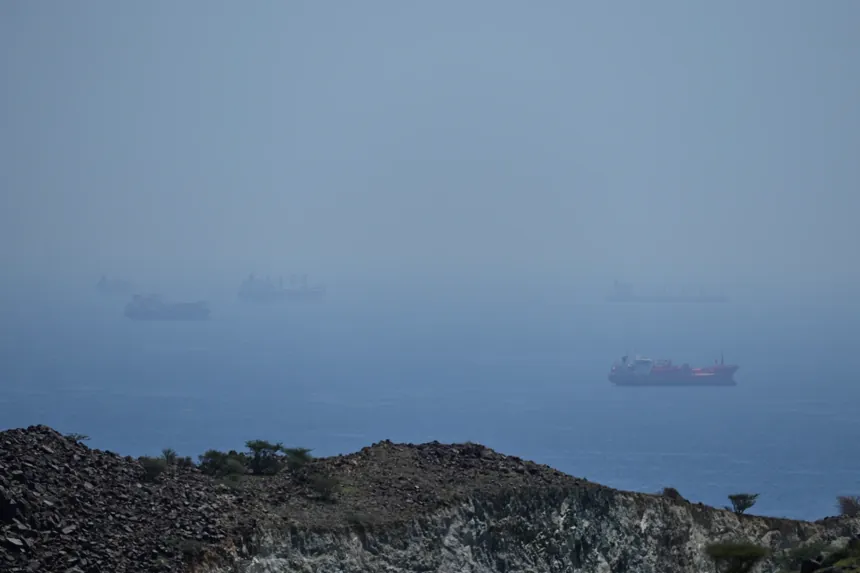
Dozens of ships have remained immobilized for weeks near the Strait of Hormuz, a chokepoint through which roughly a fifth of the world’s oil supply passes. The situation has drawn international concern, as delays and operational risks ripple across global shipping networks already strained by geopolitical instability.
According to reporting from The Associated Press, crews aboard several vessels describe deteriorating conditions, with limited supplies and growing anxiety over their safety. Maritime authorities and shipping companies have yet to secure safe passage guarantees, highlighting the fragile security environment in the region.

Strategic Shipping Corridor Faces Prolonged Disruption
The ongoing standoff has effectively halted normal transit operations for some vessels navigating the narrow waterway, raising alarms among global energy markets and logistics firms. Industry analysts note that prolonged disruption in Hormuz could trigger wider supply chain instability, particularly for oil-importing economies in Asia and Europe.
While naval patrols from multiple countries continue to operate in the area, shipping firms remain cautious, with some rerouting vessels or delaying departures altogether. The uncertainty has increased insurance costs and operational risks, further complicating maritime trade.
Analysts interviewed by Financial Times indicate that even limited disruptions in Hormuz tend to have outsized global consequences, given the route’s strategic importance and lack of viable alternatives for large-scale energy transport.
Humanitarian Strain Intensifies for Seafarers
Beyond the economic implications, the situation has exposed the vulnerability of seafarers caught in geopolitical flashpoints. Crews aboard stranded vessels report fatigue, stress, and concern over dwindling provisions, as well as uncertainty over when they will be able to disembark.
Maritime labor groups have raised concerns about crew welfare, calling for coordinated international intervention to ensure safe passage and adequate support. The issue highlights broader systemic challenges in protecting civilian maritime workers during periods of geopolitical tension.


In remarks carried by BBC News, advocacy groups emphasized that seafarers often become unintended casualties of geopolitical disputes, lacking both visibility and protection despite their essential role in sustaining global trade.
Diplomatic Pressure Builds Around Maritime Security
The standoff has prompted renewed diplomatic engagement among regional and global powers, with calls for de-escalation and guarantees for freedom of navigation. Western governments have urged restraint while reaffirming commitments to safeguarding international shipping lanes.
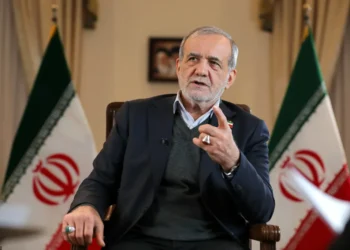
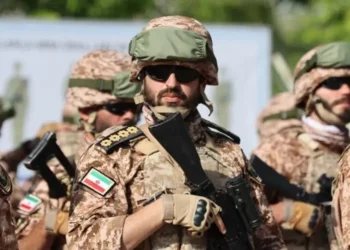
Iran has not formally acknowledged responsibility for the disruptions but has previously signaled its capacity to influence maritime traffic in response to political and economic pressures, particularly amid ongoing disputes over sanctions and regional security.
Officials speaking to Reuters said diplomatic channels remain active, though progress has been limited, reflecting the broader complexity of negotiations involving multiple stakeholders and competing strategic interests.
Global Trade and Energy Markets on Alert
The prolonged immobilization of vessels in the Gulf is beginning to affect shipping schedules and cargo deliveries, with potential knock-on effects for oil prices and global supply chains. Energy analysts warn that sustained disruption could tighten supply conditions, especially if tensions escalate further.
Shipping firms are increasingly factoring geopolitical risk into route planning, potentially reshaping trade flows in the medium term. However, alternatives to Hormuz remain limited, reinforcing the corridor’s enduring strategic significance.
The situation underscores how localized tensions can quickly evolve into global economic concerns, particularly when they intersect with critical infrastructure like maritime chokepoints.
Strategic Stakes Extend Beyond Immediate Crisis
As diplomatic efforts continue, the standoff highlights the broader challenge of maintaining stability in key global transit routes amid rising geopolitical competition. The vulnerability of maritime corridors like Hormuz remains a central concern for policymakers and industry leaders alike.
If unresolved, the current disruption could set a precedent for future maritime crises, increasing the likelihood of similar incidents in other strategic waterways. For now, the fate of stranded crews and vessels remains uncertain, reflecting the fragile balance between regional tensions and global economic stability.