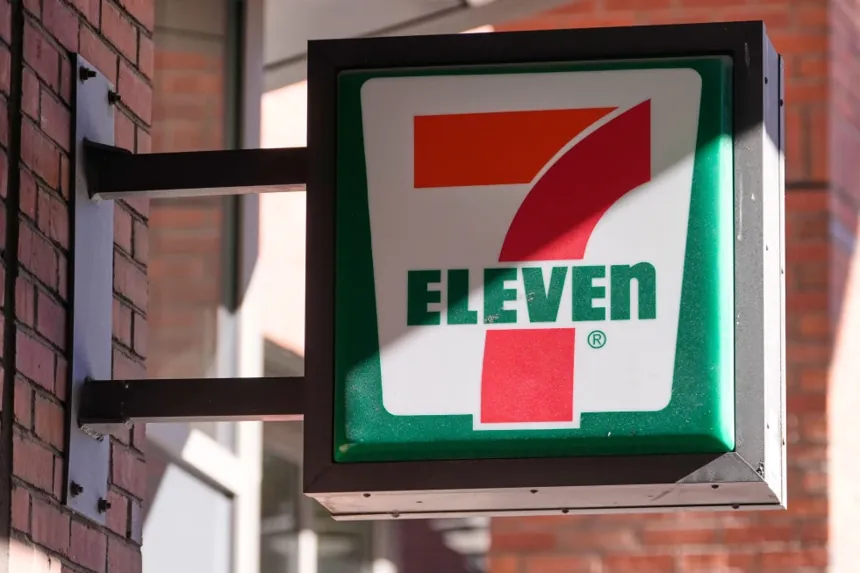
Seven & i Holdings plans to close 645 7-Eleven stores across North America during fiscal 2026, significantly exceeding the 205 locations it expects to open in the same period, according to company earnings filings cited by AP. The move represents a strategic network reset centered on underperforming sites, selective conversion to wholesale fuel locations, and a broader response to softer consumer spending trends. For the retail and fuel convenience sector, the decision underscores how inflation, traffic volatility and margin pressure continue reshaping physical store footprints.
Strategic Corporate Shift
The dominant business angle is sector disruption through footprint optimization. Seven & i said part of the closures will involve converting some stores into wholesale fuel-only formats, extending a model that already covers more than 900 North American sites as of December 2025. This signals a deliberate shift away from lower-return convenience retail boxes toward fuel-distribution economics and leaner operating structures.
The restructuring also reflects a multi-year contraction trend. Company figures show North America has now recorded several consecutive years in which store closures exceeded openings, indicating that this is not a one-off retrenchment but part of a longer strategic recalibration.

Consumer Spending and Macro Pressure
Seven & i’s filings point to softer personal consumption, particularly among lower-income households, as inflation continues to pressure discretionary spending. This matters because convenience retail depends heavily on frequent small-ticket purchases—snacks, beverages, tobacco alternatives and impulse fuel-adjacent items—which are among the first categories affected when household budgets tighten.
The company’s decision also comes as energy market volatility adds uncertainty to fuel demand behavior and station economics. Higher gasoline prices can temporarily lift fuel revenue per visit, but they may simultaneously suppress discretionary in-store purchases, compressing profitability at marginal locations.
Financial Outlook and Revenue Pressure
Seven & i expects fiscal-year revenue to decline 9.4% to roughly 9.45 trillion yen ($59.5 billion), according to its latest outlook. That top-line pressure strengthens the financial rationale for store rationalization, especially in a mature North American market where operational efficiency often drives earnings resilience more than unit growth.
The sharper economic signal for investors is that closures now materially outpace expansion. With 645 closures against 205 openings, net store count contraction suggests management is prioritizing return on invested capital, margin preservation and fuel-network efficiency over market share expansion.
Industry Comparison and Strategic Outlook
The convenience sector globally is moving toward hybrid models that blend fuel, prepared food, delivery and digital loyalty ecosystems. Seven & i’s concurrent focus on “food forward” formats and delivery expansion indicates capital is being redirected toward higher-yield store concepts rather than legacy low-productivity sites.

For the broader retail industry, this reinforces a clear trend: physical footprints are increasingly judged by traffic quality and basket economics, not simply total unit count.