A fresh round of high-level talks in Washington has underscored growing diplomatic strain between the United States and key Arctic stakeholders, as renewed interest in Greenland’s strategic value triggers unease among long-standing allies.
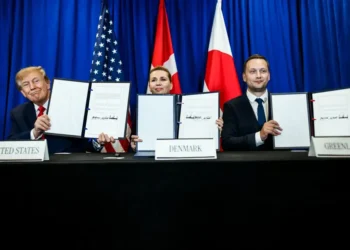
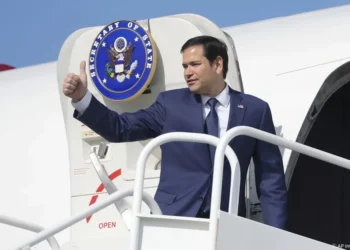
Envoys from Denmark and Greenland met with senior White House officials this week in a bid to contain tensions sparked by former President Donald Trump’s revived suggestion that the United States should pursue control over the semi-autonomous Danish territory. The discussions, while framed as routine engagement, reflect deeper concerns about the durability of transatlantic alignment on Arctic governance.
According to reporting by The Associated Press, the meeting aimed to reaffirm cooperation while addressing sensitivities surrounding sovereignty and regional security. Officials on all sides have sought to temper rhetoric, but the underlying dispute has introduced new friction into a traditionally stable alliance.

Diplomatic Strains Surface Over Sovereignty Signals
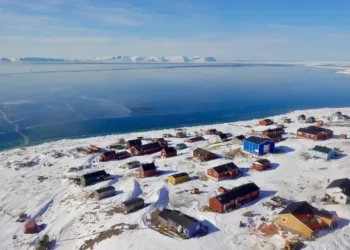
The renewed U.S. interest in Greenland—an island of increasing geopolitical importance due to its location and untapped resources—has been received cautiously in Copenhagen and Nuuk. Danish officials have reiterated that Greenland is not for sale, a position echoed by Greenlandic leaders who emphasize self-determination.
The issue has moved beyond symbolic disagreement. Analysts note that even rhetorical proposals involving territorial acquisition risk undermining trust between allies, particularly when they intersect with questions of sovereignty. The current dialogue reflects an effort to prevent those tensions from escalating into more substantive diplomatic discord.
For Greenland’s leadership, the episode has also sharpened internal considerations about autonomy and international engagement. While the territory maintains strong ties with Denmark, it has increasingly sought a more prominent voice in Arctic affairs, complicating the diplomatic landscape.
Strategic Interests Collide in the Arctic Arena
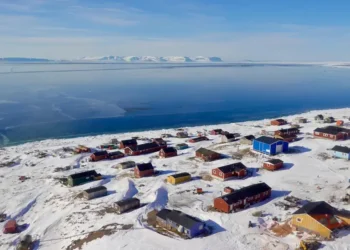
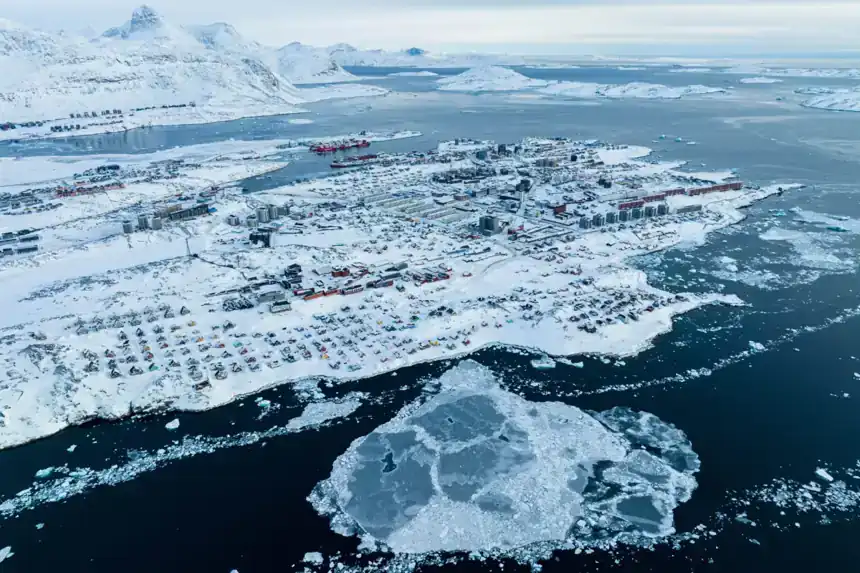
The broader context of the dispute lies in the Arctic’s growing strategic relevance. Melting ice and shifting trade routes have elevated Greenland’s importance for military positioning, resource access, and geopolitical influence. The United States already maintains a military presence at Pituffik Space Base, underscoring its longstanding interest in the region.
However, the latest developments suggest that strategic competition is now intersecting more directly with alliance politics. The perception of unilateral ambition—particularly when framed as a “takeover”—risks complicating cooperation at a time when Arctic governance requires coordinated approaches among Western partners.




European officials have privately expressed concern that such rhetoric could create openings for rival powers to exploit divisions within NATO-aligned states. Maintaining a unified stance in the Arctic has become an implicit priority in ongoing diplomatic exchanges.
Alliance Credibility Faces Subtle Erosion Risks
The episode highlights a broader challenge for U.S. diplomacy: balancing strategic ambitions with the expectations of allied consultation. While Washington has emphasized its commitment to partnership, the Greenland issue illustrates how quickly alignment can be tested when national interests appear to diverge.
Danish officials have approached the situation with measured restraint, avoiding escalation while reinforcing legal and political boundaries. This calibrated response reflects a desire to preserve the broader relationship, even as specific points of tension remain unresolved.
At the same time, Greenland’s growing political agency introduces an additional layer of complexity. Its leaders are increasingly navigating between external interest and internal priorities, shaping a more multipolar dynamic within what was once a straightforward bilateral framework.
Forward Outlook: Managing Friction Without Fracture
The Washington talks signal an attempt to stabilize relations before disagreements deepen. While no immediate policy shifts have been announced, the engagement itself suggests recognition on all sides that the issue carries broader implications for alliance cohesion.
Looking ahead, the durability of transatlantic unity in the Arctic may depend on how effectively partners reconcile strategic competition with respect for sovereignty. The Greenland question, while specific in scope, has become a test case for managing emerging geopolitical pressures without eroding long-standing diplomatic foundations.