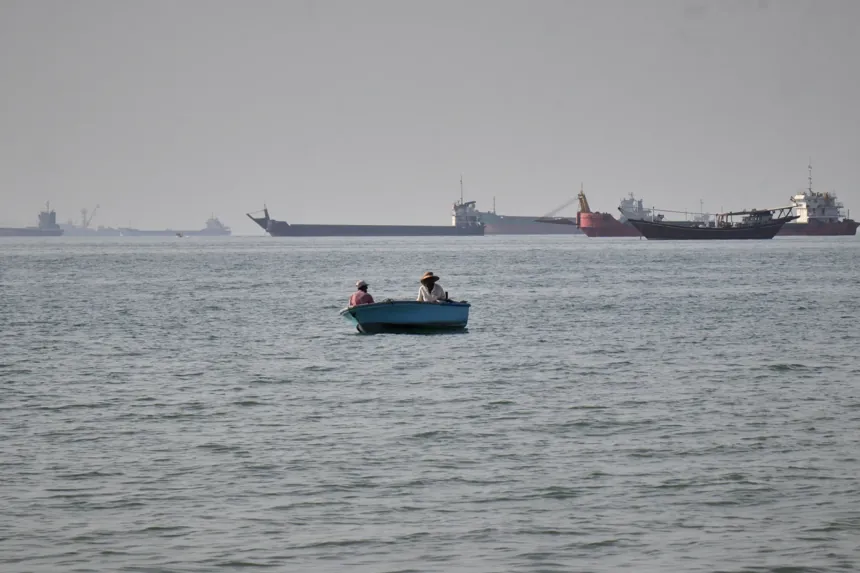
DUBAI, United Arab Emirates — Rising tensions around the strategically vital Strait of Hormuz intensified this week after one vessel was reportedly seized near the United Arab Emirates while another cargo ship sank off the coast of Oman following an attack, according to international maritime authorities and regional officials. The incidents have renewed concerns over shipping security and the stability of global oil supplies as diplomatic friction between Iran, the United States, and regional allies continues to grow.
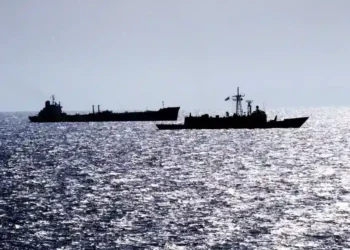
The United Kingdom Maritime Trade Operations center said a ship anchored northeast of Fujairah was boarded by “unauthorized personnel” before being directed toward Iranian waters. British military officials confirmed they were monitoring the situation, though no group immediately claimed responsibility for the seizure.
At nearly the same time, an Indian-flagged cargo vessel traveling near Oman caught fire after what officials described as an attack, eventually sinking in regional waters. Indian authorities said all 14 crew members were rescued safely by Oman’s coast guard. New Delhi condemned the incident and called attacks on civilian shipping “unacceptable.”

Maritime Pressure Escalates in Key Oil Corridor
The Strait of Hormuz remains one of the world’s most critical energy chokepoints, historically carrying roughly one-fifth of global oil shipments. International analysts warn that repeated disruptions in the corridor could destabilize energy markets and place additional strain on global supply chains already under pressure from geopolitical conflict.
Iranian officials have recently intensified rhetoric surrounding control of the waterway. Statements carried by Iranian state-linked media asserted Tehran’s authority over maritime activity in the region and defended the right to intercept vessels connected to U.S. interests.
The latest incidents come amid ongoing negotiations involving Washington and Tehran over regional security and maritime access. According to international reports, disagreements over freedom of navigation in the Gulf have become a central obstacle in broader diplomatic talks.
International Diplomatic Concerns Grow
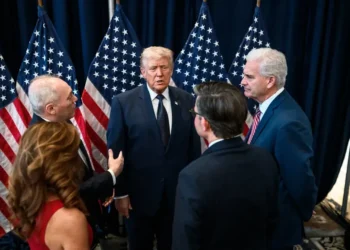
The maritime flare-up unfolded as U.S. President Donald Trump met Chinese President Xi Jinping in Beijing for high-level discussions that included the Middle East conflict and energy security concerns.
The White House said both leaders agreed that the Strait of Hormuz must remain open to international shipping and energy flows. Reports from regional media also suggested that Chinese vessels had recently been allowed to transit the strait under special arrangements with Tehran.
■ Related News


Security experts say the maritime incidents highlight the growing risk of miscalculation in the Gulf, particularly as Iran, the United States, Israel, and regional Arab states continue to compete for influence. Analysts also warned that even limited shipping disruptions could trigger wider economic consequences, including higher fuel prices and increased insurance costs for commercial vessels.
Global Energy Markets Remain Sensitive
Oil markets reacted cautiously to the renewed instability, although prices stabilized after reports indicated that some tankers were still successfully crossing the strait. Reuters reported that traders remain concerned over future disruptions if attacks on commercial vessels continue.
Senior U.S. military officials told lawmakers that Iran’s military capabilities had been weakened in recent months, but acknowledged that Tehran’s threats alone were affecting maritime traffic and insurance markets throughout the region.
Diplomatic observers say the latest escalation underscores how rapidly localized maritime incidents in the Gulf can evolve into broader geopolitical crises with worldwide economic implications.