Thursday, March 12, 2026 | 12:30 UTC
12:24 UTC — Tanker Traffic Through Strait of Hormuz Remains Severely Limited
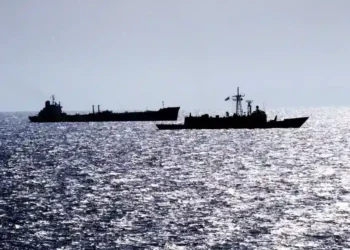
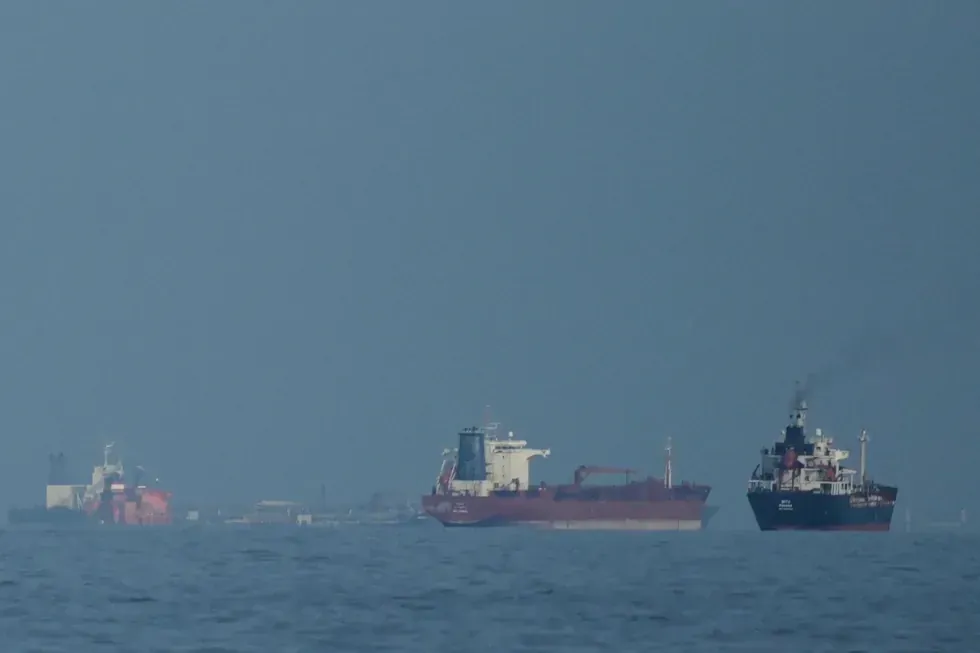
Shipping traffic through the Strait of Hormuz remains extremely low following escalating hostilities linked to the Israel–Iran conflict, according to ship-tracking data cited by Reuters and other maritime monitoring services. Hundreds of vessels have been forced to anchor in nearby Gulf waters as security risks increase.
The Strait of Hormuz normally handles about 20% of global oil and liquefied natural gas shipments, making it one of the world’s most important energy chokepoints. A prolonged disruption could have major implications for global fuel markets.

11:46 UTC — Reports of Additional Ship Damage Near Hormuz
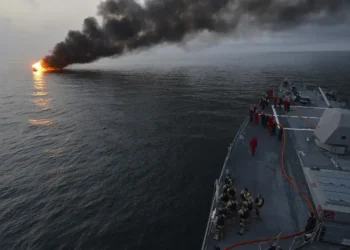
Three cargo vessels were reported damaged in suspected attacks in the Strait of Hormuz on March 11, according to maritime security reporting cited by USNI News.
Officials said at least 17 ships have been struck since late February, when hostilities between Iran, Israel, and the United States escalated. The International Maritime Organization has confirmed several fatalities among seafarers since the start of the maritime incidents.
10:55 UTC — Saudi Arabia Increasing Red Sea Oil Shipments
Saudi Arabia has increased crude shipments through the Red Sea as companies attempt to bypass the Strait of Hormuz, Reuters reported.
However, industry officials say the additional Red Sea exports cannot fully replace the large volumes normally transported through the Gulf shipping corridor.
10:18 UTC — Shipping Companies Suspend Transit Through Hormuz
Several global shipping firms have suspended transits through the Strait of Hormuz amid rising security threats, according to maritime industry reporting.


The suspension has left more than 150 vessels anchored outside the strait, waiting for clearer security conditions before entering the passage.
09:42 UTC — Missile and Drone Attacks Reported Across Gulf Region
Iran has launched waves of missiles and drones targeting locations across the Gulf, including a United States base in Kuwait, according to regional reporting citing Iranian sources and military officials.
Maritime authorities also reported a vessel struck by a projectile near the Strait of Hormuz, though investigators said the circumstances remain under review.
09:10 UTC — Oil Prices Rise Amid Supply Disruption Fears
Global oil markets have reacted sharply to the conflict. Brent crude prices surged above $100 per barrel, marking the highest levels in several years amid fears of prolonged supply disruption.
Analysts say the closure or restriction of the Strait of Hormuz could affect a significant portion of global energy trade if shipping disruptions continue.
What We Know
The Strait of Hormuz carries about one-fifth of global oil shipments.
Maritime traffic through the corridor has dropped sharply since late February.
At least 17 ships have been struck since the escalation began.
Some exporters are rerouting shipments through the Red Sea and other routes.
Background
The maritime disruption follows a rapid escalation in hostilities between Iran, Israel, and the United States that began in late February. Iran issued warnings against vessel traffic in the Strait of Hormuz after military strikes against Iranian targets.
The waterway connects the Persian Gulf with the Gulf of Oman and the Arabian Sea and is considered one of the world’s most critical energy transit routes.