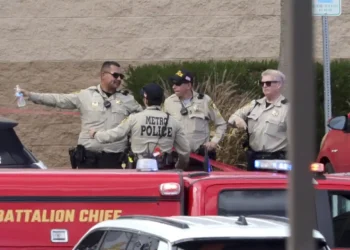
Federal investigators say the two teenagers responsible for the deadly shooting at a San Diego mosque met online and were radicalized through extremist content before carrying out what authorities describe as a hate-motivated attack that killed three people and shocked Muslim communities across the United States.
The FBI said writings recovered from the suspects expressed hatred toward multiple religions, races, women, immigrants, and LGBTQ individuals. Authorities identified the suspects as 18-year-old Caleb Vazquez and 17-year-old Cain Clark, who died from apparent self-inflicted gunshot wounds after the attack at the Islamic Center of San Diego. The shooting is being investigated as both a hate crime and a possible act of domestic terrorism.
Online Radicalization Under Investigation
According to federal officials, the teenagers first connected through online platforms where they consumed white supremacist and extremist material. Investigators said the pair shared ideological influences linked to previous far-right mass attacks, including references to the 2019 Christchurch mosque shootings in New Zealand.

The FBI said writings found in the suspects’ vehicle and homes reflected what officials described as a “broad hatred” targeting Muslims, Jews, Black people, immigrants, and political groups across the ideological spectrum. Authorities also recovered more than 30 firearms, tactical equipment, and ammunition during searches connected to the investigation.
Investigators are continuing to examine whether the suspects communicated with extremist networks online or received encouragement from broader hate-based communities operating on internet forums and social media platforms.
Mosque Security Guard Praised as Hero
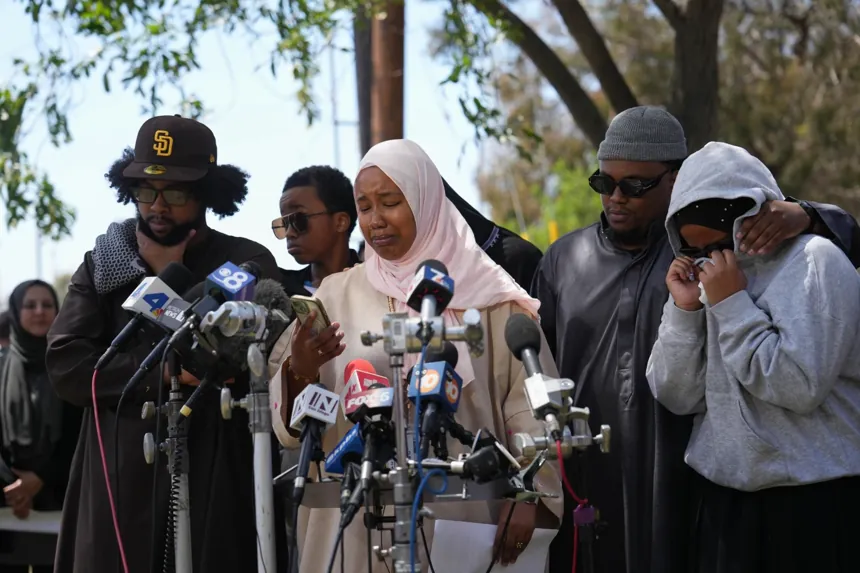
Officials and community leaders said the death toll could have been significantly higher without the actions of mosque security guard Amin Abdullah, who confronted the attackers and initiated a lockdown procedure that protected approximately 140 children attending classes inside the Islamic center.
Two additional victims, identified as Mansour Kaziha and Nadir Awad, were also praised for helping direct people away from danger during the shooting. Witnesses and investigators said the attackers arrived heavily armed and wearing body armor before opening fire outside the mosque complex.
The Islamic Center of San Diego, one of the largest Muslim institutions in Southern California, has long participated in interfaith outreach programs and community engagement efforts. Community leaders said the mosque had previously received threatening messages but had never experienced violence on this scale.
■ Related News
Growing Concern Over Extremist Violence
The attack has renewed national debate about online radicalization, domestic extremism, and security at places of worship in the United States. Civil rights organizations and Muslim advocacy groups said anti-Muslim incidents have increased in recent years amid wider concerns about hate crimes and extremist rhetoric online.
United Nations Secretary-General António Guterres condemned the attack and called for stronger international efforts to combat intolerance and extremist violence targeting religious communities.
Authorities said the investigation remains active as federal agents continue analyzing digital evidence, online communications, and the suspects’ writings to determine the full extent of the planning behind the attack.