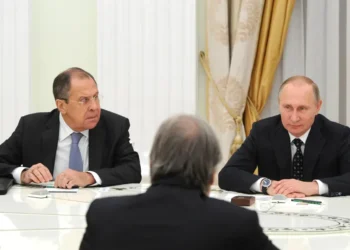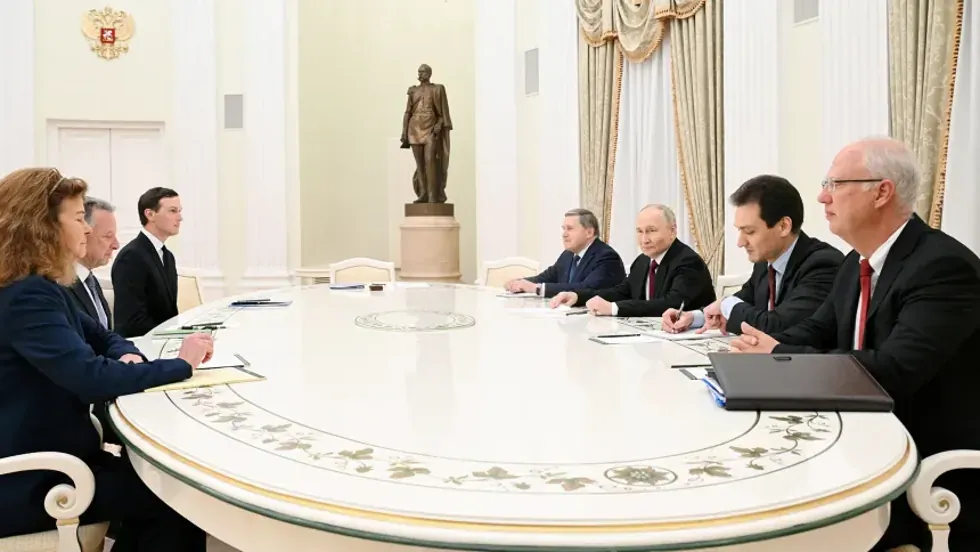
Kyiv, Ukraine (JN)– As diplomatic channels reopen between Washington and Moscow, hopes for a swift breakthrough in the Ukraine war appear limited. Russian President Vladimir Putin’s latest meeting with envoys linked to US President Donald Trump ended without any visible progress, reinforcing doubts about whether Moscow sees advantage in compromise.
The encounter — reportedly lasting several hours — produced no public concessions from the Kremlin. Instead, officials signaled that discussions remain complex and unresolved, suggesting that Russia is in no hurry to accommodate a US-led push for a rapid settlement.
The episode highlights the central tension in the conflict’s fourth year: while Washington seeks a path toward de-escalation, Moscow appears to calculate that time may still be on its side.

A War That Reshaped Global Security
The war began in February 2022 when Russia launched a full-scale invasion of Ukraine, an escalation that followed years of tensions after Moscow’s 2014 annexation of Crimea. What the Kremlin appeared to anticipate as a swift campaign instead evolved into a prolonged and costly war of attrition.
Backed by extensive military and financial assistance from the United States and NATO allies, Ukraine mounted a defense that blunted Russia’s initial advance and reclaimed significant territory during 2022 and 2023. Western governments framed their support as vital to preserving European security and deterring further aggression.
Yet by 2025, battlefield momentum has shifted incrementally. Russian forces have made slow but steady gains in eastern Ukraine, capitalizing on manpower advantages and a wartime industrial mobilization that has reoriented large segments of the Russian economy toward defense production. Independent analysts and Western officials acknowledge that although advances have come at heavy cost, Moscow has adapted its strategy to sustain a grinding campaign.
Kremlin Response: Complexity Over Concession
Following the latest round of talks, Kremlin aide Yuri Ushakov referenced a multi-point framework and additional documents under discussion, though he offered no specifics. The absence of detail, coupled with a restrained tone, signaled that Moscow is not prepared to publicly endorse the outlines of a US-proposed settlement.
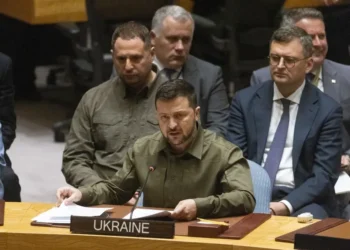
Ukrainian officials have consistently insisted that any peace arrangement must respect Ukraine’s territorial integrity. President Volodymyr Zelensky has reiterated that Kyiv will not formally recognize Russian control over occupied territories, though Western diplomats have privately acknowledged that negotiations — if they materialize — would require difficult compromises.



The diplomatic choreography has unfolded largely behind closed doors. European governments, which remain central to Ukraine’s financial and military support, are being briefed separately. The process reflects both the sensitivity of potential concessions and the recognition that unity among Kyiv’s partners remains crucial.
Washington’s Calculus
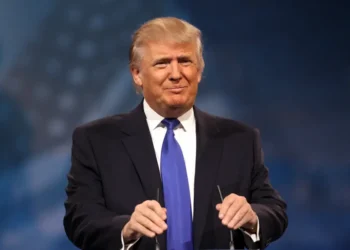
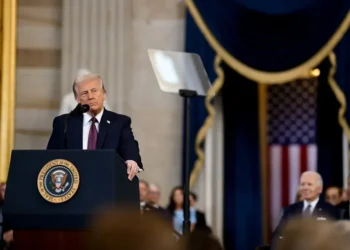
Trump has repeatedly argued that ending the war swiftly is in US interests, questioning the sustainability of prolonged military aid and emphasizing the human toll of continued fighting. His administration has oscillated between imposing additional sanctions on Moscow and signaling openness to direct negotiations.
The approach reflects a broader recalibration in US foreign policy priorities. Domestic political pressures and strategic competition with China have sharpened debate in Washington over resource allocation. While bipartisan majorities in Congress previously supported extensive Ukraine assistance, political divisions have grown more visible.
From Moscow’s perspective, analysts say, such signals may reinforce an assessment that Western resolve could weaken over time. Russia’s leadership, insulated from electoral cycles and operating within a tightly controlled political system, may perceive fewer immediate constraints on prolonging the conflict.
Military and Political Pressures
Despite outward confidence, Russia faces substantial challenges. Western sanctions have constrained access to certain technologies and financial markets. The 2023 Wagner mutiny exposed internal fissures within Russia’s security establishment, even though the Kremlin swiftly reasserted control.
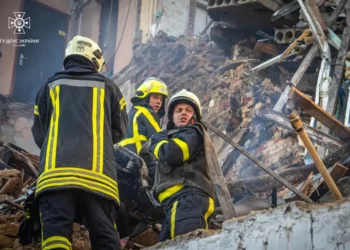
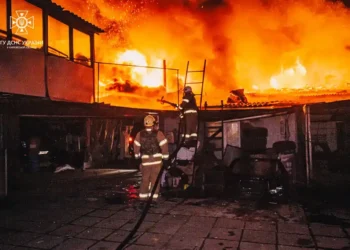
Ukraine, meanwhile, confronts its own strains. Power shortages, infrastructure damage, and mounting casualties have weighed heavily on public morale. Kyiv’s leadership must balance sustaining domestic unity with managing expectations among international partners.
On the battlefield, incremental Russian gains have not translated into a decisive breakthrough. The frontlines remain fluid but largely static across vast stretches, underscoring the entrenched nature of the war.
The Road Ahead
For now, the diplomatic track appears tentative. Russian officials have indicated that while some elements of proposed frameworks may be acceptable, others are viewed as unfavorable. The lack of public endorsement suggests negotiations remain exploratory rather than imminent.
The broader strategic question centers on incentives. If Moscow believes continued military pressure improves its bargaining position, it has limited motivation to accelerate a settlement. Conversely, if Washington seeks rapid de-escalation, it must weigh how far it is prepared to adjust its support for Kyiv to secure concessions.
History suggests that wars of attrition often end not with dramatic breakthroughs but through shifts in political calculation. Whether such a shift is approaching remains unclear.
What is evident is that the war has already reshaped Europe’s security architecture, strengthened NATO’s cohesion, and deepened geopolitical divides between Russia and the West. Any eventual agreement would need to address not only territorial questions but also long-term security guarantees — a complex undertaking with global implications.
For now, after hours of discussion and carefully worded statements, the central reality persists: the gap between the parties remains wide, and a durable peace appears distant.
Source: CNN – Putin sends Trump’s messengers packing, with eyes on a geopolitical win