The Trump administration’s effort to accelerate the use of artificial intelligence across the U.S. military is drawing growing scrutiny from some senior military leaders and technology companies, exposing divisions over how far battlefield automation should go and who should control its use.
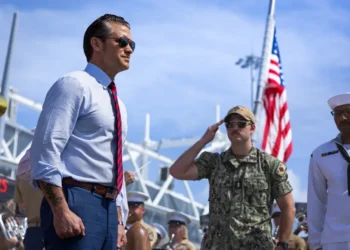
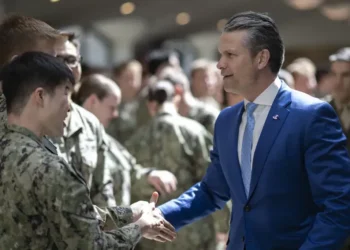
The debate has emerged as the Pentagon seeks to expand AI-driven capabilities for military operations, intelligence processing and targeting systems. Defense Secretary Pete Hegseth has publicly advocated for wider deployment of AI technologies, arguing that the United States must maintain its technological advantage over strategic competitors, including China. Official statements and public remarks from administration officials indicate that military leaders are under pressure to rapidly integrate advanced AI tools into operational planning and combat support systems.
At the same time, some commanders responsible for frontline operations have emphasized the risks associated with delegating critical decisions to increasingly autonomous systems.

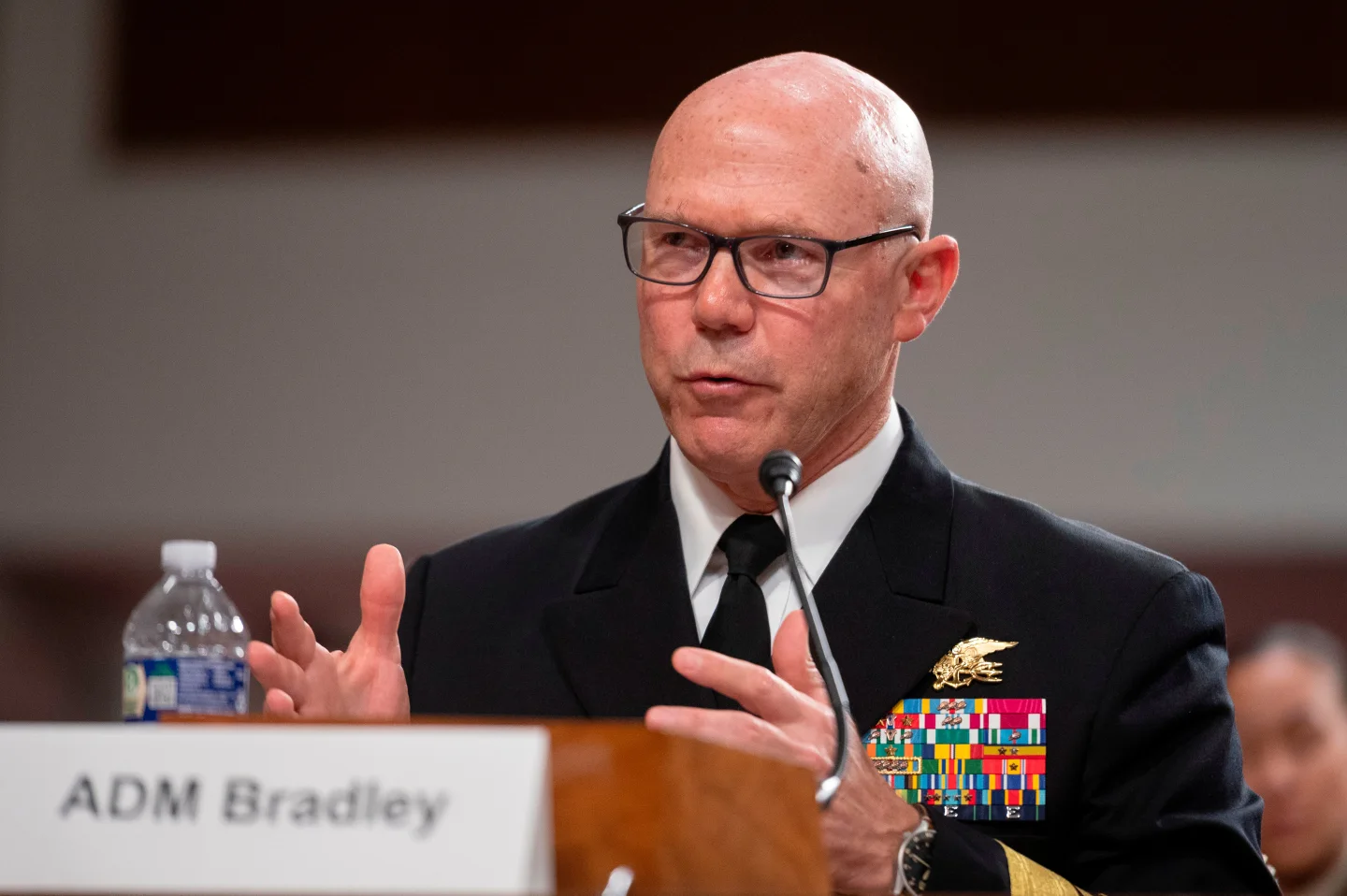
Adm. Frank Bradley, commander of U.S. Special Operations Command, told participants at a recent special operations conference in Tampa, Florida, that military personnel must approach the use of AI in lethal operations carefully. Bradley said future systems could assist in selecting targets, but stressed that human operators must remain confident that force is applied only as intended. His remarks highlighted concerns about accountability, unintended consequences and the need for safeguards as AI becomes more deeply embedded in military decision-making.
Competing Visions Inside the Military
The discussion reflects two parallel approaches to AI adoption within the U.S. defense establishment.
Pentagon officials have described efforts to develop battlefield tools capable of processing information faster, identifying potential targets more efficiently and accelerating operational responses. According to officials cited in reporting, AI systems are increasingly viewed as force multipliers that can help commanders manage large volumes of intelligence and battlefield data.
Other military leaders have focused on less controversial applications, including administrative automation, intelligence management and logistical support.
Senior officials within U.S. Special Operations Command have said AI can reduce routine workloads and help service members focus on mission execution rather than paperwork and data processing. Military leaders have also described its role in improving information sharing and speeding up intelligence classification processes during recent operations.



Research cited in the discussion suggests AI is already influencing battlefield operations. Studies referenced by Georgetown University’s Center for Security and Emerging Technology found that military units have used AI-assisted systems to improve targeting efficiency and operate with fewer personnel while maintaining operational effectiveness. Human operators, however, continue to make final decisions regarding the use of force.
Pentagon Dispute With Anthropic Intensifies
Questions over AI safeguards have also fueled a public confrontation between the Pentagon and AI company Anthropic, underscoring broader tensions between national security priorities and technology-sector concerns.
Anthropic has expressed concerns about unrestricted military use of its AI systems, particularly involving fully autonomous weapons and AI-enabled mass surveillance. Company leadership has argued that certain safeguards should remain in place to prevent applications that could operate without meaningful human oversight.
The dispute escalated after Anthropic CEO Dario Amodei reportedly resisted Pentagon demands to remove some restrictions on how the company’s Claude AI model could be used within classified defense environments. The Pentagon subsequently designated the company as a supply chain risk and ended a defense contract valued at approximately $200 million, according to reporting and court filings cited in the dispute. Anthropic has challenged the designation in court, alleging unlawful retaliation.
Pentagon officials have since highlighted partnerships with other technology companies, including Google, OpenAI and SpaceX, as part of efforts to expand military AI capabilities and support decision-making in complex operational environments.
Strategic Competition Shapes Policy
The dispute comes amid broader efforts by the administration to strengthen American leadership in artificial intelligence.
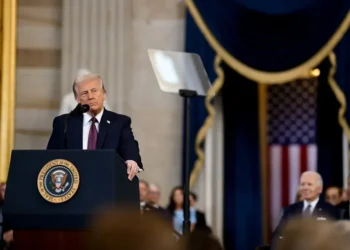
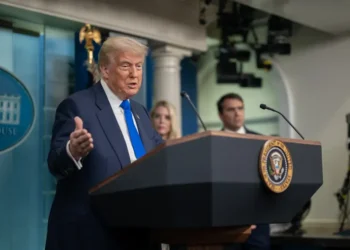
President Donald Trump recently abandoned plans for a proposed AI executive order after expressing concerns that additional restrictions could weaken the country’s competitive position. Administration officials have repeatedly framed AI development as a strategic priority tied to national security and technological competition.
Despite pressure for rapid deployment, military officials and technology leaders continue to debate the balance between operational effectiveness and safeguards. The discussion has increasingly focused on whether future AI systems should remain tightly controlled by human operators or be granted greater autonomy in combat environments.
Independent verification of how future battlefield AI systems may ultimately be deployed remains unavailable, and policy debates over military oversight, accountability and operational control continue across government and industry.