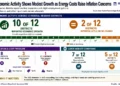
Global oil prices extended gains this week amid escalating geopolitical tensions involving Iran, pushing benchmarks above $110 per barrel and reinforcing inflation concerns. Despite the surge in energy costs and rising Treasury yields, U.S. equities remained close to record highs, supported by stronger-than-expected corporate earnings. The divergence highlights how resilient earnings are offsetting macroeconomic pressures in financial markets.
Energy Markets and Geopolitical Drivers
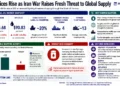
Crude prices moved sharply higher as supply concerns intensified following continued restrictions on Iranian oil exports and disruptions in the Strait of Hormuz, a key transit route for global energy shipments. Brent crude for July delivery rose about 5.8% to $110.44 per barrel, after briefly reaching higher intraday levels, according to reporting by Associated Press.
The price increase reflects heightened risk premiums in energy markets, as traders assess the potential for prolonged supply constraints. Industry data indicates that geopolitical disruptions are once again a primary driver of short-term oil price volatility, overshadowing typical supply-demand fundamentals.

Bond Market Response and Rate Expectations
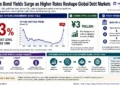
The rise in oil prices fed directly into U.S. bond markets, where yields climbed amid concerns about persistent inflation. The yield on the 10-year U.S. Treasury increased to approximately 4.41%, while the 2-year yield rose to around 3.93%, reflecting shifting expectations for Federal Reserve policy.
Central bank officials have signaled caution regarding potential rate cuts, with some indicating that easing monetary policy could risk exacerbating inflationary pressures linked to higher energy costs. Market-implied expectations suggest investors are scaling back forecasts for near-term rate reductions.
Equity Market Resilience
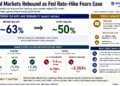
U.S. stock indices showed limited movement despite the macroeconomic headwinds. The S&P 500 edged slightly lower by less than 0.1%, while the Dow Jones Industrial Average declined roughly 0.6%. The Nasdaq Composite, however, recorded a modest gain.
Strong quarterly earnings from major companies helped offset the impact of rising oil prices. Firms such as Visa and Starbucks reported better-than-expected results, with their shares rising more than 8% following earnings releases, according to market data cited by the Associated Press.
The contrasting performance across sectors underscores how corporate fundamentals continue to play a dominant role in equity pricing, even amid elevated geopolitical risks.



Global Market Context
Outside the United States, equity markets presented a mixed picture. European indices declined, reflecting sensitivity to energy price increases, while Asian markets, including Hong Kong’s Hang Seng Index, recorded gains of around 1.7%.
The divergence suggests regional differences in exposure to energy costs and macroeconomic conditions. Economies more reliant on energy imports remain particularly vulnerable to sustained oil price increases.
Strategic Outlook
The current market environment reflects a complex interplay between geopolitical risk, monetary policy expectations, and corporate earnings strength. Elevated oil prices are likely to sustain upward pressure on inflation, complicating central bank decision-making in the near term.
At the same time, continued earnings resilience among large-cap companies may help anchor equity markets, provided that higher energy costs do not materially erode consumer demand or corporate margins.