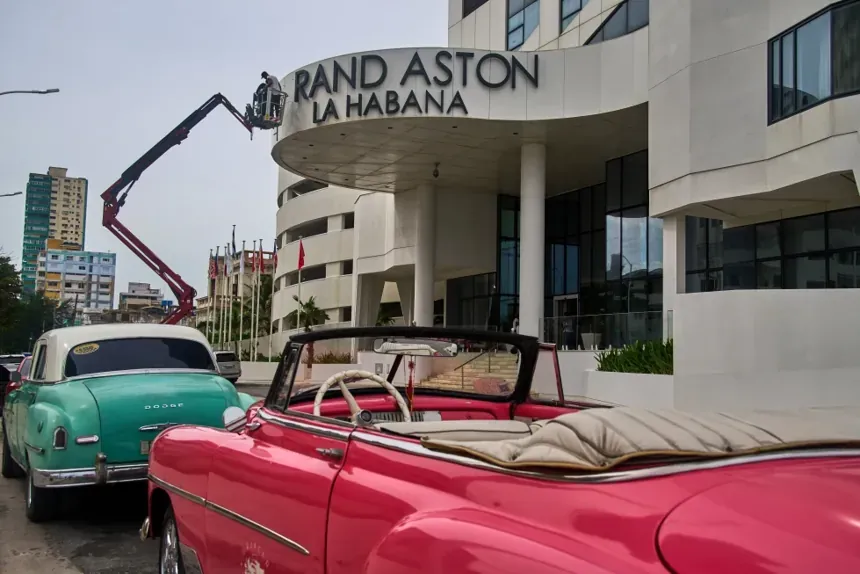
HAVANA – Spanish hotel operator Meliá will cease managing 15 hotels in Cuba, reducing its presence on the island at a time when the country’s tourism industry is facing one of its most severe downturns in years. The decision comes weeks after the United States expanded sanctions targeting Cuban military-linked business interests, adding further pressure to an economy already struggling with declining visitor numbers and persistent shortages.
State-run news outlet Cubadebate reported Wednesday that Meliá’s withdrawal from nearly half of the 34 hotels it manages in Cuba was driven by “external factors” that had significantly affected the operation, legality and security of the establishments. The company has not publicly commented on the decision.
Sanctions Increase Pressure on Foreign Businesses
The move follows an executive order signed by U.S. President Donald Trump in May that broadened sanctions against Cuba while maintaining restrictions related to the island’s energy sector. According to U.S. authorities, many of the measures target entities connected to Grupo de Administración Empresarial S.A. (GAESA), a military-operated business conglomerate that plays a dominant role in Cuba’s economy.

Official U.S. policy describes GAESA as a national security concern and seeks to restrict foreign business dealings linked to the organization. The executive order includes measures that could freeze assets, restrict financial transactions and limit access to the U.S. financial system for affected entities and associated investors.
GAESA’s tourism subsidiary, Gaviota, serves as Meliá’s local partner in Cuba’s hotel sector.
Tourism Sector Faces Growing Strain
Meliá has long been one of the most significant foreign participants in Cuba’s tourism industry, operating approximately 14,000 hotel rooms before announcing the latest closures.
Several of the affected properties are located in major resort destinations including Varadero, Cayo Santa María and Jardines del Rey. Cubadebate reported that some of those hotels had already suspended operations because of energy shortages and declining demand.
The closures add to growing concerns about the future of tourism, one of Cuba’s most important sources of foreign currency. Government figures showed a sharp decline in international arrivals during the first quarter of the year.
■ Related News



Only 298,000 visitors arrived between January and March, compared with 573,300 during the same period a year earlier, representing a decline of nearly 48%, according to official data cited in the report.
Economic Challenges Extend Beyond Tourism
Industry observers said foreign investors are increasingly reassessing their operations as Cuba confronts a combination of lower tourism demand, fuel shortages and broader economic difficulties.
Lee Schlenker, a research associate at the Quincy Institute’s Global South program, said the combination of reduced international tourism and ongoing economic challenges could have consequences beyond state-owned enterprises.
He noted that thousands of Cubans rely directly or indirectly on hotel operations for employment and income.
Workers in Havana’s tourism sector expressed concern about the impact of Meliá’s decision. Employees and service providers said fewer hotel operations could affect livelihoods across a network that includes drivers, tour guides, hospitality workers and other tourism-dependent businesses.
Wider Corporate Retreat Emerges
Meliá is not the only foreign company reducing its footprint in Cuba. The report noted that hotel operators Royalton and Iberostar have recently suspended or limited some operations on the island.
Additional disruptions have emerged across the travel sector. Airlines including World2Fly, Air France and Iberia have canceled flights serving Cuba, further complicating efforts to revive international tourism.
On Wednesday, Cuba’s Central Bank announced the suspension of Visa and MasterCard operations on the island after foreign entities ended relationships with FINCIMEX S.A., a Cuban financial agency affiliated with GAESA.
Meanwhile, Canadian mining company Sherritt International disclosed a non-binding agreement to sell its stake in a Cuban mining venture, another indication of shifting foreign investment activity.
Diplomatic Tensions Continue
The latest developments come amid renewed tensions between Washington and Havana. The Trump administration has increased economic pressure on Cuba through sanctions and restrictions aimed at encouraging political change on the island.
Cuban authorities have consistently argued that decades of U.S. sanctions have contributed to chronic shortages, power outages and broader economic difficulties affecting daily life across the country.
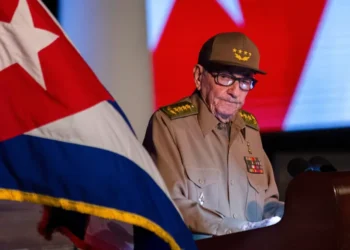
While officials from both countries held discussions earlier this year, diplomatic relations have remained strained. Additional tensions emerged in May when former Cuban President Raúl Castro was named in a U.S. indictment connected to the 1996 downing of two civilian aircraft operated by Miami-based exile groups.
As Cuba seeks to stabilize its economy, the loss of major tourism partners and continued uncertainty surrounding sanctions present new challenges for one of the country’s most important industries.