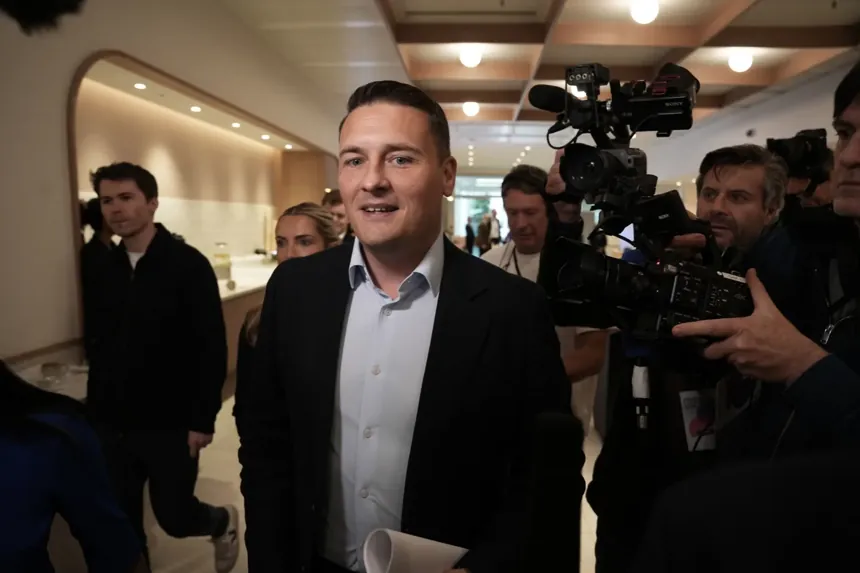
Former British health secretary Wes Streeting has formally declared his intention to challenge Prime Minister Keir Starmer for the leadership of the UK Labour Party, escalating a growing internal crisis within Britain’s governing party.
Streeting’s announcement comes amid mounting dissatisfaction inside Labour following weak local election performances and renewed debate over the government’s political direction. According to international reports and party officials, the move signals the beginning of what could become a prolonged leadership struggle with broader implications for Britain’s domestic stability and its relationship with Europe.
The former cabinet minister said he would stand in any future leadership contest, becoming the first senior Labour figure to openly position himself against Starmer’s authority. Analysts noted that the challenge reflects growing unease among Labour lawmakers over declining public confidence less than two years after the party’s landslide return to power.

Political Pressure Intensifies Inside Labour
Streeting resigned from the Cabinet earlier this month after publicly criticizing Starmer’s leadership style and accusing the prime minister of lacking strategic vision. Government insiders and British media reports suggest the resignation deepened divisions within the ruling party at a politically sensitive moment.
The leadership turbulence has unfolded against a backdrop of rising political pressure from opposition groups, including the right-wing Reform UK movement led by Nigel Farage. Labour’s losses in local elections have increased concerns among party officials about voter dissatisfaction over economic conditions, public services and migration policy.
Streeting, widely viewed as part of Labour’s moderate wing, has attempted to position himself as a reform-oriented figure capable of reconnecting the party with centrist and working-class voters. His political rise from a working-class background in east London to senior government office has frequently been highlighted by supporters as evidence of Labour’s traditional social mobility narrative.
Brexit Debate Returns to UK Politics
The leadership battle has also reopened divisions over Britain’s future relationship with the European Union.
During a political conference in London, Streeting described Brexit as a “catastrophic mistake” and argued that Britain should eventually seek closer integration with Europe again. His remarks triggered criticism from some Labour figures concerned about reopening divisive debates ahead of future elections.
■ Related News




Political analysts said the comments may resonate with pro-European voters but risk alienating constituencies that backed Britain’s departure from the EU in the 2016 referendum. The issue remains politically sensitive as London seeks stronger economic and security coordination with European partners amid wider geopolitical uncertainty.
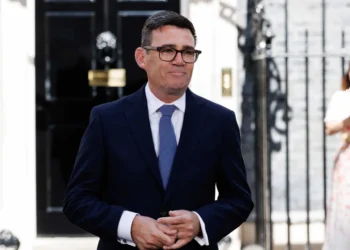
Government ministers have attempted to downplay speculation about a leadership crisis. However, reports in British media suggest other senior figures, including Greater Manchester Mayor Andy Burnham, could emerge as potential challengers if Labour’s internal tensions continue.
International Implications Closely Watched
The political uncertainty inside Britain’s governing party is being monitored closely by European allies and international markets, particularly as the UK navigates post-Brexit economic challenges and shifting transatlantic relations.
Observers noted that a prolonged Labour leadership contest could complicate Britain’s policy agenda on defense cooperation, trade negotiations and relations with the EU. Questions surrounding the government’s stability also come as European governments face broader political fragmentation and rising populist movements.
Streeting is expected to outline more detailed policy proposals in the coming weeks as Labour prepares for what may become one of the party’s most consequential internal battles in recent years.