Japan plans to deploy medium-range surface-to-air missiles on its westernmost island of Yonaguni by fiscal year 2030, ending March 2031, marking a significant step in Tokyo’s efforts to strengthen its southwestern defences amid rising regional tensions.
The timeline, confirmed this week by Defence Minister Shinjiro Koizumi, is the first formal schedule Japan has provided since the plan was announced in 2022. The move places advanced air defence systems just 110 kilometres from Taiwan, at a time when security concerns across the East China Sea are intensifying.
While Tokyo frames the deployment as defensive, it unfolds against a backdrop of strained relations with China, which claims Taiwan as its territory and has not ruled out the use of force to bring it under Beijing’s control.

The Yonaguni decision signals how Japan increasingly views its southwestern islands as a potential frontline in any regional contingency. It also reflects a broader recalibration of Japanese defence policy over the past decade.
Strengthening Japan’s Southwestern Defences
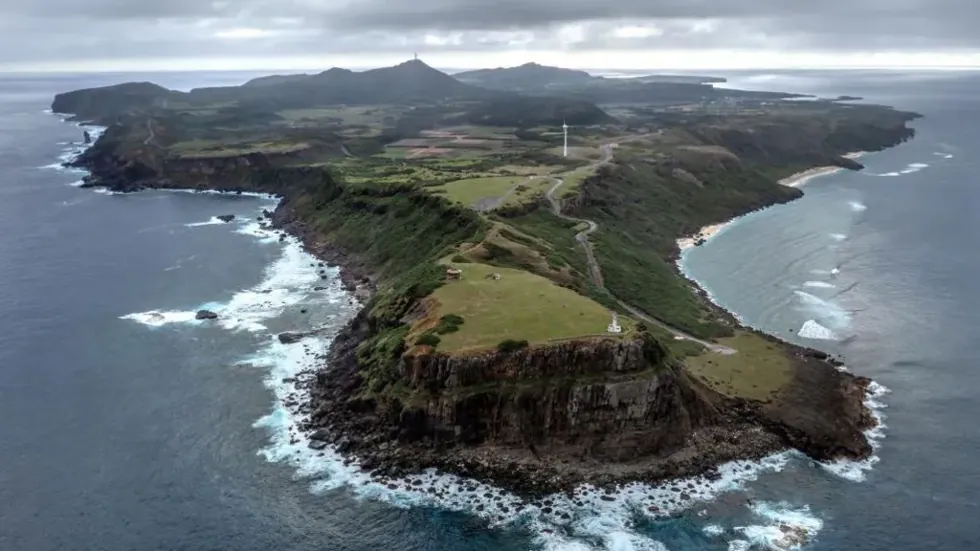
Yonaguni, Japan’s westernmost inhabited island, sits closer to Taiwan than to mainland Japan and is visible from Taiwan’s coast on clear days. Once known primarily for fishing and tourism, the island has gradually evolved into a strategic outpost.
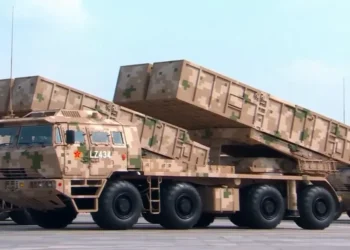
According to Koizumi, the new unit will be equipped with medium-range surface-to-air missiles capable of intercepting aircraft and incoming missiles. The deployment is scheduled for fiscal year 2030, though he noted that the timeline could shift depending on infrastructure preparations.
Japan already maintains a coastal surveillance unit on the island, staffed by around 160 members of the Japan Self-Defense Forces (JSDF). An electronic warfare unit, designed to disrupt enemy communications and radar, is due to be established in fiscal year 2026.
Together, these additions reflect Tokyo’s long-term effort to bolster deterrence across the Nansei island chain, which stretches southwest toward Taiwan.
■ Related News




Rising Tensions Over Taiwan
The announcement comes at a sensitive moment in regional diplomacy. Tensions between Tokyo and Beijing have been elevated since remarks by Prime Minister Sanae Takaichi in November appeared to suggest that Japan could activate its Self-Defense Forces in the event of an attack on Taiwan.
Those comments were widely seen as sharpening Japan’s position on Taiwan’s security — an issue that carries implications far beyond the two sides of the Taiwan Strait. The United States, which maintains close unofficial ties with Taiwan under its Taiwan Relations Act, has repeatedly signalled concern over growing Chinese military activity near the island.
Japanese officials have long argued that stability in the Taiwan Strait is directly linked to Japan’s own security, particularly given the proximity of its southwestern islands.
China has stepped up military pressure around Taiwan in recent years, including frequent air and naval manoeuvres. Beijing describes such activities as legitimate operations within its sovereign territory.
Diplomatic and Economic Friction
The missile timeline was disclosed a day after China imposed export restrictions on 40 Japanese companies and entities, citing national security concerns. While the measures were not directly linked to Yonaguni, the timing underscored the increasingly complex nature of bilateral ties.
In recent months, relations have been strained by disputes ranging from trade and rare earth exports to cultural exchanges and tourism flows. Beijing has previously accused Japan of “creating regional tension” following defence-related visits and announcements concerning Yonaguni.
When Koizumi visited the island in November, China criticised Japan’s military posture, warning against what it described as provocations. Shortly afterward, Chinese drones flew near the area, prompting Japan to scramble fighter jets in response.
China has not yet formally responded to the latest deployment schedule.
A Broader Shift in Japan’s Security Posture
Japan’s evolving defence stance reflects a significant shift from its traditionally restrained military posture. Over the past decade, Tokyo has reinterpreted its pacifist constitution, expanded defence spending and adopted new security strategies aimed at countering what it calls an increasingly severe regional environment.
The political backdrop also matters. Takaichi, widely regarded as a conservative voice on China policy, secured a strong parliamentary mandate earlier this month. Analysts say that victory provides political space for the government to accelerate defence initiatives that may once have faced greater domestic resistance.
Although the Yonaguni deployment is framed as a defensive measure, it underscores Japan’s determination to reinforce its southwestern perimeter. For policymakers in Tokyo, the island’s proximity to Taiwan makes it strategically indispensable.
Whether the move contributes to deterrence or further heightens regional tensions will depend in part on how neighbouring capitals respond. What is clear is that Yonaguni, once peripheral in Japan’s security calculations, now occupies a central place in the country’s evolving defence strategy.
Source: BBC – Japan to deploy missiles on island near Taiwan by 2031