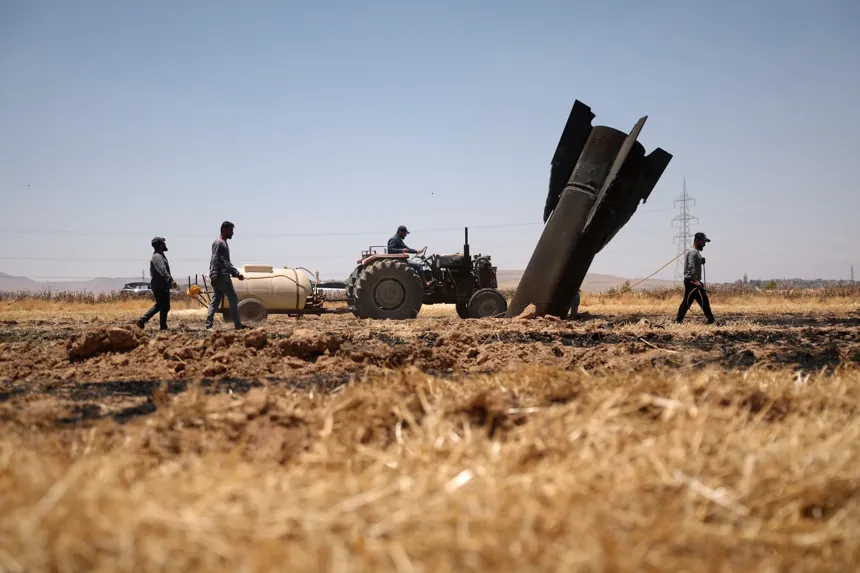
DUBAI, United Arab Emirates — Israel and Iran signaled a temporary pause in hostilities on Monday after exchanging fire for the first time since a U.S.-brokered ceasefire was established in April, according to reporting from The Associated Press and statements from officials in both countries. The brief escalation revived fears of a wider regional war before both sides indicated they were stepping back from immediate further strikes.
The latest exchange of attacks came after months of relative calm following earlier U.S.-involved military activity and an April ceasefire agreement that has struggled to hold. Officials from both Israel and Iran warned they remained prepared to retaliate if provoked, underscoring the fragility of the current lull.
The renewed violence triggered urgent international appeals for restraint, including a call from U.S. President Donald Trump for an immediate halt to fighting, according to statements cited in the reporting.

Limited pause follows renewed escalation
Iran’s military joint command issued a statement saying it was halting offensive operations, while warning that any further “aggression and hostile acts” by Israel and its allies, including in southern Lebanon, would be met with what it described as more severe responses.
Israeli Prime Minister Benjamin Netanyahu, in a videotaped statement, suggested the latest round of fighting had largely ended. However, he warned that Israel would respond with force if Iran resumed attacks, framing Israel’s posture as defensive.
Netanyahu also said Israeli operations against Hezbollah in Lebanon would continue, asserting what he described as Israel’s right to self-defense.
Casualties reported in Lebanon amid continued strikes
While the Israel-Iran exchange appeared to ease, violence continued in Lebanon. The Lebanese Health Ministry reported that Israeli airstrikes on the village of Zefta killed seven people, including a Syrian child, and wounded eight others. A separate strike on the coastal city of Tyre killed five people and injured eight, including members of the Lebanese Red Cross, according to the ministry.
Israel has continued military operations targeting Hezbollah positions in Lebanon, which it describes as part of its broader security efforts against Iran-aligned groups.
■ Related News


Airspace restrictions lifted as tensions fluctuate
Both Israel and Iran lifted certain precautionary restrictions imposed during the escalation. Israeli military authorities said most schools that had closed would reopen, while Iranian state-affiliated Mizan news agency reported the lifting of airspace restrictions affecting civilian flights.
Despite the temporary easing, key strategic chokepoints and military postures in the wider region remained unchanged. Iran has maintained its position around the Strait of Hormuz, a critical global energy route, while Israel continues operations in Lebanon.
Maritime tensions and U.S. involvement
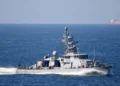
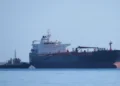
The United States has maintained enforcement actions against Iranian-linked maritime activity. U.S. Central Command said its forces disabled a Palau-flagged oil tanker in the Gulf of Oman after it allegedly attempted to breach a blockade, according to the report. The vessel caught fire during the incident, though officials in India said all 24 crew members were safe.
The operation marked the seventh commercial vessel disabled under the U.S. blockade regime that began in mid-April, highlighting the continued maritime dimension of the broader conflict.
Diplomatic efforts intensify across the region
Regional diplomacy accelerated as multiple countries, including Egypt, Saudi Arabia, Turkey, Pakistan and Qatar, urged the United States to press for restraint, according to unnamed regional officials cited in the reporting.
Pakistan’s Prime Minister Shehbaz Sharif called for calm in a post on social media, urging all sides to “exercise restraint and give peace a little more chance.”
Iran’s ambassador to the United Nations, Amir Saeid Iravani, said discussions with the United States toward a potential peace arrangement were ongoing and expressed cautious optimism that negotiations could soon reach a conclusion.
Cross-border strikes continue amid competing claims
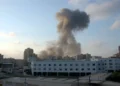
Despite the apparent pause, both sides reported ongoing strikes earlier in the day. Iranian state media said at least 15 people were wounded following explosions in Tehran and other cities, while Iranian outlets also reported strikes on industrial facilities in southern Iran.
Israel said its strikes targeted infrastructure linked to ballistic missile production and truck-based launch systems. Iranian forces, meanwhile, claimed responsibility for targeting Israeli military sites, though independent verification of battlefield claims remained limited.
Iran’s Foreign Ministry also accused the United States of being involved in the escalation, though Washington has not publicly responded to that specific claim in the materials cited.
Wider geopolitical strains and leadership tensions
The conflict has unfolded against a backdrop of increasing political strain between Israeli and U.S. leadership. Reporting indicates differences have emerged between U.S. President Donald Trump and Israeli Prime Minister Benjamin Netanyahu over the direction of military operations and the ceasefire process.
Both leaders face domestic political pressures, with Netanyahu navigating security concerns linked to northern Israel and upcoming elections, while Trump faces political stakes tied to economic impacts from regional instability.
Broader regional spillover risks persist
Yemen’s Houthi movement said it had carried out an attack on Israel and warned that it would again target Israeli-linked vessels in the Red Sea and surrounding maritime corridors, according to statements broadcast on their affiliated media outlet.
The group has previously disrupted shipping routes across the Red Sea, one of the world’s most important maritime trade corridors, adding another layer of risk to an already volatile regional security environment.
Despite the latest pause in direct Israel-Iran strikes, multiple active fronts — including Lebanon, maritime corridors, and proxy engagements — continue to keep the wider Middle East on edge.
Tags: Israel, Iran, Middle East, Hezbollah, United States