The escalating war between Iran, the United States, and Israel is beginning to reverberate far beyond the battlefield, with Tehran warning that global oil markets could soon face unprecedented strain if hostilities continue around the Strait of Hormuz.
Iranian military officials said Wednesday that the international community should brace for crude prices potentially reaching $200 per barrel, tying the forecast directly to the worsening security environment in the Gulf. The warning comes as shipping attacks increase and key maritime routes remain effectively blocked, raising concerns about the stability of one of the world’s most critical energy corridors.
According to reporting by Reuters, Iranian forces continued missile and drone operations across the region while U.S. and Israeli strikes intensified, marking one of the most dangerous phases of the conflict since hostilities began in late February.

With roughly one-fifth of the world’s oil shipments passing through the Strait of Hormuz, even a partial disruption has the potential to trigger global economic repercussions.
Energy Supply Lines Face Growing Pressure
Iran’s military command publicly tied rising oil prices to the ongoing conflict, accusing Washington and its allies of destabilizing regional security.
“Get ready for oil to be $200 a barrel, because the oil price depends on regional security which you have destabilised,” Iranian military spokesperson Ebrahim Zolfaqari said in remarks directed at the United States.
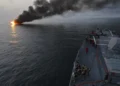
The warning follows a series of maritime attacks that have heightened fears for commercial shipping. Three additional merchant vessels were struck by projectiles in the Gulf on Wednesday, according to maritime security monitoring agencies. The incidents bring the total number of ships reportedly damaged since the start of the conflict to fourteen.
Crew members were evacuated from a Thai-flagged bulk carrier after an onboard explosion triggered a fire. A Japanese container ship and a Marshall Islands-registered vessel also sustained damage.
■ Related News



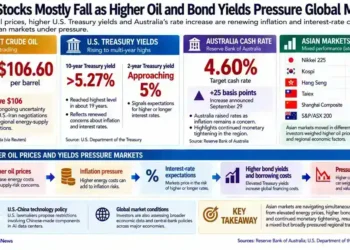
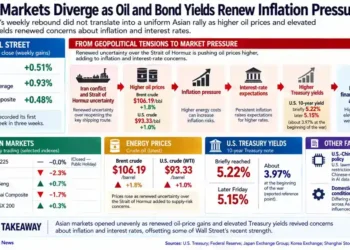
Despite the risks, financial markets have so far reacted cautiously. Oil prices briefly surged toward $120 per barrel earlier this week before settling closer to $90, reflecting investor expectations that diplomatic or military intervention could eventually reopen the strait.
Strategic Chokepoint Tests Global Energy Security
The Strait of Hormuz has long been considered one of the world’s most sensitive energy transit routes, but the current blockade represents the most severe disruption since the oil crises of the 1970s.
Tehran has indicated it will not allow oil shipments to pass through the channel until U.S.-Israeli air operations stop. At the same time, Washington has warned that attempts to permanently close the strait could trigger a significant military response.
Energy policymakers are already weighing emergency measures. According to Reuters, the International Energy Agency is expected to consider releasing as much as 400 million barrels from global strategic reserves — potentially the largest coordinated drawdown ever proposed.
Even such a release would provide only temporary relief. Analysts estimate the volume would replace roughly three weeks of normal oil flows through the strait, underscoring how dependent global markets remain on the narrow waterway.
Regional Deterrence Under Strain
The broader military confrontation shows little sign of slowing.
Iran said it launched missiles Tuesday targeting a U.S. base in northern Iraq, the U.S. Navy’s regional headquarters in Bahrain, and sites inside Israel. Explosions were reported in Bahrain, while two drones crashed near Dubai’s airport, injuring four people.
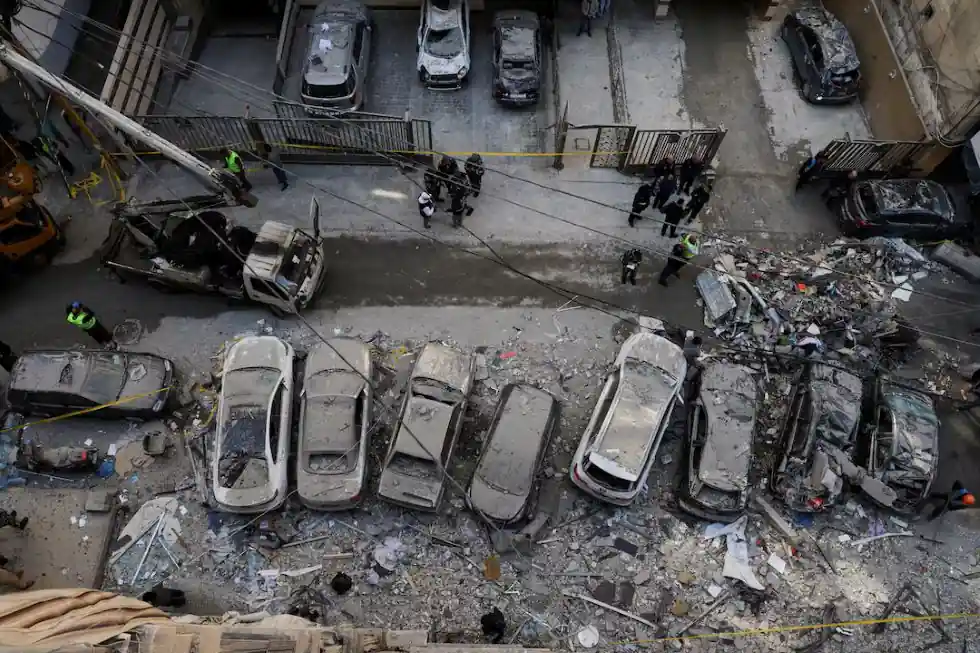
Meanwhile, Israeli air defenses intercepted incoming missiles before dawn Wednesday as sirens sounded across several cities. Israel also conducted new strikes in Beirut aimed at weakening the Iran-backed Hezbollah movement, which has fired rockets into Israeli territory in solidarity with Tehran.
Israeli Defense Minister Israel Katz said the campaign would continue “without any time limit” until military objectives are achieved, signaling that decision-makers in Jerusalem expect the confrontation to extend beyond the initial phase of the war.
Iranian Leadership Signals Defiance Despite Losses
Inside Iran, authorities are attempting to project resilience despite heavy losses among senior leadership figures.
Mass funerals for military commanders killed in earlier airstrikes drew large crowds in Tehran, with mourners carrying coffins and displaying images of former Supreme Leader Ayatollah Ali Khamenei and his son Mojtaba Khamenei, who is widely seen as his successor.
An Iranian official told Reuters that Mojtaba Khamenei was lightly wounded early in the conflict during airstrikes that killed several members of his family. He has not appeared publicly since the war began.
At the same time, Iran’s internal security forces have issued strict warnings against domestic unrest. Police chief Ahmadreza Radan said any public protests would be treated as hostile action.
Global Economic Risk Builds as Conflict Drags On
The longer the confrontation continues, the more likely energy markets and global trade networks will feel its effects.
Hundreds of thousands of residents have reportedly fled Tehran following repeated airstrikes, while smoke from burning oil facilities has polluted parts of the city. Civil aviation authorities in Bahrain have already relocated several aircraft to alternative airports to maintain operations amid regional security concerns.
Diplomatic channels remain largely frozen. Iranian officials have ruled out negotiations while U.S. and Israeli strikes continue, while Washington has warned it could respond forcefully if Tehran attempts to enforce a prolonged blockade of the Strait of Hormuz.
If neither side de-escalates, analysts say the conflict could transform from a regional military confrontation into a global economic crisis — with oil markets serving as the first and most visible pressure point.