The ceasefire involving Iran, Israel, and the United States is less a final settlement than a tactical pause inside a wider regional conflict system. The immediate agreement—brokered by Pakistan as a two-week halt in direct U.S.-Iran hostilities—has reduced the risk of short-term escalation, especially around the Strait of Hormuz, one of the world’s most critical oil transit chokepoints. Yet Reuters and other international reporting show that major disputes over nuclear policy, maritime control, proxy conflicts, and regional deterrence remain intact.
What makes this ceasefire particularly significant is that it sits at the intersection of three overlapping arenas: the Iran–Israel shadow war, direct U.S.–Iran confrontation, and the wider regional network involving Lebanon, Gulf shipping, and global energy markets. While the truce has temporarily slowed direct military exchanges, it has not addressed the strategic logic that produced the conflict in the first place.
The immediate trigger: from escalation to pause
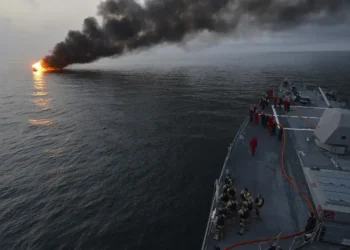
The current ceasefire emerged after roughly 40 days of intense confrontation involving U.S. and Israeli strikes on Iranian-linked military and nuclear targets, followed by Iranian retaliation against Gulf energy infrastructure and maritime routes. According to Reuters, the agreement was reached after Pakistan-mediated diplomacy created a narrow opening just before a U.S. escalation deadline expired.

At the core of the deal is a limited suspension of attacks and a partial reopening of the Strait of Hormuz. This waterway carries a major share of global seaborne oil exports, which means even a temporary disruption can ripple through shipping insurance, commodity pricing, and inflation expectations worldwide.
The ceasefire therefore matters far beyond the Middle East. It functions as an economic stabilization mechanism as much as a military one.
Historical roots of the conflict system
The Iran–Israel confrontation did not begin with the current war cycle. Its roots stretch back to the 1979 Iranian Revolution, which transformed Iran from a strategic U.S. partner into one of Washington’s principal regional adversaries. Over the decades, Israel came to view Iran’s nuclear ambitions and support for armed regional allies as existential threats.
The United States’ role evolved from indirect backing of Israel and Gulf allies into periodic direct intervention, particularly when maritime trade routes or nuclear red lines were perceived to be at risk.
This long history explains why ceasefires in this arena are rarely simple bilateral arrangements. They must navigate ideological hostility, nuclear deterrence, domestic political pressures, and alliance credibility simultaneously.
■ Related News



Why the ceasefire remains structurally weak
The central weakness is that the truce pauses violence without resolving the issues that caused it.
First is Iran’s nuclear program. Reuters reporting from the Islamabad talks shows the United States continues to insist on non-proliferation guarantees, while Iran seeks recognition of at least some enrichment rights.
Second is the Strait of Hormuz. Tehran sees the waterway as both sovereign leverage and strategic deterrence. Washington and global shipping markets, by contrast, treat uninterrupted passage as a non-negotiable international economic interest.
Third is the Lebanon and Hezbollah question. One of the clearest signs of fragility is disagreement over whether Israel’s operations in Lebanon fall within the ceasefire framework. Because Hezbollah is closely aligned with Iran, military activity there can rapidly spill back into the U.S.-Iran track.
This layered ambiguity means all sides can claim compliance while accusing rivals of violations.
The U.S. strategic calculation
For Washington, the ceasefire serves several immediate goals.
It lowers the risk of a prolonged regional war that could threaten energy markets, U.S. bases, and allied governments. It also creates diplomatic space to pursue nuclear and maritime concessions without appearing to retreat under pressure.
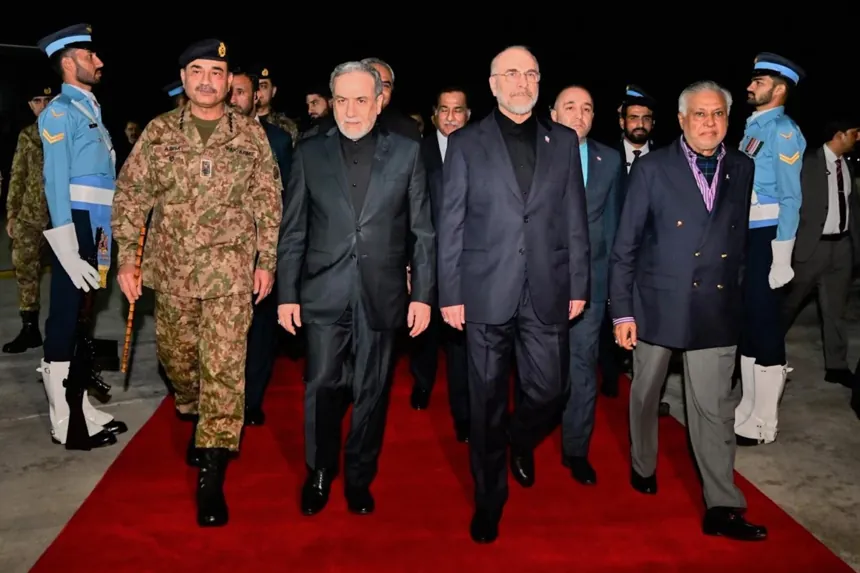
However, the failed follow-up talks in Islamabad underscore how limited this breathing room may be. Reuters reported that after 21 hours of negotiations, the U.S. and Iranian delegations left without a deal, with both sides blaming incompatible demands.
This suggests the ceasefire may function more as crisis management than a pathway to durable peace.
Israel’s security doctrine and the limits of the truce
Israel’s position differs from Washington’s in one important way: its strategic focus extends beyond direct Iranian military assets to Iran’s regional network.
That includes Hezbollah in Lebanon, missile supply routes, and nuclear-linked infrastructure. As a result, Israel may continue operations that it views as essential to degrading long-term threats, even if such actions complicate U.S.-Iran diplomacy.
This creates a classic alliance tension: Washington may prioritize de-escalation, while Israel prioritizes attritional weakening of Iranian capabilities.
That divergence is one reason the ceasefire remains inherently unstable.
Global economic implications
The most immediate international consequence of the ceasefire is energy market relief.
Reuters noted that oil prices fell after the truce announcement, largely because traders interpreted the temporary reopening of Hormuz as reducing worst-case supply risks.
Yet markets remain highly sensitive because the structural vulnerability persists. The waterway can still be disrupted by mines, missile threats, or insurance-driven commercial caution.
For import-dependent economies across Asia and Europe, this means the ceasefire lowers immediate volatility but does not remove the geopolitical risk premium embedded in energy pricing.
Why the issue persists
The deeper reason this conflict repeatedly returns is that all parties still derive strategic value from controlled instability.
Iran uses calibrated escalation to reinforce deterrence and bargaining power.
Israel uses periodic military pressure to prevent strategic surprise.
The United States uses diplomatic pauses to preserve regional influence while avoiding open-ended war.
Because these incentives are embedded in national security doctrine, ceasefires tend to freeze the conflict rather than transform it.
Conclusion
What is currently known is that the Iran–Israel–U.S. ceasefire has reduced the immediate risk of direct escalation, stabilized parts of the Gulf shipping environment, and opened a narrow diplomatic channel. Reuters reporting, however, shows that follow-up talks have already stalled over nuclear restrictions, reparations, and maritime control.
What remains unresolved is more consequential than what has been temporarily paused: the future of Iran’s nuclear program, Israel’s regional security doctrine, and the status of proxy theaters such as Lebanon. That is why the ceasefire continues to matter globally. It is not simply a pause in fighting, but a test of whether regional deterrence structures can be temporarily managed without being fundamentally redesigned.