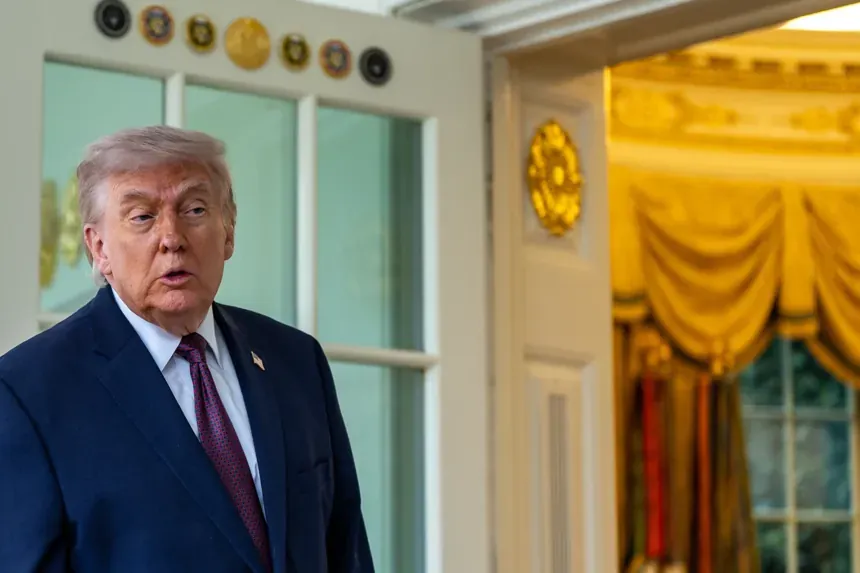
The fragile ceasefire between Washington and Tehran is entering a more dangerous diplomatic phase as the U.S. naval blockade of Iranian ports introduces a new layer of coercive pressure that now threatens to overtake the mediation track itself. As first reported by The Associated Press, regional intermediaries have secured only an “in principle” understanding to extend the truce, but the blockade has shifted the center of gravity from de-escalation to leverage.
Rather than stabilizing the negotiating environment, the maritime restrictions have amplified distrust around what was already a narrow diplomatic window. The ceasefire, due to expire next week, is now increasingly tied not only to nuclear concessions but to the future of commercial access through the Gulf and the political credibility of mediators working to prevent a return to open conflict.
For international diplomats, the issue is no longer simply whether talks resume, but whether the blockade itself becomes the defining reality that reshapes the terms of any future settlement. That makes the current phase less about ceasefire maintenance and more about diplomatic fallout management.

Diplomatic Space Narrows as Economic Pressure Expands
The U.S. decision to enforce a de facto maritime blockade has introduced immediate economic consequences that now bleed directly into negotiations. Ships linked to Iranian trade routes have reportedly reversed course or paused movement in the Gulf of Oman, signaling that the pressure campaign is already affecting Tehran’s export lifelines.
This changes the diplomatic equation in two critical ways. First, it raises the domestic political cost for Iranian negotiators, who now face talks under visible economic duress. Second, it complicates the role of third-party mediators, particularly regional states attempting to preserve a face-saving extension mechanism.
The blockade therefore functions not only as military signaling, but as a diplomatic constraint: every additional day of restricted trade compresses Tehran’s room to compromise while increasing Washington’s expectation of larger concessions.
Regional Trade Routes Become the New Pressure Point
The most immediate strategic consequence is the widening risk to regional maritime commerce. Iranian military officials have openly threatened retaliatory disruptions extending beyond their own ports to wider Gulf shipping lanes, including the Sea of Oman and Red Sea corridors.
That warning transforms a bilateral ceasefire dispute into a broader regional destabilization risk. Energy markets, shipping insurers, and Gulf states now face a scenario in which ceasefire diplomacy is inseparable from freedom of navigation.



The Strait of Hormuz remains the central pressure node. Any perception that maritime access is being weaponized by either side raises the probability that third countries—especially major Asian energy importers—will intensify pressure for a rapid diplomatic framework.
This is where the fallout extends beyond the battlefield: the ceasefire’s survival is now linked to the credibility of commercial guarantees.
Nuclear and Compensation Talks Face Secondary Risk
According to AP reporting, mediators are still attempting to bridge three unresolved issues: Iran’s nuclear program, navigation through Hormuz, and wartime compensation.
Yet the blockade risks subordinating all three to the more immediate question of economic survival. Tehran may now calculate that conceding on nuclear limits while under active maritime restriction would project weakness domestically and regionally.
That perception matters because diplomacy under visible coercion often narrows the political legitimacy of compromise. The result is a paradox: the very leverage designed to force progress may instead harden negotiating positions.
This creates a secondary diplomatic risk in which technical issues—uranium restrictions, verification timelines, compensation formulas—become harder to finalize because the talks are increasingly framed through strategic humiliation rather than mutual de-escalation.
Mediators Now Face a Credibility Test
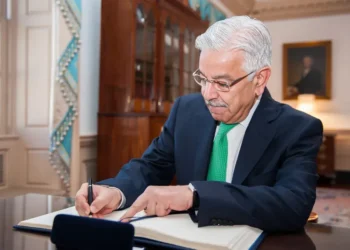
Pakistan and other regional intermediaries are no longer merely facilitators of talks; they are now custodians of a deteriorating diplomatic architecture. Their ability to secure even a short extension will likely determine whether the ceasefire evolves into a broader political process or collapses into renewed escalation.
The forward risk is clear: if the blockade remains in place without parallel diplomatic concessions, mediators may struggle to persuade Tehran that negotiations still offer strategic value. That would leave the ceasefire framework technically alive but politically hollow.
The larger consequence is that diplomatic fallout may outlast the current truce itself. Even if the ceasefire is extended, the precedent of combining maritime coercion with ongoing negotiations could redefine how future regional crises are managed.
In that sense, the current standoff is becoming less a test of ceasefire durability and more a test of whether coercive leverage can coexist with credible diplomacy in one of the world’s most sensitive security theaters.