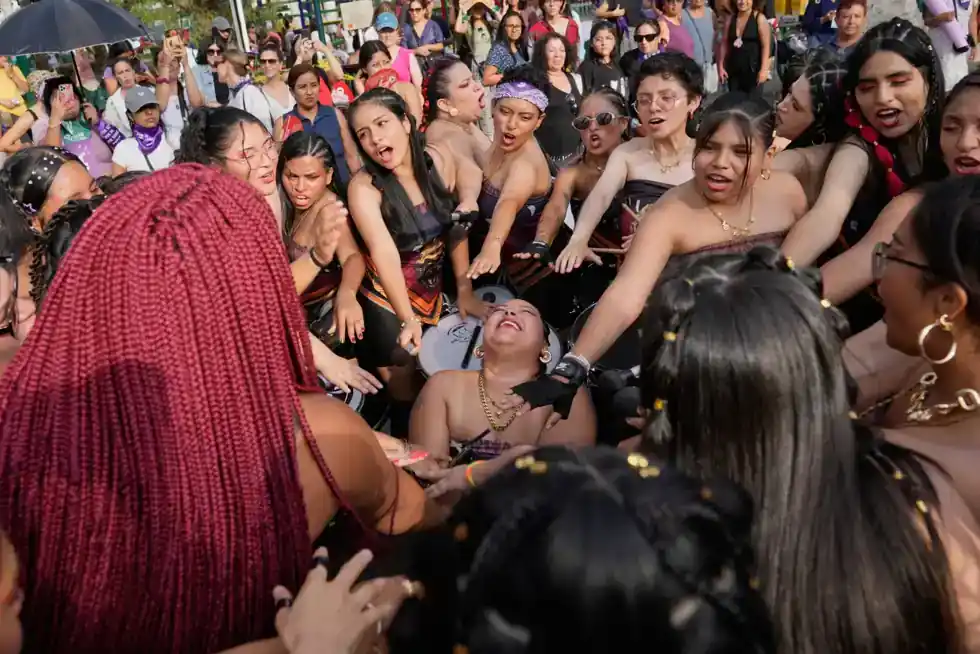
International Women’s Day was marked across multiple continents on March 8, with governments, international organizations, and civil society groups mobilizing programs to strengthen gender equality. Officials from the United Nations emphasized the day’s role in coordinating policy responses and evaluating progress on women’s social, economic, and political rights globally. The observance has taken on increased significance as nations face scrutiny over persistent disparities in leadership representation, labor participation, and access to education.
Institutional Coordination Expands
The Associated Press reported that the United Nations Development Programme partnered with regional governments to launch campaigns focusing on women’s economic empowerment in Asia, Africa, and Latin America. Officials indicated that these initiatives aim to reduce gaps in workforce participation and to strengthen frameworks for female entrepreneurship. Analysts told Reuters that the coordinated approach reflects a growing expectation for multilateral institutions to lead gender equity initiatives rather than leaving progress solely to national governments.
Economic Implications of Gender Inequality
Financial Times Global Affairs highlighted that countries with persistent gender pay gaps and limited female labor participation may face slowed economic growth, according to recent UN studies. Government officials in Brussels and Nairobi stressed that institutional support for women in leadership roles is now considered a key economic policy measure, with potential impacts on fiscal planning, innovation, and trade competitiveness.

Policy Response and Diplomatic Significance
In remarks broadcast by the BBC, UN officials noted that International Women’s Day serves as a platform for reviewing commitments under the United Nations Sustainable Development Goals, particularly SDG 5 on gender equality. Diplomats from multiple countries highlighted how cross-border advocacy and policy benchmarking can influence legislative reforms, including workplace equality, anti-discrimination statutes, and investment in girls’ education. Observers told Reuters that sustained international attention can accelerate legal reforms, with implications for bilateral and multilateral partnerships.
Regional Observances Signal Global Alignment
Across Europe, Africa, and Asia, national governments aligned celebrations with international campaigns, emphasizing both symbolic and actionable initiatives. The Associated Press noted coordinated media campaigns, policy briefings, and public education programs in countries including Germany, India, and South Africa. Regional UN offices highlighted that these synchronized efforts help maintain pressure on national institutions to meet internationally agreed gender equality benchmarks.
Forward-Looking Institutional Outlook
Experts told the Associated Press that International Women’s Day increasingly functions as a metric for evaluating institutional performance on gender issues. The global alignment of campaigns, policy reviews, and program funding underscores the role of international organizations in shaping national agendas. Analysts suggested that consistent institutional oversight could drive measurable outcomes in female workforce integration, leadership representation, and access to education, potentially influencing broader economic and diplomatic relations.