Passengers evacuated from the virus-stricken MV Hondius have begun returning to more than 20 countries under strict medical monitoring, as governments coordinate containment measures following a rare hantavirus outbreak linked to the expedition vessel.
The outbreak, which has already been associated with three deaths and several confirmed or suspected infections, has prompted an unusually broad international public health response involving the World Health Organization, European health agencies, and U.S. infectious disease specialists. Officials say the incident represents the first known hantavirus outbreak aboard a cruise ship.
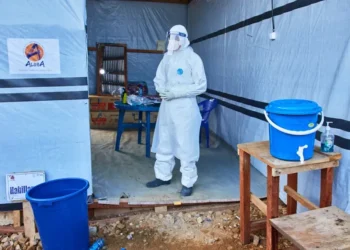
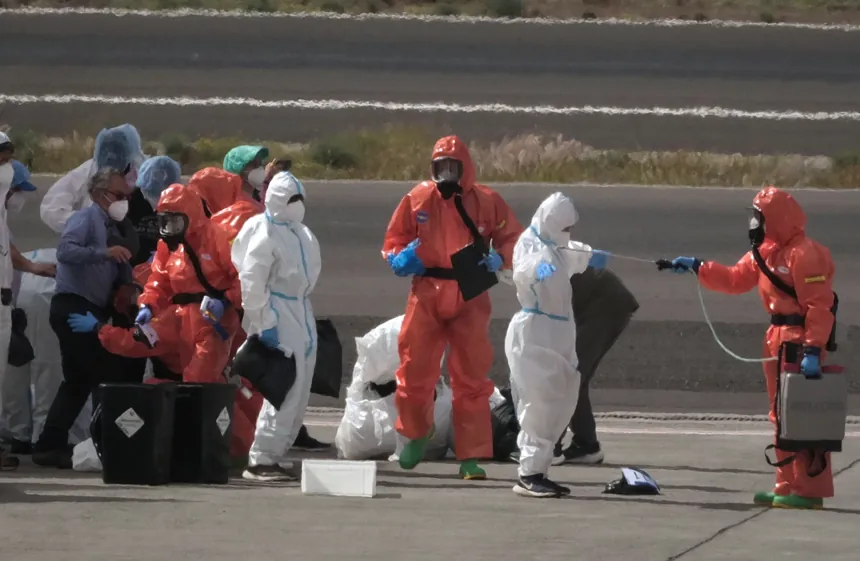
Passengers disembarked in the Canary Islands over the weekend before being transported aboard government and military aircraft to destinations across Europe, North America, and Asia. Medical teams wearing full protective equipment escorted travelers during evacuation procedures, reflecting growing concern over the Andes strain of hantavirus, a rare variant capable of limited human-to-human transmission.

International health agencies have emphasized that the broader public risk remains low, but the cross-border nature of the incident has forced governments to activate quarantine and contact-tracing systems reminiscent of earlier pandemic-era operations. WHO officials recommended up to 42 days of monitoring for exposed individuals because of the virus’s incubation period.
Global Health Coordination Intensifies
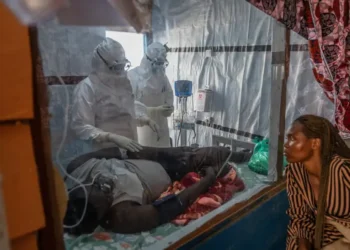
Authorities in the United States transferred several returning passengers to specialized biocontainment units in University of Nebraska Medical Center and Emory University Hospital, according to Reuters reporting and statements from U.S. health agencies. One American passenger tested positive after evacuation, while another developed symptoms during the repatriation process.
European governments have also adopted varying isolation measures. France placed evacuees under strict medical supervision after a French passenger tested positive, while British authorities quarantined returning travelers at designated infectious disease facilities. Spain, Greece, and other countries implemented additional containment protocols as passengers arrived from Tenerife.
The incident has highlighted the logistical challenges of managing infectious disease exposure aboard international cruise routes, where passengers and crew from dozens of countries can disperse rapidly before symptoms emerge. Analysts interviewed by international media noted that the operation has required extensive diplomatic coordination between health ministries, aviation authorities, and emergency response agencies.
Regional Health Security Concerns Grow
The outbreak originated during an Antarctic expedition voyage that departed from Ushuaia in early April. Early cases were reportedly linked to passengers who had traveled through regions in South America where the Andes strain is endemic.
■ Related News




Global contact-tracing efforts intensified after dozens of passengers reportedly left the vessel before the outbreak was fully identified, dispersing across multiple continents. Public health authorities in at least a dozen countries have since monitored potentially exposed travelers, including passengers who returned to the United States, Europe, Australia, and Asia.
The WHO has stressed that hantaviruses are generally transmitted through exposure to infected rodent waste and are not easily spread between people. However, the Andes strain has previously demonstrated limited human-to-human transmission in close-contact environments, raising concern among infectious disease specialists monitoring the ship-related cases.
Strategic Implications for International Travel
The outbreak is likely to increase scrutiny of infectious disease preparedness within the global cruise industry, particularly for expedition vessels operating in remote regions with limited medical infrastructure. Governments involved in the evacuation operation have already begun reviewing quarantine coordination procedures and emergency transport capabilities for future cross-border health incidents.
The ship itself is reportedly continuing toward Rotterdam for inspection and disinfection while crew members remain under observation. WHO officials have repeatedly stated that the situation does not represent a pandemic-level threat, though international monitoring operations are expected to continue for several weeks as authorities assess whether additional infections emerge.