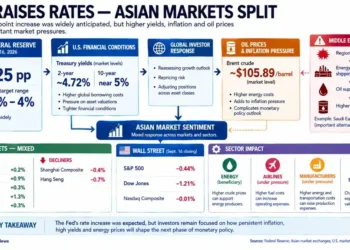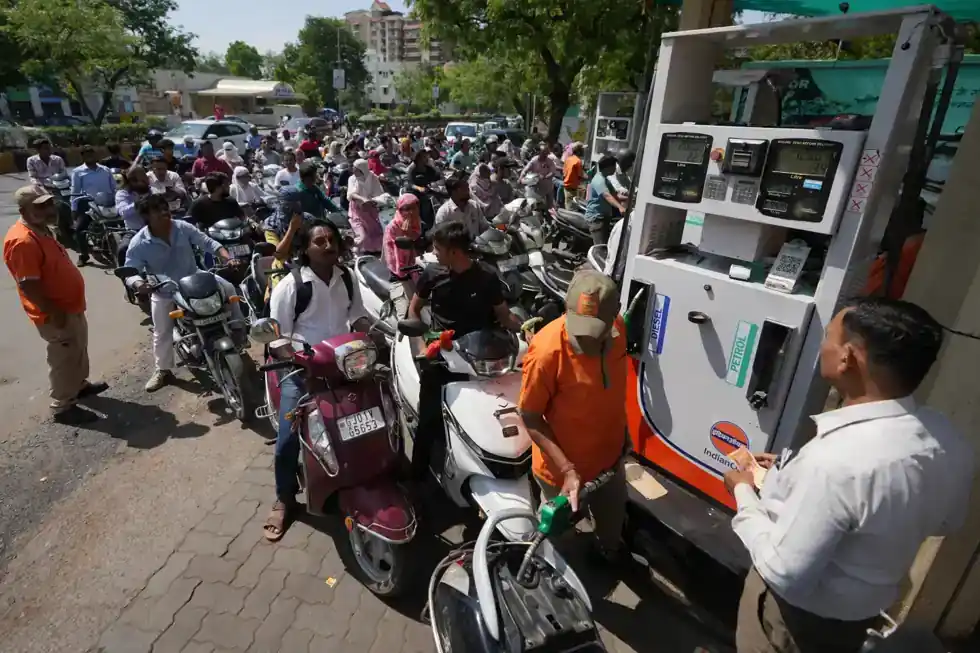
Global fuel prices have increased sharply in recent weeks as disruptions to oil supply routes linked to the ongoing Iran conflict tighten energy markets, placing sustained pressure on consumer spending and transport-dependent industries. Benchmark Brent crude prices briefly approached $120 per barrel before retreating to around $101, according to market data cited by Reuters, though retail fuel costs remain elevated across major economies.
The persistence of high pump prices, despite recent declines in crude benchmarks, reflects structural delays in the oil supply chain and underscores the lag between wholesale market movements and consumer pricing. This dynamic is amplifying cost-of-living pressures globally, particularly in lower-income and transport-reliant sectors.
Oil Market Volatility and Supply Chain Lag
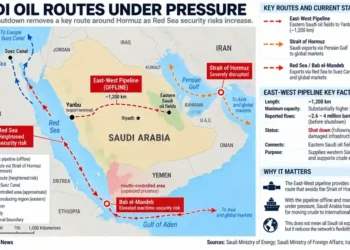
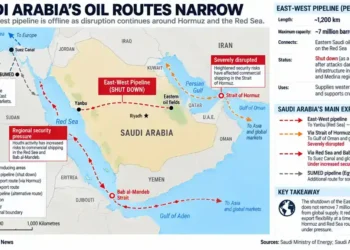
Crude oil markets have experienced heightened volatility amid concerns over restricted flows through the Strait of Hormuz, a critical transit route for global energy supplies. While statements from Donald Trump suggesting potential diplomatic engagement with Iran contributed to a near 10% weekly decline in Brent prices, Iranian officials disputed the existence of negotiations, limiting market confidence.

Industry analysts note that even when crude prices decline, downstream effects on refined fuel costs are delayed. Oil must move through extraction, refining, and distribution stages before reaching retail markets, a process that can take several weeks, according to energy sector data compiled by Bloomberg.
Household Budgets Under Pressure
The sustained increase in fuel costs is feeding into broader inflationary pressures, with transport expenses rising across both developed and emerging markets. Data from national statistics agencies and central bank reports indicate that energy-related expenditures are a key contributor to elevated consumer price indices in multiple regions.
In Latin America, Europe, and Africa, wage growth has not kept pace with rising fuel and food costs, leading to reduced discretionary spending. Economists cited by the Financial Times note that lower-income households are disproportionately affected, as energy and transport make up a larger share of total expenditure.
Transport Sector Strain in Emerging Markets
The impact is particularly pronounced in public and informal transport sectors, where operators face limited pricing flexibility. In the Manila metropolitan area, drivers of traditional jeepneys—an essential mode of public transportation—are contending with rising diesel costs, which have outpaced gasoline price increases in recent weeks.
Industry groups in Southeast Asia report that operators are either reducing service frequency or absorbing losses to maintain ridership levels, raising concerns about the long-term viability of transport services in densely populated urban centers.


Broader Economic Implications
Rising fuel prices are contributing to a tightening of household consumption patterns globally, with knock-on effects for retail, travel, and service sectors. According to OECD estimates, sustained energy price increases could dampen economic growth by reducing disposable income and increasing operating costs for businesses.
While short-term relief may depend on geopolitical developments and supply stabilization, analysts caution that continued uncertainty in key oil-producing regions could prolong volatility in energy markets.