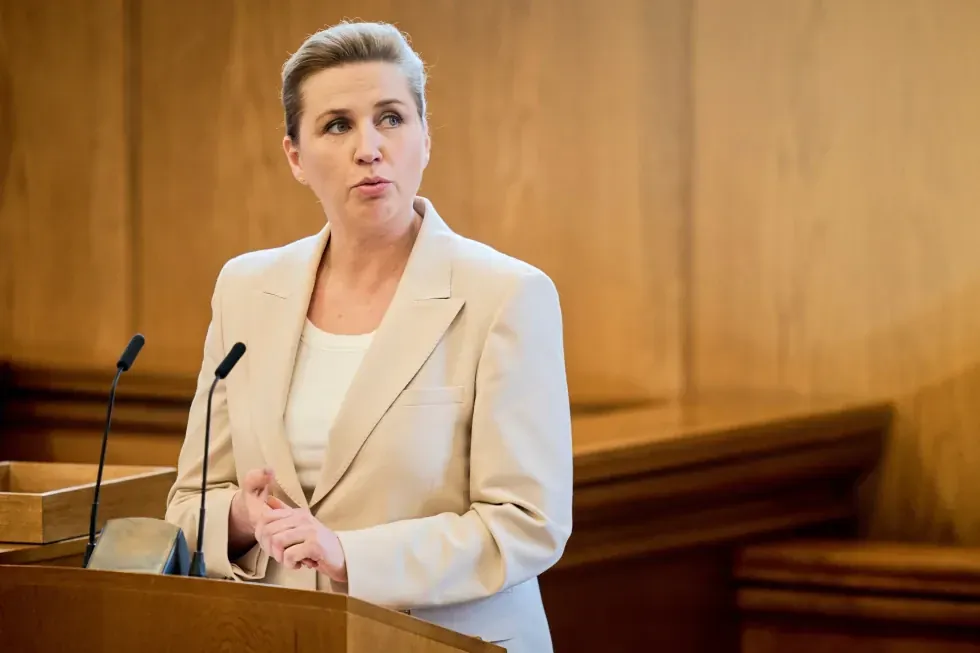
Denmark will hold a general election on March 24 after Prime Minister Mette Frederiksen called an early vote following months of strain with U.S. President Donald Trump over Greenland. The decision comes as Copenhagen reassesses its foreign policy footing and domestic priorities after a diplomatic standoff that unsettled one of Europe’s most stable political landscapes.
Announcing the election in parliament on Thursday, Frederiksen said voters would determine Denmark’s direction “over the next four years.” Her move follows a period of heightened tensions with Washington over the future of Greenland, the vast Arctic territory that remains part of the Danish kingdom but governs its own domestic affairs.
The election will decide the composition of Denmark’s 179-member parliament, including two representatives each from Greenland and the Faroe Islands. Denmark is a member of both NATO and the European Union, alliances that have framed much of the recent debate.

US-Greenland dispute reshapes campaign backdrop
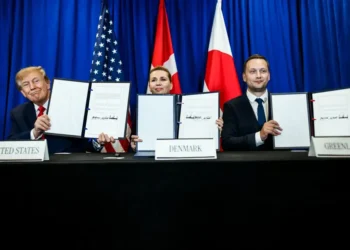
Trump’s push for U.S. control over Greenland, including a short-lived threat to impose tariffs on Denmark and other European countries, presented one of the most serious foreign policy tests of Frederiksen’s tenure. Although Washington later softened its stance and entered technical discussions with Denmark and Greenland on Arctic security cooperation, the episode left political reverberations at home.
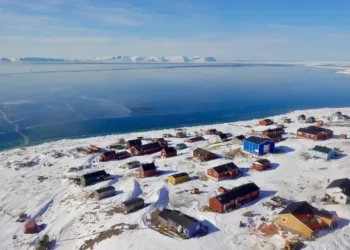
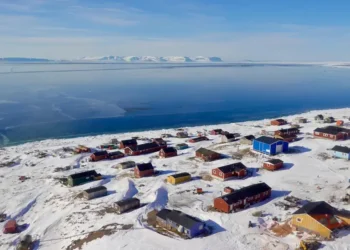
Frederiksen warned last month that an American takeover of Greenland would effectively undermine NATO’s foundations, underscoring the strategic and symbolic weight of the territory. Greenland occupies a pivotal position in the Arctic, where melting sea ice has heightened geopolitical competition and military interest among global powers.
Opinion surveys in recent weeks have indicated a rise in support for Frederiksen’s center-left Social Democrats, coinciding with the period dominated by the Greenland dispute. Some Danes responded to Trump’s remarks with protests and informal boycotts of American goods, reflecting public unease over the sovereignty issue.
While Trump is not expected to dominate campaign rallies or debates directly, political analysts say the episode will linger as a backdrop. Frederik Hjorth, an associate professor of political science at the University of Copenhagen, said the crisis has contributed to a noticeable boost for the governing parties.
According to Hjorth, the issue reinforces the government’s message about the need for experienced leadership during uncertain times. In her announcement, Frederiksen framed the vote as pivotal, arguing that Denmark and Europe must increasingly “stand on our own two feet” in security and defense matters.



She linked the broader security environment to Russia’s ongoing war in Ukraine, now in its fifth year, and emphasized the need for European cohesion. Her comments reflected a wider debate across Europe about defense spending and strategic autonomy amid shifting transatlantic dynamics.
Immigration and cost of living also in focus
Beyond foreign policy, domestic concerns are expected to shape the campaign. Frederiksen has built a reputation for strict immigration policies, positioning her Social Democrats among Europe’s tougher center-left governments on migration.
Last month, her administration introduced a legal reform allowing the deportation of foreign nationals sentenced to at least one year in prison for serious crimes. In earlier years, Denmark also explored proposals to process asylum applications outside the EU and establish external return centers for rejected asylum seekers — ideas that were once controversial but have since entered mainstream European discussions.
Analysts say cost-of-living pressures are also likely to feature prominently. Although Denmark remains one of Europe’s wealthier economies, rising prices have affected households, mirroring trends seen elsewhere on the continent.
A general election must be held at least every four years, but Danish prime ministers can call one earlier. The last vote, in November 2022, resulted in a rare three-party coalition spanning traditional left-right divides. Frederiksen has governed since 2019 and currently leads a coalition that includes the Liberal Party and the centrist Moderates, headed by former prime minister and current Foreign Minister Lars Løkke Rasmussen.
If re-elected, Frederiksen would secure a third term, further consolidating her position in Danish politics at a time when European leadership has seen frequent turnover.
Campaign begins immediately
Political advertising and campaign outreach began swiftly after the election announcement. Supporters of the Danish People’s Party, a populist anti-immigration group, were seen distributing leaflets in Copenhagen, while major media outlets carried advertisements for the Social Democrats.
Some voters said the timing of the election appeared strategic. Laura Beyer, a 33-year-old social media marketing professional in Copenhagen, said rising support for Frederiksen made the decision understandable.
Referring to the Greenland episode, she said the prime minister had handled the situation as effectively as possible under significant pressure. “I think she’s done the best that she could,” Beyer said.
Whether the Greenland dispute translates into lasting electoral gains remains uncertain. Yet the early vote underscores how foreign policy tensions — particularly involving Arctic security and transatlantic relations — have moved to the forefront of Danish political life in a way rarely seen in recent decades.
As campaigning intensifies, voters will weigh not only the government’s handling of an unexpected diplomatic confrontation but also familiar domestic questions about immigration, economic stability and Denmark’s role in a shifting European order.
Source: AP News – After tense US-Greenland standoff, Denmark calls an early election