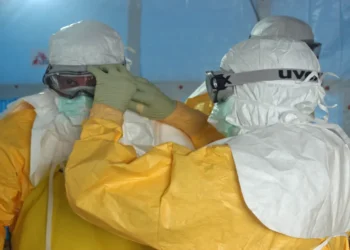
BUNIA, Democratic Republic of the Congo — As eastern Congo confronts a rapidly growing Ebola outbreak, volunteers preparing meals for patients and medical staff have become an essential part of the humanitarian response, providing support in a region already strained by conflict, displacement and food insecurity. The outbreak, caused by the rare Bundibugyo strain of the Ebola virus, has raised international concern due to the absence of an approved vaccine or treatment.
According to the World Health Organization, 321 confirmed Ebola cases and 48 deaths had been recorded across the eastern provinces of Ituri, North Kivu and South Kivu as of Tuesday. Neighboring Uganda has also reported infections linked to the outbreak, underscoring the regional implications of the health crisis.
Food Assistance Becomes a Critical Lifeline
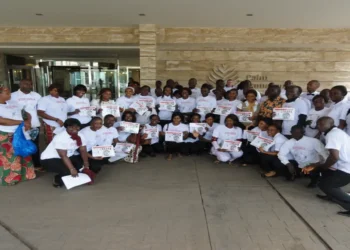
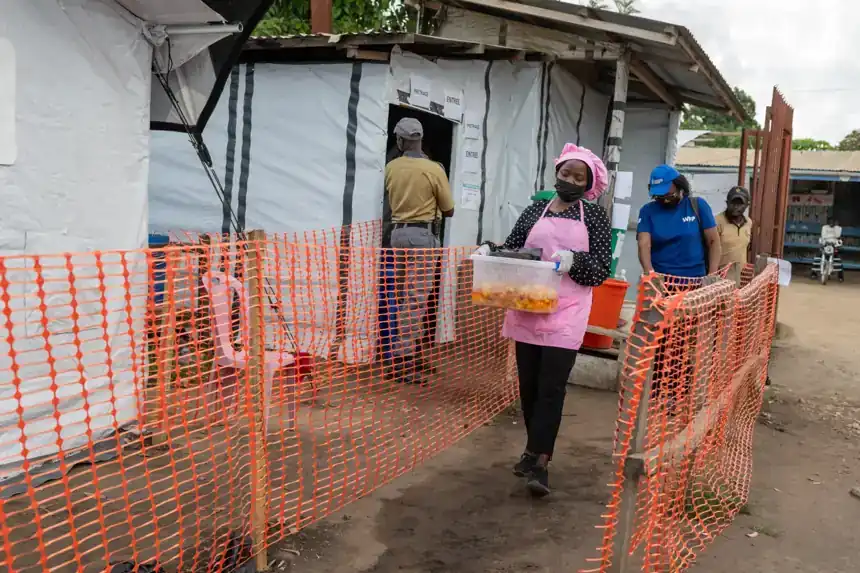
At the Evangelical Medical Center in Bunia, the center of the outbreak, volunteers working with the United Nations World Food Programme prepare daily meals for patients receiving treatment and for health workers responding to the epidemic. The effort includes providing locally familiar foods such as porridge, bread, fish, fruit and traditional dishes designed to meet nutritional needs during treatment.

Humanitarian workers told The Associated Press that adequate nutrition has become an important component of patient care. More than 400 meals have been distributed since the food assistance operation began, helping sustain both patients and frontline medical personnel.
The food program comes as aid agencies face growing financial pressure. The World Food Programme has warned that funding reductions from several international donors have disrupted operations in eastern Congo, potentially limiting assistance if the outbreak continues to expand.
Response Complicated by Conflict and Mistrust
Health authorities and aid organizations continue to face significant obstacles in containing the virus. Armed conflict, population displacement and attacks on health workers have complicated efforts to deliver medical care and conduct public health campaigns. Community mistrust and misinformation have also hindered response measures in some areas.
The International Committee of the Red Cross and the Congolese Red Cross have deployed volunteers to conduct community outreach, infection-prevention campaigns and safe burial operations. Humanitarian organizations say public cooperation remains crucial to slowing transmission and encouraging people to seek treatment early.
Meanwhile, the International Organization for Migration has cautioned governments against border closures, arguing that restrictions could drive cross-border movement through unofficial routes and make surveillance more difficult. Uganda nevertheless closed its border with Congo after reporting cases linked to the outbreak.
■ Related News

Signs of Hope Amid Growing Concern
Despite the worsening situation, health officials have reported a small number of recoveries. At least five patients have recovered from the disease, offering encouragement to medical teams working under difficult conditions. WHO Director-General Tedros Adhanom Ghebreyesus has described the scale and speed of the outbreak as deeply concerning while urging stronger international support for containment efforts.
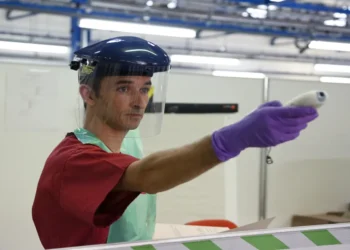
Authorities in Congo have also reopened Bunia’s airport for domestic flights, introducing temperature screenings and other health measures aimed at limiting the spread of the virus while maintaining essential transportation links.
Regional Health Emergency Draws Global Attention
The World Health Organization has classified the outbreak as a public health emergency of international concern. Health officials continue to monitor suspected cases while expanding testing and treatment capacity. WHO figures show that many initially suspected infections have since been ruled out following investigations, though the confirmed caseload remains substantial.
As the response continues, volunteers serving meals in Bunia represent a less visible but important part of the fight against Ebola. In a region facing overlapping humanitarian crises, aid workers say providing food, comfort and routine can be as important as medical treatment for patients confronting a disease that remains difficult to contain.