BUNIA, Democratic Republic of Congo — In a crowded displacement camp in eastern Congo, residents facing a growing Ebola outbreak have only one thermometer, limited soap and almost no clean water, highlighting the severe humanitarian conditions confronting health workers trying to contain the disease.
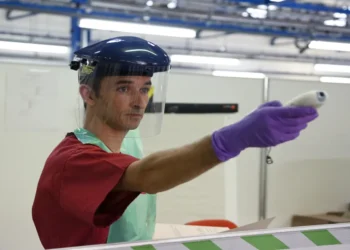
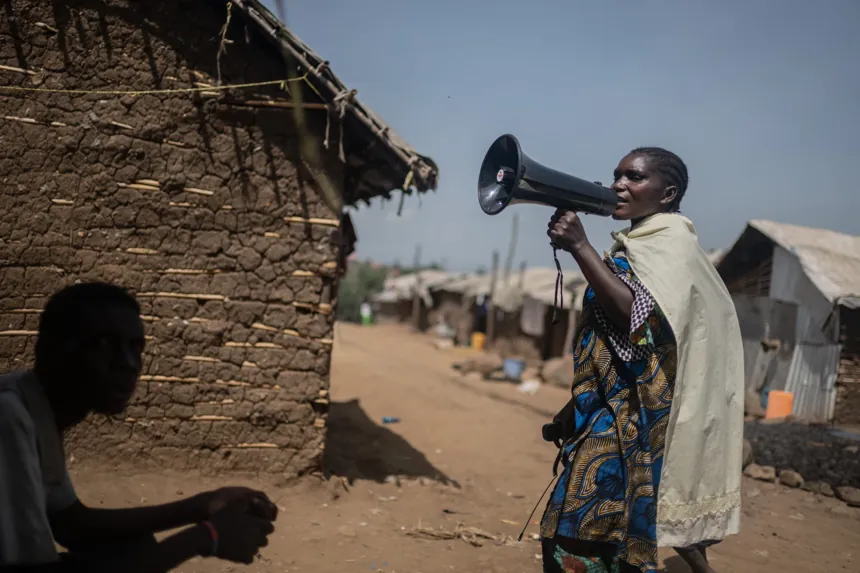
At the ISP displacement camp in Bunia, home to roughly 10,000 internally displaced people, camp leaders said residents are being encouraged to clean their hands with oatmeal or sand when soap is unavailable. The camp has a single handwashing station and one infrared thermometer, according to reporting from The Associated Press.
“My fear is that we are here with nothing to protect ourselves,” camp resident Francine Leve Janguzi told AP while standing beside a dry water tap.

The camp sits in Ituri province, the center of a rapidly expanding Ebola outbreak involving the rare Bundibugyo strain of the virus. Health officials and aid organizations have warned that overcrowded living conditions and weak sanitation systems could accelerate transmission among displaced communities already affected by armed conflict and food shortages.
Rare Ebola Strain Raises International Concern
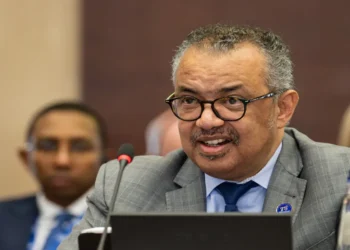
The World Health Organization declared the outbreak a public health emergency of international concern earlier this month after cases spread across parts of eastern Congo and into neighboring Uganda. WHO officials said the Bundibugyo strain poses additional challenges because there are currently no approved vaccines or targeted treatments available.
WHO data released May 17 showed hundreds of suspected infections and dozens of deaths across affected regions, though officials warned the true scale of the outbreak could be significantly larger because of limited surveillance and ongoing insecurity.
Aid workers in Bunia said the response has been hampered by funding shortages, violence from armed groups and distrust among local communities. Several treatment facilities and healthcare workers have already been attacked during the outbreak.
The humanitarian crisis in eastern Congo has displaced hundreds of thousands of people in recent years due to fighting involving multiple armed factions, including CODECO militias and the Allied Democratic Forces, an Islamic State-linked rebel group.



Health Infrastructure Under Severe Pressure
Local officials and humanitarian agencies said basic disease prevention measures remain difficult to implement in many camps because of shortages of water, hygiene products and medical equipment.
Reuters video reporting from another displacement camp in Bunia showed camp supervisors using megaphones to encourage residents to wash their hands with soap or ash amid growing fears over Ebola’s spread.
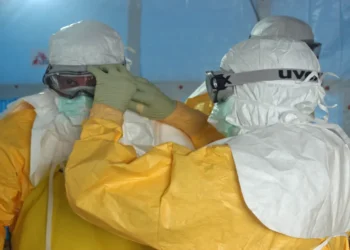
The outbreak has also increased pressure on Congo’s already fragile healthcare infrastructure. Medical workers have warned that many facilities lack protective equipment, isolation areas and sufficient staffing to manage rising case numbers safely.
International agencies are rushing supplies and personnel into the affected region, but humanitarian organizations say insecurity and logistical challenges continue to slow containment efforts.
Authorities have not publicly confirmed the full number of infections in displacement camps, and some details surrounding the spread of the disease remain unclear.